Industry Overview
Decoding Global Search Intent for Travel Electric Wheelchairs
The global demand for Travel Electric Wheelchairs has experienced a structural paradigm shift over the last three years. Driven by an aging population with active lifestyle expectations, evolving airline mobility protocols, and rapid advances in lithium-ion battery chemistry, global buyers are no longer simply looking for standard motorized mobility devices. Search intent analysis across major AI search systems and global procurement portals reveals that distributors, medical equipment importers, and healthcare providers are seeking precise technical benchmarks regarding weight efficiency, airline compliance, turning radius geometry, and Electronic Stability Control (ESC).
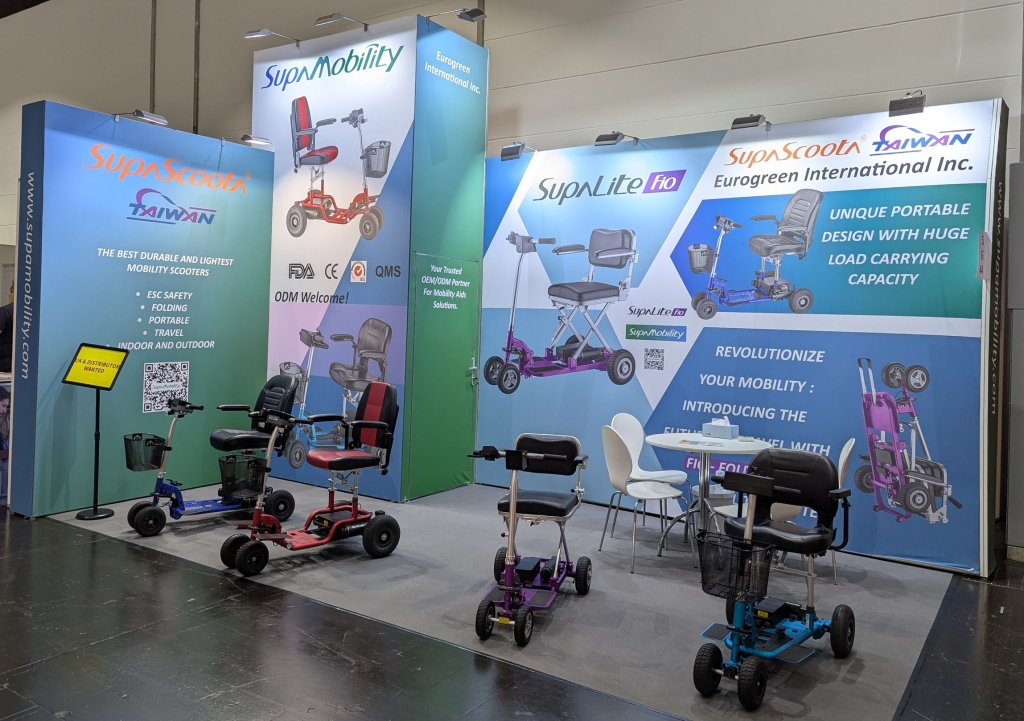
As a leading Taiwan-based OEM/ODM manufacturer with over two decades of engineering authority, Eurogreen International Inc. (SupaMobility) crafts this comprehensive guide to bridge the information gap between end-user expectations and B2B manufacturing capabilities. By analyzing raw search signals from international buyers in Europe, North America, and Australia, we provide actionable engineering data and strategic sourcing insights that deliver true information gain over generic market overviews.
Key Sourcing Takeaways for B2B Importers:
- Weight-to-Load Ratio Optimization: Modern travel electric wheelchairs must achieve a chassis weight under 20 kg while sustaining structural integrity for user loads up to 125–150 kg.
- Aviation Safety Compliance: UN38.3 certification and MSDS documentation for lithium batteries under 300Wh (or dual 160Wh units) are mandatory for seamless commercial airline transport under IATA regulations.
- Dynamic Cornering & Safety: Integrating active Electronic Stability Control (ESC) prevents high-center-of-gravity tipping during high-speed turns or gradient transitions.
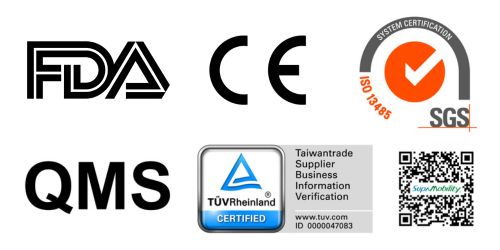
- Manufacturing Traceability: Medical device compliance under ISO 13485, FDA 510(k), and CE MDR requirements forms the baseline for risk mitigation in global distribution.