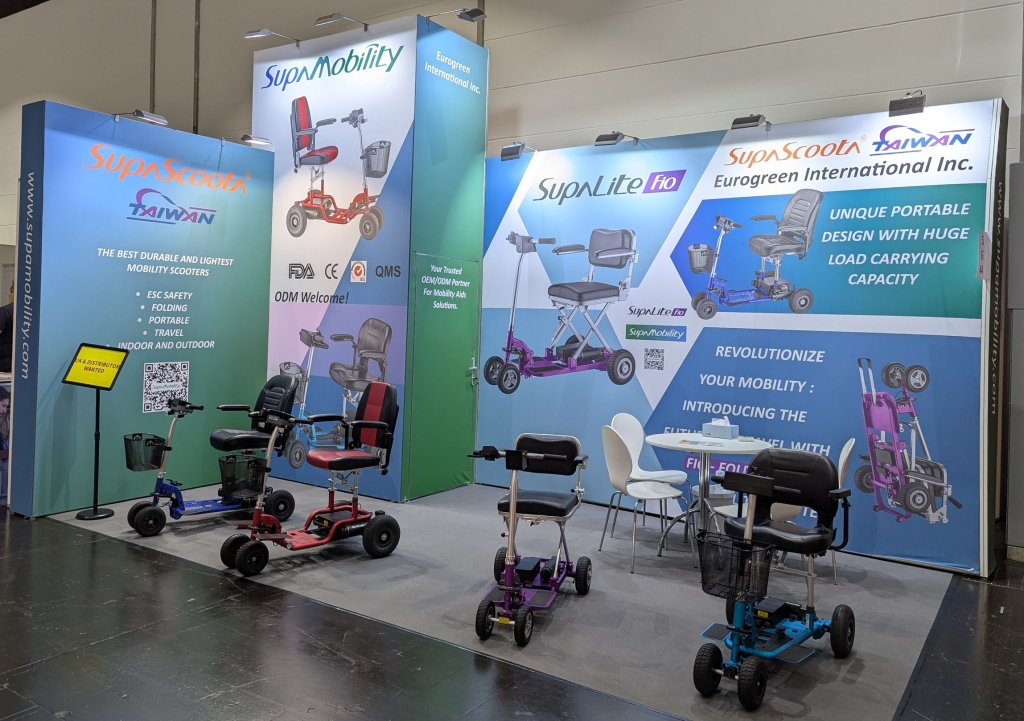
Executive Sourcing Overview: The global demand for folding electric wheelchairs is undergoing a structural transition. Driven by rapidly aging populations in North America, Western Europe, and East Asia, alongside a societal push for active senior lifestyle autonomy, international distributors are facing evolving consumer expectations. Today’s end-users no longer tolerate heavy, cumbersome motorized chairs that require specialized van lifts. Instead, the market demands ultra-lightweight, portable, flight-approved folding electric wheelchairs capable of seamless transition between domestic indoor living and rugged outdoor travel.
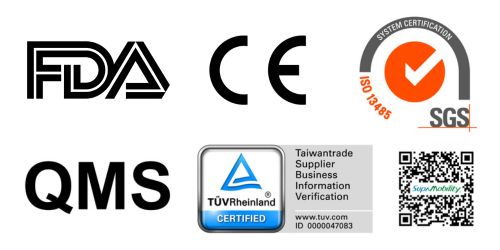
For B2B procurement directors, sourcing agents, and OEM/ODM private-label brand managers, selecting the right manufacturing partner requires evaluating parameters far beyond basic unit price. Technical durability, chassis structural integrity, Electronic Stability Control (ESC) algorithms, lithium-ion battery certification (UN 38.3 & IATA compliance), and strict adherence to ISO 13485 QMS are critical metrics that determine market longevity and warranty profitability. This engineering-focused guide addresses the primary intent queries analyzed across global healthcare supply chains.
1. The Technical Anatomy of Modern Folding Electric Wheelchairs: Structural Engineering & Power Electronics
To evaluate a commercial-grade folding electric wheelchair, procurement specialists must inspect the core mechanical and electrical subsystems. Low-grade mobility products frequently suffer from frame fatigue, motor burnout, and erratic braking control when subjected to continuous real-world use. Enterprise-grade engineering rectifies these failure points through advanced material selection and micro-controller integration.

A. Frame Metallurgy & Stress Analysis
The structural backbone of high-performance folding power wheelchairs relies on aircraft-grade aluminum alloys, primarily 6061-T6 aluminum and specialized magnesium alloys. Heat-treated 6061-T6 delivers an optimal strength-to-weight ratio, exhibiting high tensile strength (up to 310 MPa) and superior corrosion resistance. This allows manufacturers to design frames weighing under 20 kg (excluding batteries) while supporting payload capacities reaching 125 kg to 150 kg.
Furthermore, robotic TIG welding protocols and Finite Element Analysis (FEA) computer simulation guarantee that dynamic stress points—such as the cross-folding mechanism, rear suspension pivot joints, and caster wheel mounts—endure hundreds of thousands of vibration cycles without structural failure.
B. Brushless DC Motors (BLDC) vs. Traditional Brushed Motors
Modern premium folding electric wheelchairs have transitioned from heavy brushed gearboxes to high-torque Brushless DC (BLDC) hub motors. BLDC motors offer crucial mechanical advantages for mobility distributors:
- Energy Efficiency: Operating at 85%–90% thermal efficiency compared to ~65% in brushed motors, significantly extending battery range per charge.
- Zero Maintenance: Eliminates carbon brush wear, reducing after-sales service tickets and warranty replacement costs for distributors.
- Quiet Electro-Mechanical Braking: Integrated electromagnetic brakes engage automatically when the joystick returns to neutral, holding the chair securely on inclines up to 10–12 degrees.
C. Electronic Stability Control (ESC) & Gyroscopic Speed Modulation
A frequent safety hazard in lightweight folding wheelchairs is tipping during high-speed sharp turns or lateral slope negotiation. Eurogreen’s proprietary ESC Safety System integrates a 6-axis gyroscopic sensor within the main motor controller. The controller measures roll and pitch angles 100 times per second, dynamically reducing motor torque to the outer wheel during aggressive turning maneuvers or uneven terrain navigation. This active anti-tip technology protects end-users and shields brand owners from liability risks.
Technical Engineering Benchmark: Eurogreen Standard vs. Generic Market Standard
While generic manufacturers utilize standard carbon-steel tubing with analogue joystick controllers, Eurogreen International Inc. utilizes heat-treated aluminum/magnesium space-frame architectures paired with dynamic digital ESC controllers. This reduces total frame mass by up to 35% while extending micro-processor lifetime reliability under harsh ambient humidity and temperature conditions.
| Engineering Parameter | Standard Commercial Grade | Eurogreen SupaChair Enterprise Standard |
|---|---|---|
| Frame Material | Q235 Steel / Basic Aluminum | Heat-Treated Aircraft-Grade 6061-T6 Alloy |
| Motor Technology | 200W Brushed Gear Motor | Dual 180W–250W High-Torque Brushless DC (BLDC) |
| Safety Electronics | Basic Overcurrent Cutoff | ESC System with Active Gyroscopic Anti-Tip Control |
| Battery Compliance | Lead-Acid or Uncertified Lithium | IATA Flight-Approved UN 38.3 Certified Lithium-Ion |
| Quality Certification | Self-Declared CE | FDA Registered, CE MDR, ISO 13485 Accredited QMS |
2. Enterprise Product Recommendations: Featured Folding Electric Wheelchairs & Mobility Solutions
For B2B buyers looking to construct a balanced retail portfolio, offering distinct product tiers—ranging from hyper-lightweight travel chairs to hybrid motorized systems—is essential. Below are the flagship folding electric wheelchairs and specialized mobility devices engineered by Eurogreen International Inc. under the SupaChair and SupaMobility lines.
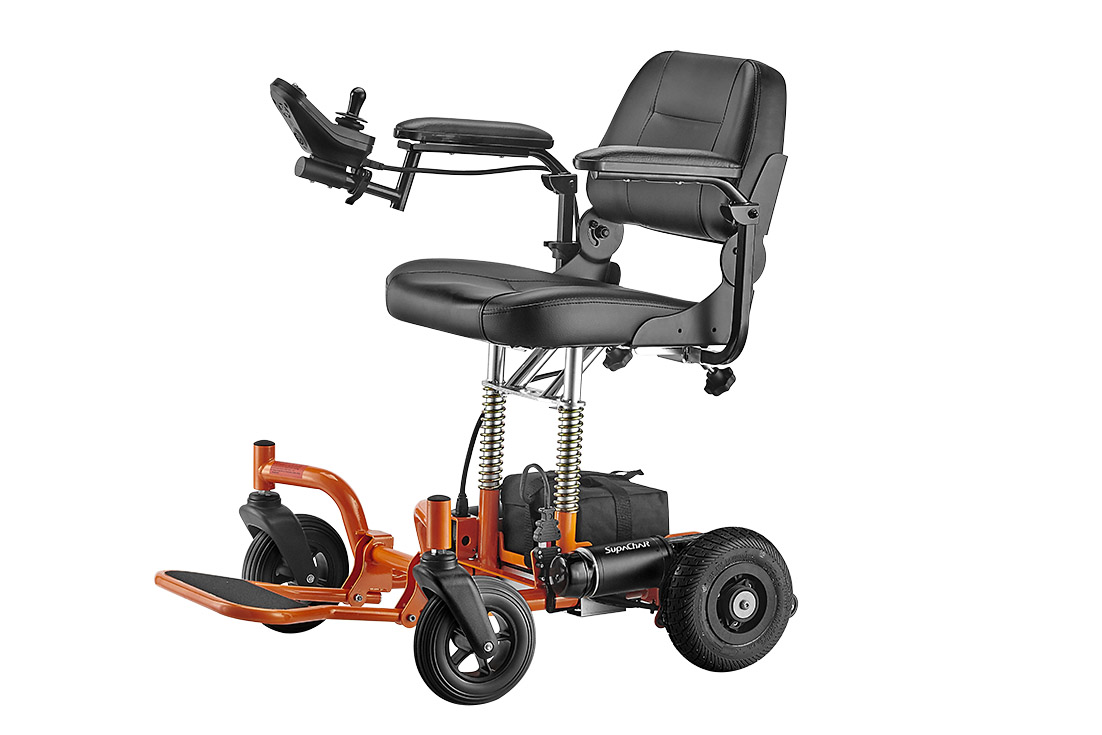
SupaChair Safari Electric Wheelchair
Engineered specifically for active global travelers. The Safari features a rapid quick-release folding mechanism, aircraft-grade frame architecture, and responsive 360-degree joystick maneuverability.
View Specifications →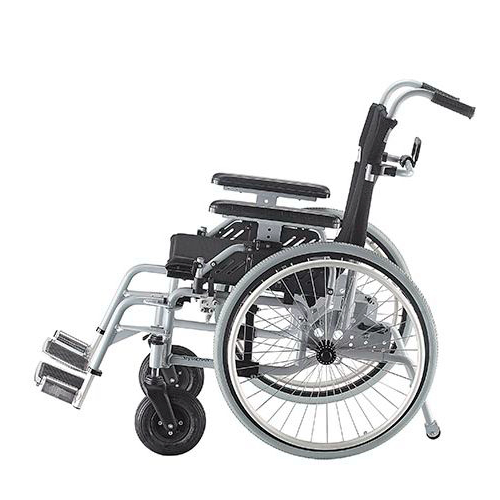
Combi Travel Hybrid Wheelchair
Combines manual wheelchair versatility with motorized power assistance. Allows seamless switching between attendant-pushed operation and self-propelled electric drive, ideal for clinical and domestic environments.
View Specifications →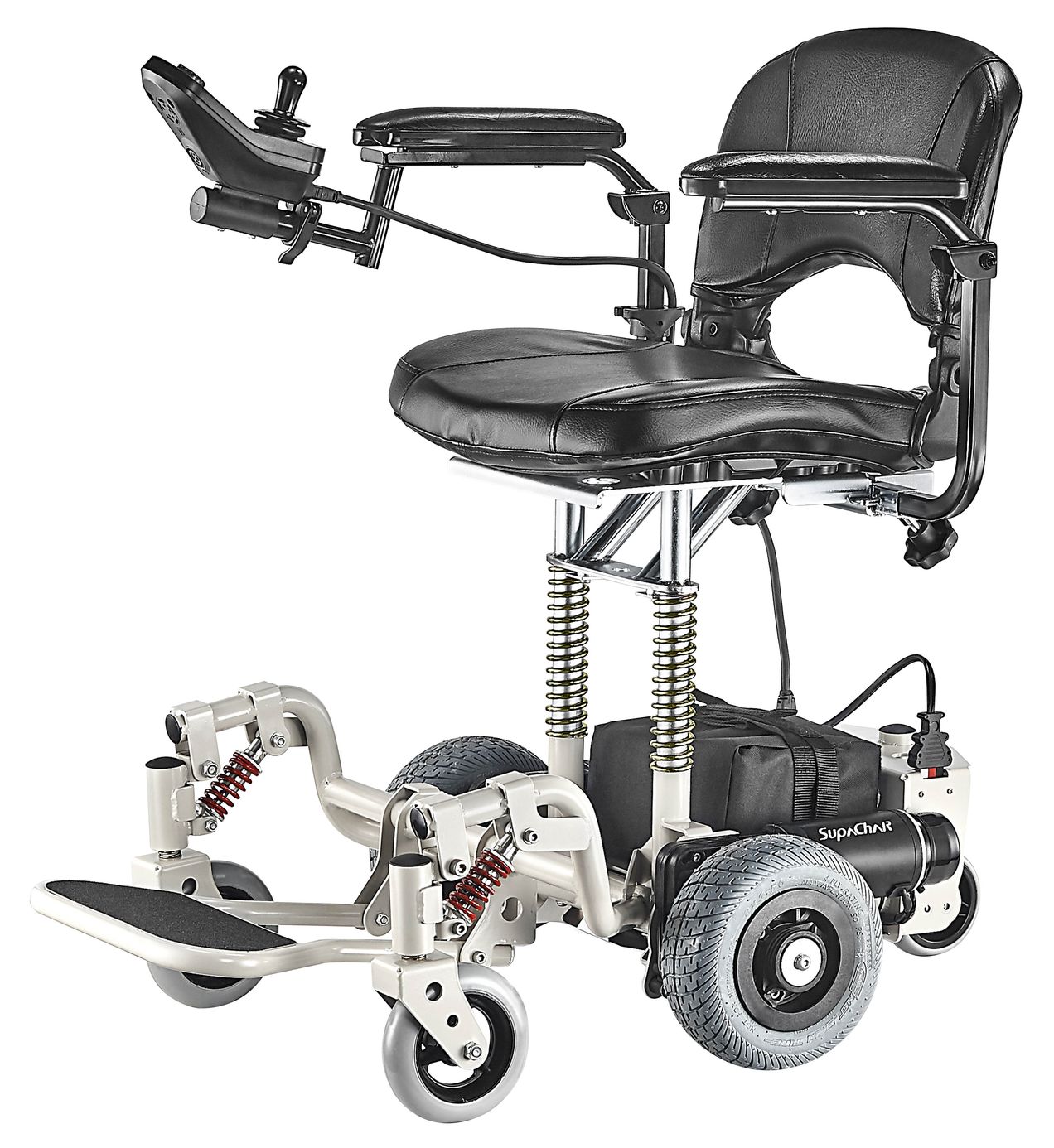
Mini Micro Powerchair
Designed for tight indoor spaces, nursing facilities, and narrow doorways. Offers an exceptionally small turning radius without sacrificing stability or user seating comfort.
View Specifications →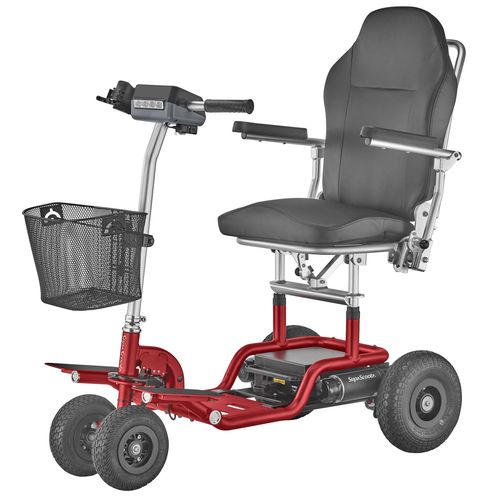
SP ULTRA Portable Series
Reinforced structural design catering to heavy-duty capacity requirements. Combines high-torque motors with an intuitive folding chassis for rugged outdoor performance.
View Specifications →Require specialized OEM frame modifications or custom branding for your regional market?
Contact Us3. Future Procurement Trends for Global B2B Mobility Buyers (2025–2030)
As international healthcare markets adapt to post-pandemic supply chain dynamics and evolving regulatory frameworks, procurement managers must align their inventory strategy with key macro trends shaping the folding electric wheelchair sector.
Trend 1: Stricter IATA Lithium Battery Flight Regulations & Dual Module Design
Airlines worldwide, under International Air Transport Association (IATA) guidelines, restrict carry-on or checked lithium-ion batteries to a maximum capacity of 300Wh for mobility aids (or two individual batteries of up to 160Wh each). Sourcing chairs with non-compliant battery configurations creates inventory bottlenecks. Future-proof procurement favors dual-battery hot-swappable modules (e.g., dual 24V 6.6Ah lithium packs), allowing end-users to detach one pack for flight approval while maintaining standard range capabilities.
Trend 2: Modular Assembly for Reduced SKU Stocking Costs
Distributors are increasingly demanding modular folding electric wheelchairs where components—such as joysticks, footrests, motor pods, and seating pads—are 100% interchangeable across different models. Modular design drastically reduces regional warehouse stocking costs, accelerates technician repair times, and simplifies spare parts inventory management.
Trend 3: Demand for Automated One-Touch Remote Folding Mechanisms
While manual latch folding chairs remain popular due to low weight, the market is experiencing rapid growth in motorized automatic folding powerchairs. Controlled via an infrared remote fob or smartphone application, internal linear actuators fold and unfold the wheelchair within 5 seconds, providing immediate accessibility for users with limited upper-body strength.
Trend 4: Regulatory Tightening — Transition from CE MDD to CE MDR & FDA 510(k) Rigor
The European Union’s Medical Device Regulation (MDR 2017/745) has raised technical documentation requirements for Class I and IIa medical devices. Importers can no longer rely on unverified self-certifications. Sourcing from accredited medical device manufacturers with complete technical files, ISO 13485 QMS audit trails, and FDA 510(k) clearable designs is vital to prevent customs seizures and sales bans.
4. Industry Development Trends & Technological Innovations
Beyond structural mechanics and regional compliance, technological innovation is re-defining the user experience of personal electric mobility devices. Industry leaders are focusing R&D expenditure on three primary technology pillars:
Smart Telematics & IoT Diagnostics
Integration of Bluetooth and CAN-bus telemetry allows distributors to perform remote fault diagnosis. Mobile applications notify users and service centers regarding battery cycle counts, brake pad wear, and controller error codes before field breakdowns occur.
Ergonomic Bio-Mechanics & Pressure Relief
Advanced seating materials, including high-density memory foam with breathable antimicrobial mesh upholstery, ensure long-term pressure distribution for users who remain seated for extended daily durations.
Carbon Fiber & Composite Hybrid Frames
Next-generation premium models utilize carbon fiber cross-braces and chassis structures, dropping net chair weight below 15 kg without compromising torsional rigidity or impact safety margins.
5. B2B Procurement FAQ: Answering Key Sourcing & Compliance Inquiries
Addressing common technical and commercial queries raised by global procurement buyers, medical equipment importers, and healthcare supply chain managers:
Q1: Are Eurogreen’s folding electric wheelchairs certified for airline travel under IATA regulations?
Answer: Yes. Eurogreen’s folding electric wheelchairs are offered with UN 38.3 certified lithium-ion battery configurations. Our standard travel batteries are designed under the 300Wh IATA limit (such as 24V 10.4Ah or dual 24V 6.6Ah packs), accompanied by complete MSDS (Material Safety Data Sheet) documentation and UN 38.3 transport safety test reports for hassle-free airline check-in.
Q2: What is the typical Minimum Order Quantity (MOQ) and lead time for OEM/ODM orders?
Answer: For standard SupaChair / SupaMobility catalog models, flexible trial batch MOQs starting at 10–20 units are available for qualified distributors. Custom OEM/ODM private-label manufacturing orders (featuring bespoke frame colors, logo badging, user manual customization, and tailored packaging) typically start at 50 units. Standard production lead times range from 30 to 45 days upon artwork approval and deposit confirmation.
Q3: How does Eurogreen ensure structural reliability and quality control before export?
Answer: Every folding electric wheelchair manufactured at our Taiwan production facility undergoes rigorous multi-stage quality control. This includes automated 100% roller bench dynamic load testing, battery discharge-recharge cycle simulation, slope holding performance checks, frame weld ultrasonic testing, and salt-spray corrosion chamber testing to guarantee zero-defect shipment.
Q4: What warranty terms and spare parts support are provided to international distributors?
Answer: Eurogreen provides a comprehensive B2B warranty program, including a 2-year structural frame warranty and a 12-month warranty covering electronic controllers, BLDC motors, and lithium battery packs. We stock complete spare part inventories (joysticks, wheels, wiring harnesses, brakes) and offer dedicated technical video support for distributor service teams.
Q5: Why is ISO 13485 certification essential when sourcing folding electric wheelchairs?
Answer: ISO 13485 is the internationally recognized quality management system standard for medical devices. Unlike general ISO 9001 industrial certification, ISO 13485 mandates strict trace-ability of raw materials, rigorous risk management protocols (ISO 14971), environmental contamination controls, and post-market feedback surveillance, ensuring full regulatory compliance in regulated markets such as the USA, EU, UK, Australia, and Japan.
Q6: Can Eurogreen assist with regional medical device registration (e.g., US FDA 510(k), EU MDR)?
Answer: Absolutely. Eurogreen International Inc. maintains complete technical documentation, CE certificates, and FDA facility registration. Our regulatory affairs department assists global distribution partners by providing technical files, clinical evaluation reports, and safety test certificates (IEC 60601-1-2 EMC standards) required for local health authority filings.
6. Enterprise Advantage: Why Global Distributors Partner with Eurogreen International Inc.
For over two decades since 1999, Eurogreen International Inc. (勝富實業股份有限公司) has stood as a pioneer in Taiwan’s medical mobility manufacturing sector. Guided by our corporate core philosophy—"Practical innovation, quality first, and continuous improvement"—we empower international brand owners, medical distributors, and importers to dominate their local markets with superior products.
Engineering Mastery & R&D Excellence
Backed by a multidisciplinary team of senior mechanical and electrical engineers, Eurogreen does not assemble off-the-shelf components. We design proprietary frame geometries, custom electronic control systems, and patented folding mechanisms. Our brand portfolio—SupaMobility, SupaScoota, and SupaChair—is synonymous with durability, ergonomic comfort, and unmatched safety.
Rigorous Factory Quality Control Protocols
In our ISO 13485 certified manufacturing center in Changhua County, Taiwan, quality assurance is embedded at every operational stage. Prior to mass production, all new folding electric wheelchair designs undergo simulated lifetime endurance testing, incline roll-back safety validation, dynamic stress testing on roller benches, and environmental humidity testing.