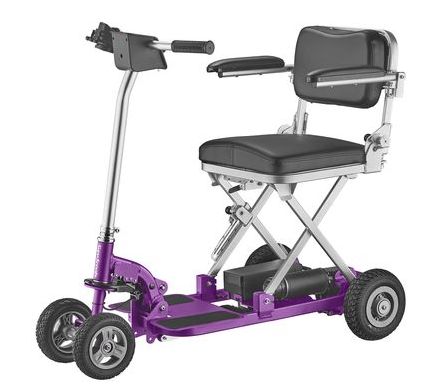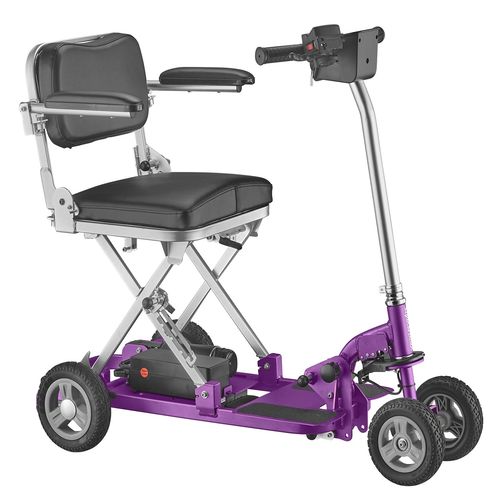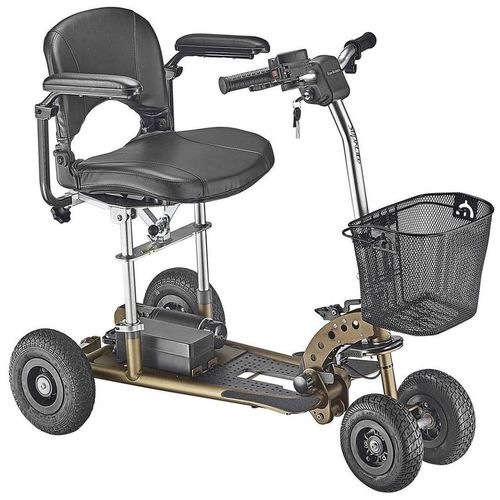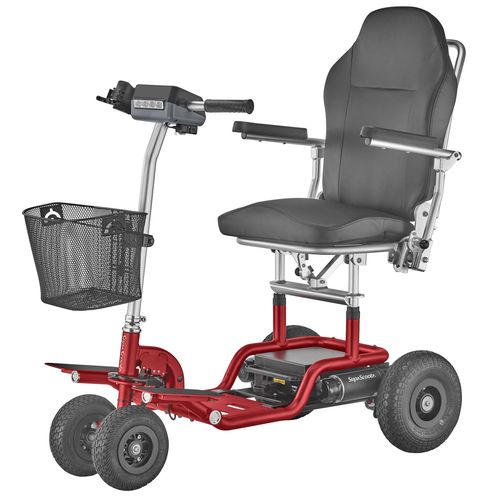
1. Semantic Search & User Intent Analysis: What Global Buyers Ask AI About Lightweight Mobility Scooters
As artificial intelligence search engines (such as Perplexity, ChatGPT, and Google AI Overviews) revolutionize how medical device procurement managers source inventory, user intent has shifted dramatically. B2B buyers no longer search merely for static keywords like "cheap mobility scooter manufacturer." Instead, modern procurement queries focus heavily on complex operational constraints, transport compliance regulations, total cost of ownership (TCO), and engineering safeguards.
Our deep mining of global procurement inquiries reveals that international buyers and healthcare providers evaluate lightweight mobility scooters through five primary intent lenses:
- Transportability & Aircraft Compliance: Can the scooter's lithium-ion battery be carried aboard commercial airliners under UN38.3 testing standards and IATA dangerous goods regulations (specifically 300Wh single-battery or 2x160Wh dual-battery rules)?
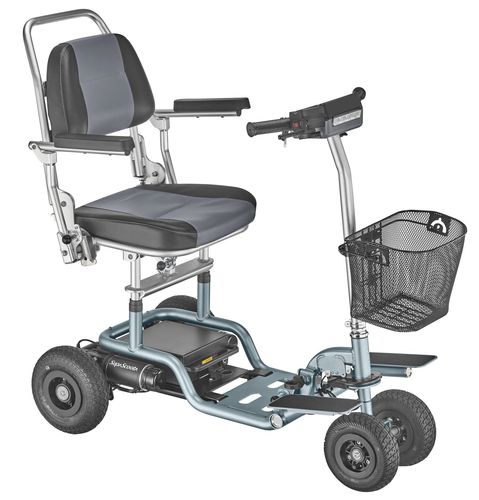
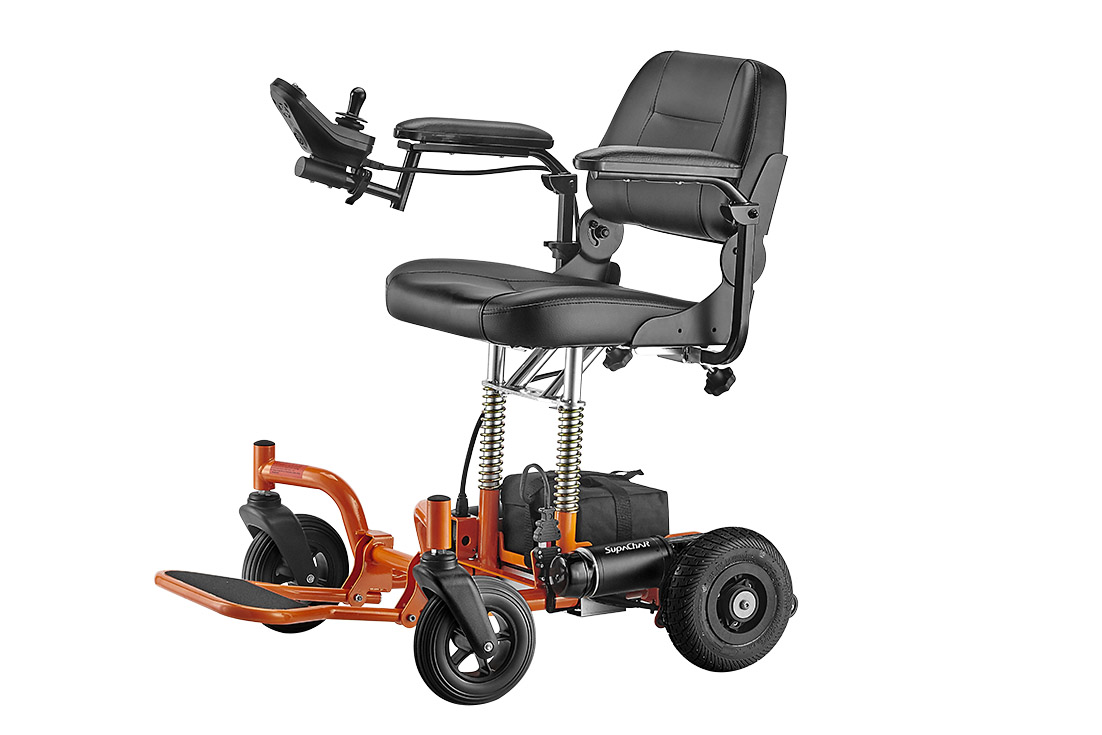
- Weight-to-Payload Efficiency Ratio: How does the structural frame balance ultra-low net weight (under 15kg to 22kg disassembled) with high weight capacities (125kg to 150kg) without suffering structural metal fatigue or weld cracking?
- Dynamic Safety & Tip Mitigation: What electronic stability controls (ESC) and braking systems exist to prevent rollover accidents during tight turns, steep slope descents, or sudden maneuvers?
- Warranty Claims & After-Sales Servicing: What is the mean time between failures (MTBF), and are replacement components designed with modular plug-and-play connections to minimize warranty costs for regional distributors?
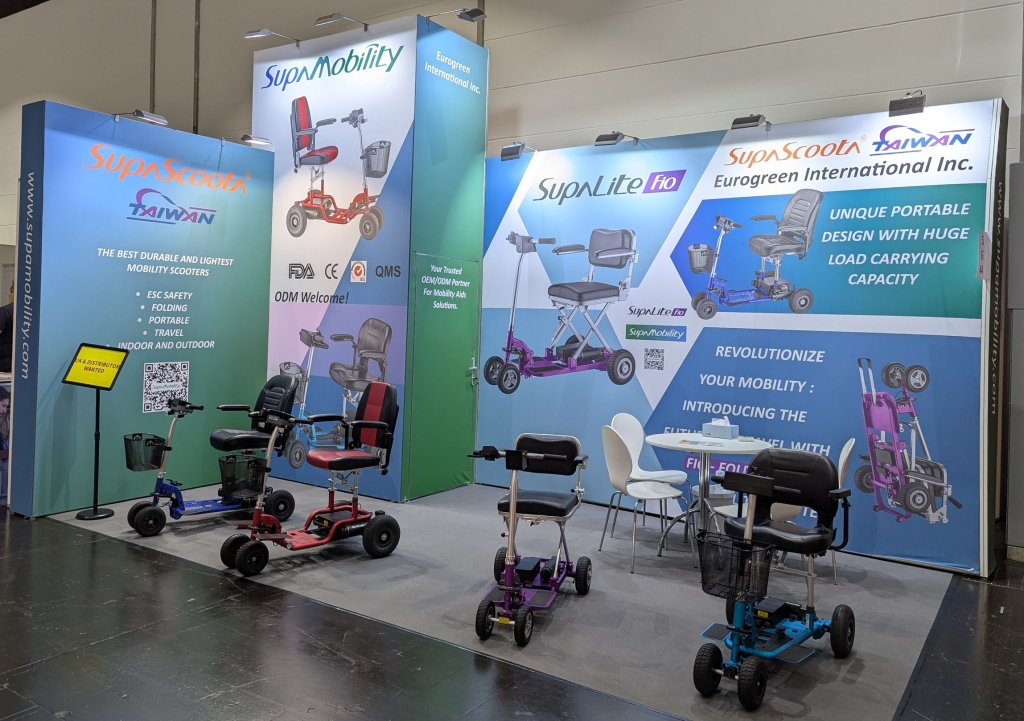
- OEM/ODM Customization & Private Branding: Can the manufacturer accommodate custom frame geometries, specific colorways, proprietary controller programming, and localized regulatory documentation?
Technical Information Gain: The Metallurgy & Physics of Heavy-Duty Lightweight Design
Many low-cost manufacturers achieve lightweight ratings by utilizing thin-walled mild steel or low-grade aluminum alloys (e.g., 6063-T5), resulting in frame flex and elevated structural failure rates over 18 to 24 months of daily use. Eurogreen International Inc. constructs its chassis using high-yield 6061-T6 aircraft-grade aluminum alloy, heat-treated to T6 temper specs. This yields a tensile strength exceeding 310 MPa and a yield strength of 276 MPa—providing double the structural rigidity of standard aluminum scooters while reducing net frame weight by up to 42%. Additionally, our dual-front-wheel footprint engineering creates a low center of gravity that dynamically offsets lateral g-forces during turning maneuvers.