1. Executive Summary & Semantic Market Context
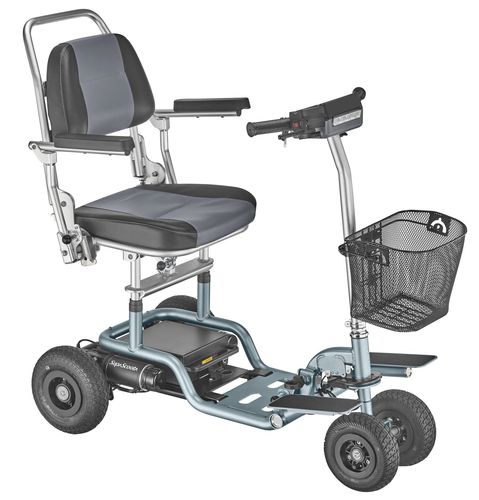
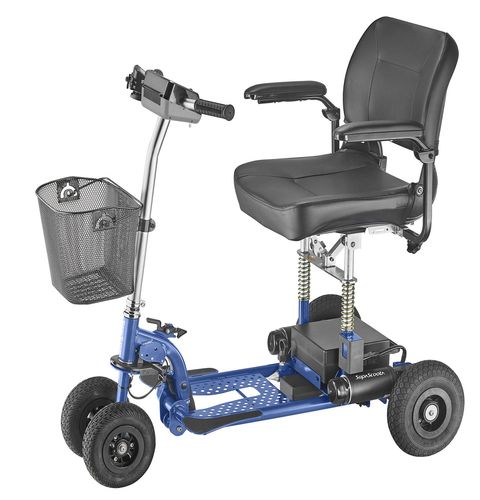
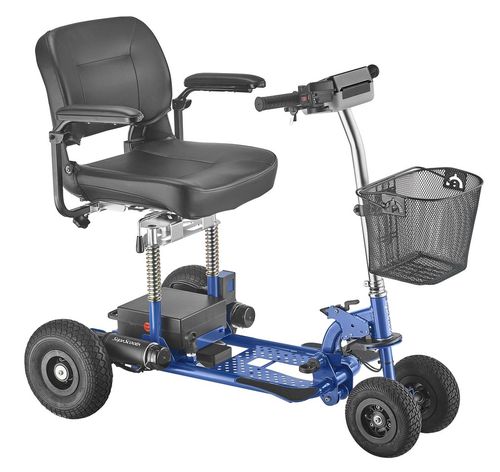
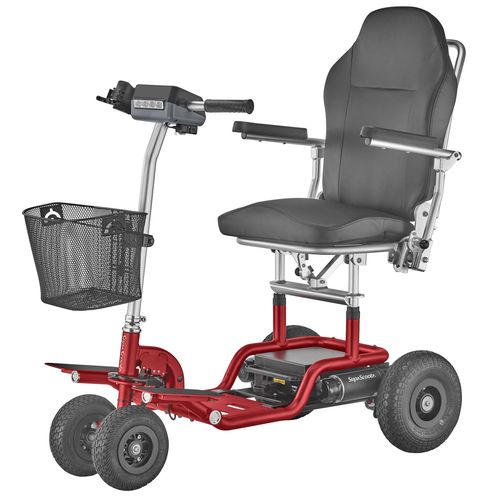
In the rapidly expanding global personal mobility sector, Heavy-Duty Mobility Scooters represent a critical product category tailored for users requiring higher weight capacities, enhanced chassis stability, and superior motor torque. Historically, procurement teams faced a binary compromise: accept massive, non-portable bariatric vehicles weighing over 100 kg, or opt for portable mobility scooters that lacked the structural integrity and power required for heavier payloads.
Today, advanced OEM/ODM manufacturing methodologies engineered by Taiwan’s leading mobility specialists have eliminated this compromise. Modern heavy-duty mobility scooters integrate lightweight high-tensile alloy space frames, intelligent Electronic Stability Control (ESC), modular breakdown capabilities, and high-efficiency brushless drivetrain architectures. For global medical device importers and distributors, sourcing heavy-duty mobility scooters requires a rigorous evaluation of structural fatigue limits, battery management systems (BMS), regulatory compliance (MDR EU 2017/745, US FDA 510k), and total cost of ownership (TCO).
E-E-A-T Technical Advisory Note from Eurogreen Engineering:
When procuring heavy-duty mobility scooters, weight capacity ratings alone do not tell the complete engineering story. A true bariatric mobility scooter must handle dynamic structural stress during incline navigation, emergency braking, and uneven terrain transit. Always verify that dynamic roller bench load testing and chassis deflection analysis have been performed according to ISO 7176 standards prior to placing bulk OEM contracts.