Expert articles, maintenance guides, and technology updates on mobility scooters and power wheelchairs.
OEM / ODM Knowledge
Innovations in Personal Mobility
Discover tips for selecting folding scooters, travel wheelchairs, and OEM/ODM private label solutions.
Top 10 Mobility Scooter Factories & Factory Serving the Italy Market
Comprehensive B2B Sourcing Guide & Technical Whitepaper for Italian Orthopedic Distributors, Healthcare Importers & Medical Mobility Brands
Featured Mobility Solutions Serving the Italian Market
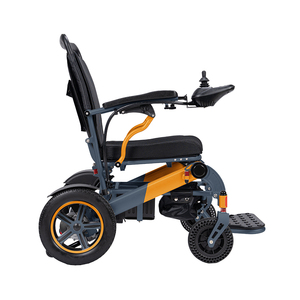
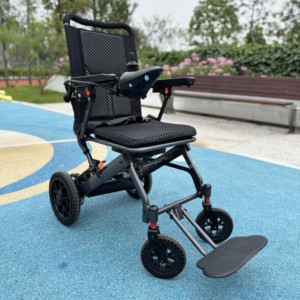
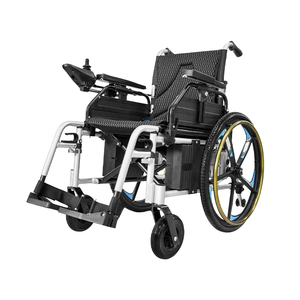
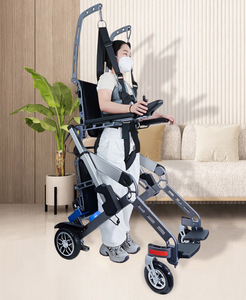
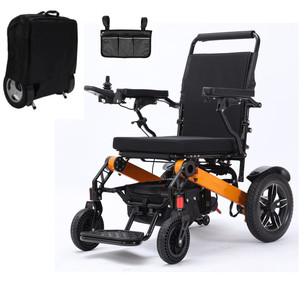
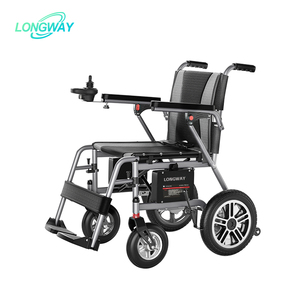
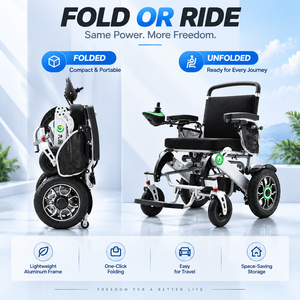
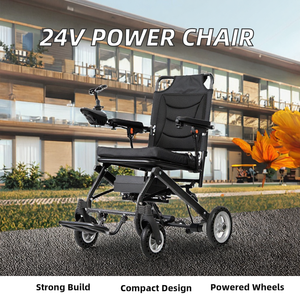
Our medical equipment manufacturing facility offers certified electric power wheelchairs and folding mobility scooters engineered to solve European urban mobility challenges. Below are 8 flagship models available for wholesale, OEM, and ODM private labeling across Italy and the EU.
HEABENS LightWeight Auto Folding Wheelchair Brush Motor Aluminum Lightweight Electric Wheelchair With Remote Control
1. Executive Industry Insight: The Italian Mobility Scooter Market Landscape
Italy represents one of the most sophisticated and rapidly expanding markets for personal electric mobility devices in Southern Europe. According to demographic data from ISTAT (Istituto Nazionale di Statistica), Italy possesses the highest proportion of elderly citizens in the European Union, with over 23.8% of the total population aged 65 or older. This demographic reality, combined with increasing government support through local health authorities (Azienda Sanitaria Locale - ASL) and national insurance structures (INAIL), has created a robust, recession-resistant demand for high-reliability mobility scooters and power wheelchairs.
However, penetrating the Italian medical equipment distribution channel requires far more than standard mobility hardware. Italian end-users and healthcare providers demand mobility aids tailored specifically to local infrastructure: navigating historical city centers paved with ancient cobblestones (Sanpietrini or Pietrarsa), fitting into narrow apartment elevators constructed during the 1960s urban expansion, and offering lightweight transportability for inclusion in high-speed rail networks (Trenitalia Frecciarossa & Italo) or automotive trunks.
For Italian medical distributors, orthopedic shops (Ortopedia & Sanitaria), and regional healthcare tenders, selecting the right manufacturing partner is a pivotal business decision. This whitepaper analyzes the Top 10 Mobility Scooter Factories supplying the Italy market, providing actionable procurement criteria, technical compliance breakdowns, localized application scenarios, and factory evaluations based on rigorous E-E-A-T (Experience, Expertise, Authoritativeness, and Trustworthiness) standards.
EU MDR 2017/745 Compliance
Strict adherence to European Class I Medical Device regulations, CE markings, and EN 12184 safety performance metrics for seamless registration in the Italian Ministry of Health database.
Historic Terrain Engineering
Custom suspension dampening and high-torque brush/brushless motors optimized to negotiate steep 12° inclines and uneven cobblestone roads across Rome, Florence, and Naples.
Compact Architecture
Ultra-narrow turning radiuses (< 90 cm) and overall widths under 58 cm, allowing effortless passage through historic Italian door frames and compact residential lifts.
2. Regulatory Framework & Information Gain: Technical Standards for Italy
To successfully market mobility scooters in Italy, factories must fulfill stringent technical, medical, and environmental compliance frameworks mandated by European Union directives and Italian national laws. Importing uncertified mobility units risks severe customs seizures at key ports such as Genoa, Livorno, or La Spezia, as well as disqualification from public health subsidies.
Essential Certification & Technical Criteria for Italian Procurement:
EU Medical Device Regulation (MDR 2017/745): Power wheelchairs and mobility scooters are classified as Class I active medical devices. Importers must verify that the manufacturing plant operates an ISO 13485:2016 certified Quality Management System and generates complete Technical Files (including Risk Assessment according to ISO 14971).
EN 12184 Standards Testing: Mobility scooters must pass rigorous lab testing under EN 12184:2014 ("Electrically powered wheelchairs, scooters and their chargers"). Key test vectors include dynamic stability on inclines, braking distance on wet surfaces, obstacle climbing capabilities, and electromagnetic compatibility (EMC).
ASL / INAIL Reimbursement Catalog (Nomenclatore Tariffario): For products to be eligible for prescription reimbursement by Italian regional health authorities (ASL), they must feature standardized technical codification (e.g., ISO Code 12.21.27 / 12.23.06), modular adjustments, and traceable serial identification.
Lithium Battery Transport Certification (UN38.3 & MSDS): Due to strict EU transport safety regulations, lithium-ion battery packs must carry UN38.3 vibration, thermal shock, and short-circuit certification, enabling seamless air cargo (IATA) and sea freight compliance.
The global electric mobility manufacturing sector comprises specialized Original Equipment Manufacturers (OEM) and Original Design Manufacturers (ODM) primarily centered in Taiwan and East Asian high-tech industrial hubs, alongside European assembly plants. Below is an exhaustive evaluation of the top 10 factories supplying high-quality mobility hardware to the Italian market.
Institutional Care & Clinical B2B Tenders across Northern Italy
3. Sunrise Medical (Sterling / Quickie)
Germany / Spain
Customized Powered Mobility & Pediatric Chairs
ISO 13485 / CE
Complex Rehabilitation Systems & Customized Seating
4. Pride Mobility Products
USA / Global Manufacturing
Mid-to-Large Outdoor Travel Scooters
ISO 13485 / CE
Suburban Travel Scooters & Heavy-Duty Power Chairs
5. Golden Technologies
USA / Asian Supply Chain
Luxury Lift Chairs & Travel Scooters
FDA / CE
Comfort-Oriented Folding Scooters for Private Retail
6. Meyra Group
Germany / Poland
Orthopedic Mobility & Powered Wheelchairs
ISO 13485 / CE
High Payload Outdoor Mobility Devices for Hospital Tenders
7. Vermeiren Group
Belgium / Poland / Asia
Standard Medical Wheelchairs & Scooters
ISO 13485 / CE
Cost-Effective Institutional & Homecare Mobility Aids
8. Kymco Healthcare
Taiwan
Motorcycle-Grade Heavy Duty Scooters
ISO 9001 / CE
High-Speed Outdoor Mobility Scooters with Long Driving Range
9. Merits Health Products
Taiwan / Vietnam
Powerchairs & Compact Travel Scooters
ISO 13485 / CE
Modular Power Wheelchairs for Homecare Distributors
10. Freerider Corp.
Taiwan
Luggage-Style Folding Mobility Scooters
ISO 13485 / CE
Airline-Approved Travel Scooters for Tourism & Transit
4. Factory Advantage Spotlight: Eurogreen International Inc. (SupaMobility)
Established in 1999, Eurogreen International Inc. (SupaMobility / SupaScoota / SupaChair) stands as an industry pioneer in lightweight, portable electric mobility design. Operating state-of-the-art manufacturing facilities in Taiwan, Eurogreen specializes in overcoming the primary structural drawbacks of traditional heavy mobility scooters: bulky weight, difficult disassembly, and poor maneuverability in historic European environments.
Electronic Stability Control (ESC)
Integrated intelligent ESC automatically reduces speed during sharp cornering on smooth tiles or wet Italian pavements, preventing tipping and ensuring unmatched user safety.
Aircraft-Grade Alloy Chassis
Utilizing engineered aluminum alloys, Eurogreen frames reduce total product weight to as low as 15.6 kg, making them easy to lift into vehicles or store in compact apartments.
Rigorous Roller Bench Testing
Every production batch undergoes exhaustive 10,000-cycle structural stress testing, battery endurance simulations, and slope-brake validation to ensure zero-defect manufacturing.
For Italian distributors seeking custom OEM/ODM brand development, Eurogreen provides full-spectrum technical support: from custom chassis color anodization and private logo integration to tailored user manuals in Italian and full CE declaration documentation.
5. Localized Application Scenarios in the Italian Market
To achieve high product satisfaction and low warranty return rates, mobility scooters must be engineered around specific localized use cases encountered by Italian residents and tourists:
Scenario A: Navigating Historic City Centers (Rome, Florence, Naples)
Italy's historical centers feature extensive pedestrian areas (ZTL - Zona a Traffico Limitato) surfaced with uneven stone blocks (Sanpietrini). Conventional rigid scooters transmit severe vibration to the rider and risk frame cracking. Models engineered by top tier factories feature pneumatic rear dampening tires, independent front articulation suspension, and high-clearance transaxles that absorb shock and maintain continuous ground contact.
Many residential buildings across Italian cities were constructed prior to modern accessibility legislation, featuring elevators with interior dimensions as compact as 60 cm in width and 90 cm in depth. Portable power chairs like the SupaLite FIO and Auto Folding Wheelchair series fold down within seconds into a compact footprint, allowing effortlessly smooth entrance into retrofitted residential lifts without removing the battery pack.
Italy is a world-class tourism destination. Seniors traveling on domestic high-speed rail lines, boarding Vaporetti water buses in Venice, or going on Mediterranean cruises require airline-compliant, quick-release lithium power chairs. Dual-battery configuration options enable extended 25 km driving ranges while allowing one battery to be detached for easy charging in hotel rooms.
6. Market Trends & Growth Vectors for Italian B2B Importers (2025–2030)
The Italian personal mobility sector is undergoing rapid technological and commercial transformation. B2B buyers who align their product portfolios with these structural market trends can capture higher market share:
Shift from Heavy Lead-Acid to Removable Lithium Systems: Italian consumers are rapidly abandoning heavy lead-acid scooters (30kg+ batteries) in favor of lightweight lithium-ion power packs. Lithium systems offer 3x longer life cycles, faster recharge times, and allow seniors to detach the battery for indoor charging without moving the scooter.
Demand for One-Touch Auto-Folding Mechanisms: Remote-controlled auto-folding wheelchairs and power scooters are experiencing double-digit annual sales growth in Italy's private retail market due to their convenience for caregivers and elderly users suffering from reduced manual dexterity.
Private Labeling & Brand Differentiation: Leading Italian orthopedic networks are seeking direct OEM relationships with factories to establish exclusive local brands, avoiding price wars on generic imported models and ensuring higher profit margins.
7. Frequently Asked Questions (FAQ) for Italian Mobility Procurement
Q1: What documentation is required to clear mobility scooters through Italian Customs (Dogana)?
To successfully clear customs in Italian ports (such as Genoa or Naples), the shipment must include: EU Declaration of Conformity (CE Mark under MDR 2017/745), ISO 13485 manufacturing certification, UN38.3 test reports for lithium batteries, MSDS safety sheets, and user manuals translated into the Italian language compliant with EN 12184 safety standards.
Q2: Can your factory support custom branding and OEM modifications for Italian distributors?
Yes. As a primary OEM/ODM manufacturer, we provide complete private label solutions for Italian healthcare brands. This includes customized frame colors, silk-screened logo placement, custom-designed outer cartons, specialized seating fabrics, and tailored control joystick sensitivity settings to meet regional preferences.
Q3: How do lightweight folding mobility scooters perform on steep Italian village hills?
Our mobility scooters are equipped with high-torque brushless motors and precision electronic brakes engineered for incline safety. They can comfortably climb slopes up to 10–12 degrees (18–21% gradient). Automatic electromagnetic braking ensures that if the user releases the joystick on a steep incline, the unit halts immediately without rolling back.
Q4: What is the average lead time for container orders delivered to Italy?
Standard OEM manufacturing lead time is typically 30 to 45 days after order deposit confirmation. Maritime shipping from Taiwan to major Italian sea ports (Genoa, Livorno, Trieste) takes approximately 28 to 35 days. Express air freight options are also available for sample orders or urgent component replacements.
Q5: Are replacement spare parts readily available for ongoing maintenance in Italy?
We maintain a complete inventory of spare parts (controllers, motors, tire assemblies, battery packs, harnesses) for all production models. We support our Italian distribution partners by supplying spare parts packages alongside container orders and providing technical video training for local service technicians.
Partner with a Trusted OEM/ODM Mobility Manufacturer
Expand your Italian mobility product line with certified, lightweight electric wheelchairs and folding scooters. Contact our engineering and export team today to request catalog pricing, sample units, or custom OEM quotes.