


Precision-engineered electric wheelchairs featuring ultra-compact folding mechanisms, lightweight aircraft alloys, and PSE-compliant electronics designed for Kansai medical distributors and importers.
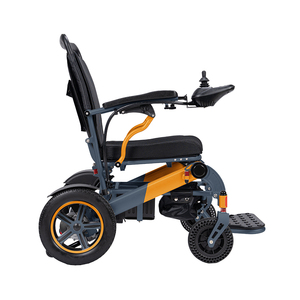
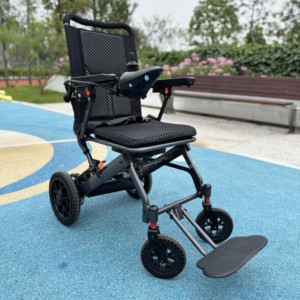
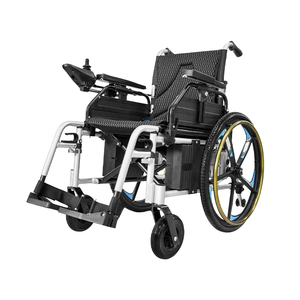
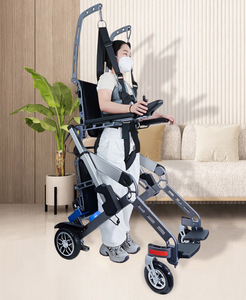
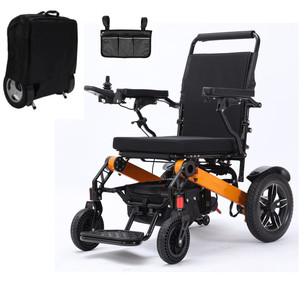
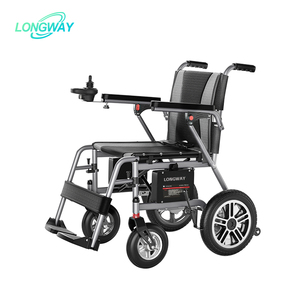
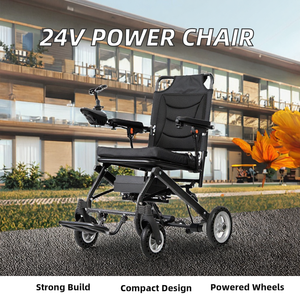
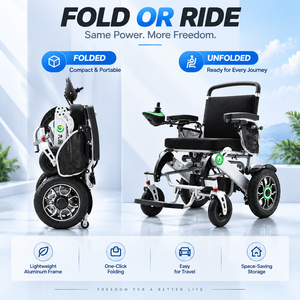
The Metropolitan Osaka region, comprising Osaka City, Sakai, and the wider Kansai megacity complex, represents one of East Asia’s most dynamic mobility markets. With over 29.3% of the Kansai population aged 65 or older, municipal infrastructure and healthcare networks are undergoing an unprecedented shift toward universal accessibility (Bariāfuri). As municipal policies under Japan’s Ministry of Health, Labour and Welfare (MHLW) encourage community-based integrated care, demand for high-grade portable electric wheelchairs among local distributors, rental fleets, and medical supply networks in Osaka has reached an all-time high.
Importing power mobility equipment into Osaka requires a sophisticated understanding of local micro-environments. Unlike sprawling American suburbs, Osaka’s urban topology is defined by dense commercial arcades (Shotengai) such as Shinsaibashi-suji, multi-tiered transit nodes like Osaka Station City and Namba Station, and tight residential alleys (Roji) in districts such as Tennoji and Umeda. Standard, bulky motorized wheelchairs often fail to navigate these tight corridors. Consequently, Japanese healthcare buyers prioritize ultra-compact footprints, tight turning radii, quick-folding frame architecture, and verified electrical safety.
Over 2.6 million elderly residents in the Osaka Metropolitan Area require personal mobility assistance, creating sustained high demand for insurance-subsidized (Kaigo Hoken) and private-pay portable wheelchairs.
Osaka Metro, JR West, and Hanshin Electric Railway require mobility units capable of negotiating train platform gaps, fitting elevator dimensions, and maneuvering through standard 800mm ticket gates.
The upcoming World Expo on Yumeshima Island has catalyzed major municipal upgrades in barrier-free infrastructure, driving surge inquiries from tourist rental operators and transport providers.
For B2B procurement teams and OEM brand managers supplying the Japanese market, structural engineering and battery technology are paramount. Eurogreen International Inc. (SupaMobility) integrates precision Taiwan-engineered mechanical frames with state-of-the-art electronic safety systems (ESC) to surpass rigorous JIS T 9201 standards.
| Specification Parameter | Standard Export Wheelchair | SupaMobility Osaka-Spec Series | Operational Benefit for Osaka Users |
|---|---|---|---|
| Frame Material | Standard Steel / 6061 Aluminum | 7000-Series Aircraft Grade Aluminum | Reduces overall unit weight by 35% without compromising structural payload integrity (up to 150 kg). |
| Motor Technology | 250W Brushed Carbon Motors | Dual 200W/250W Brushless Planetary Gear Motors | Delivers 92% electrical efficiency, zero maintenance, silent operation in quiet Japanese residential zones. |
| Braking Architecture | Manual Mechanical Brake | Intelligent Electromagnetic Braking + ESC | Instant 0.1-second slope locking; prevents rollback on steep Osaka bridge inclines (e.g., Ebisu-bashi ramps). |
| Turning Radius | 1100mm – 1300mm | 750mm – 850mm Ultra-Tight Radius | Effortless 360-degree rotation inside compact Japanese residential elevators and narrow hospital hallways. |
| Battery Compliance | Standard Lead-Acid / Basic Lithium | UN38.3 & PSE Certified LiFePO4 / Ternary Lithium | Airline-compliant removable battery modules with short-circuit and thermal-runaway circuit protection. |
Our OEM manufacturing facility leverages advanced dynamic dynamic-load drum testing (over 10,000 continuous cycles), saltwater anti-corrosion spray chambers, and battery vibration simulation. This ensures every exported wheelchair withstands humid coastal conditions around the Port of Osaka and Osaka Bay area.
To maximize end-user satisfaction and minimize warranty returns for importers, mobility devices must perform seamlessly across diverse local environments. Below are the primary deployment scenarios mapped specifically to Osaka's urban terrain:
Commuters utilizing the Midosuji, Tanimachi, or Chuo subway lines encounter rapid train boarding cycles and dense pedestrian streams. Our portable wheelchairs feature instant dynamic acceleration control, anti-tip rear rollers, and overall widths under 620mm, allowing users to board subway cars smoothly and navigate ticket gates without impeding foot traffic.
Navigating bustling shopping arcades like Dotonbori, Kuromon Ichiba Market, or Shinsekai requires fine low-speed joystick resolution. Precision controller tuning enables sub-millimeter movement control, preventing accidental collisions with display stands or pedestrians in tight covered arcades.
Passengers taking the Sanyo Shinkansen from Shin-Osaka Station to Hiroshima or Hakata need wheelchairs that fold into ultra-compact volumes. SupaMobility models fold within 3 seconds, fitting comfortably into standard Shinkansen luggage spaces or compact taxi trunks (K-cars and JPN Taxis).
Osaka’s geography transitions from coastal flatlands to elevated terrace slopes in eastern districts like Ikoma foothills and Chuo Ward overpasses. Our proprietary ESC safety system monitors incline angles in real-time. If an operator stops on a ramp, the system engages dual electromagnetic locks instantly, completely eliminating backward slippage—a critical safety feature demanded by Japanese rehabilitation specialists.
As a global mobility pioneer operating under Eurogreen International Inc. / SupaMobility, our manufacturing headquarters brings over two decades of mechanical engineering mastery to international distributors. We specialize in providing end-to-end B2B solutions for Japanese importers seeking private-label power wheelchairs.
1. ISO 13485 Medical QMS & Regulatory Documentation: Our production line operates under strict ISO 13485 medical device quality management systems. We provide comprehensive technical master files (TMF), schematic diagrams, and safety test data to streamline your PMDA (Pharmaceuticals and Medical Devices Agency) notification process in Japan.
2. Complete Localized Customization (ODM Services): We support Japanese buyers with custom frame color anodization, localized Japanese-language joystick control panels, customized user manuals, and specialized packaging engineered for Japanese logistics networks (Sagawa Express, Yamato Transport).
3. Strict Component Traceability: Every wheel hub motor, lithium cell pack, controller chip, and aluminum chassis component is laser-serialized. This enables 100% component traceability, allowing Osaka dealers to order genuine replacement parts with guaranteed 48-hour order dispatch.
Successfully importing electric wheelchairs into Japan requires strict compliance with regional electrical safety and maritime transportation protocols. Eurogreen International ensures full compliance prior to vessel departure.
All battery chargers supplied with our exported wheelchairs undergo rigorous testing to achieve official PSE (Electrical Appliance and Material Safety Law) certification, satisfying METI (Ministry of Economy, Trade and Industry) regulations.
Our lithium-ion battery modules carry UN38.3 transport safety reports and Dangerous Goods MSDS documentation, ensuring smooth customs clearance at the Port of Osaka (Nanko Port) and Kansai International Airport (KIX).
Frames are tested against Japanese Industrial Standards for structural integrity, impact resistance, and flame-retardant upholstery materials, minimizing legal exposure for Osaka-based importers.
Below are detailed answers to common inquiries from Japanese medical equipment importers, regional wholesalers, and mobility equipment dealers in the Kansai area:
Our standard manufacturing lead time for container orders (FCL/LCL) is 25 to 35 days upon drawing sign-off and deposit confirmation. Shipping from Taiwan or main Asian ports to the Port of Osaka (Nanko container terminal) typically takes 3 to 5 transit days, allowing rapid inventory replenishment for Kansai distributors.
Yes, absolutely. All electric wheelchair chargers intended for the Japanese market are equipped with certified PSE Diamond/Circle compliance marks, built with 100V-240V wide-voltage capability, and paired with Japanese Type A 2-pin electrical plugs.
Yes. We offer comprehensive OEM/ODM private branding services. This includes silk-screening your brand logo on the chassis, custom-printed outer cartons, custom joystick branding, and localized Japanese user documentation and warranty cards.
Our standard MOQ for OEM private label orders is 20 units per model. For evaluation samples and initial market test orders in Osaka, we accommodate smaller batch shipments via air freight or LCL sea freight.
We provide a 2-year structural warranty on aluminum chassis frames and a 12-month warranty on motors, controllers, and lithium batteries. We supply standard 2% free spare parts (joysticks, cables, tires) with bulk container shipments to facilitate instant local customer service in Kansai.
Yes. Our travel power wheelchairs use IATA-compliant lithium battery modules (under 300Wh or dual under 160Wh). They carry official UN38.3 test certificates, making them fully airline-approved for passenger check-in or carry-on at Kansai International Airport (KIX).
Expand your commercial mobility catalog in Osaka and throughout the Kansai region with high-margin, ISO 13485-certified portable power wheelchairs. Request our complete B2B product catalog and engineering spec sheets today.