
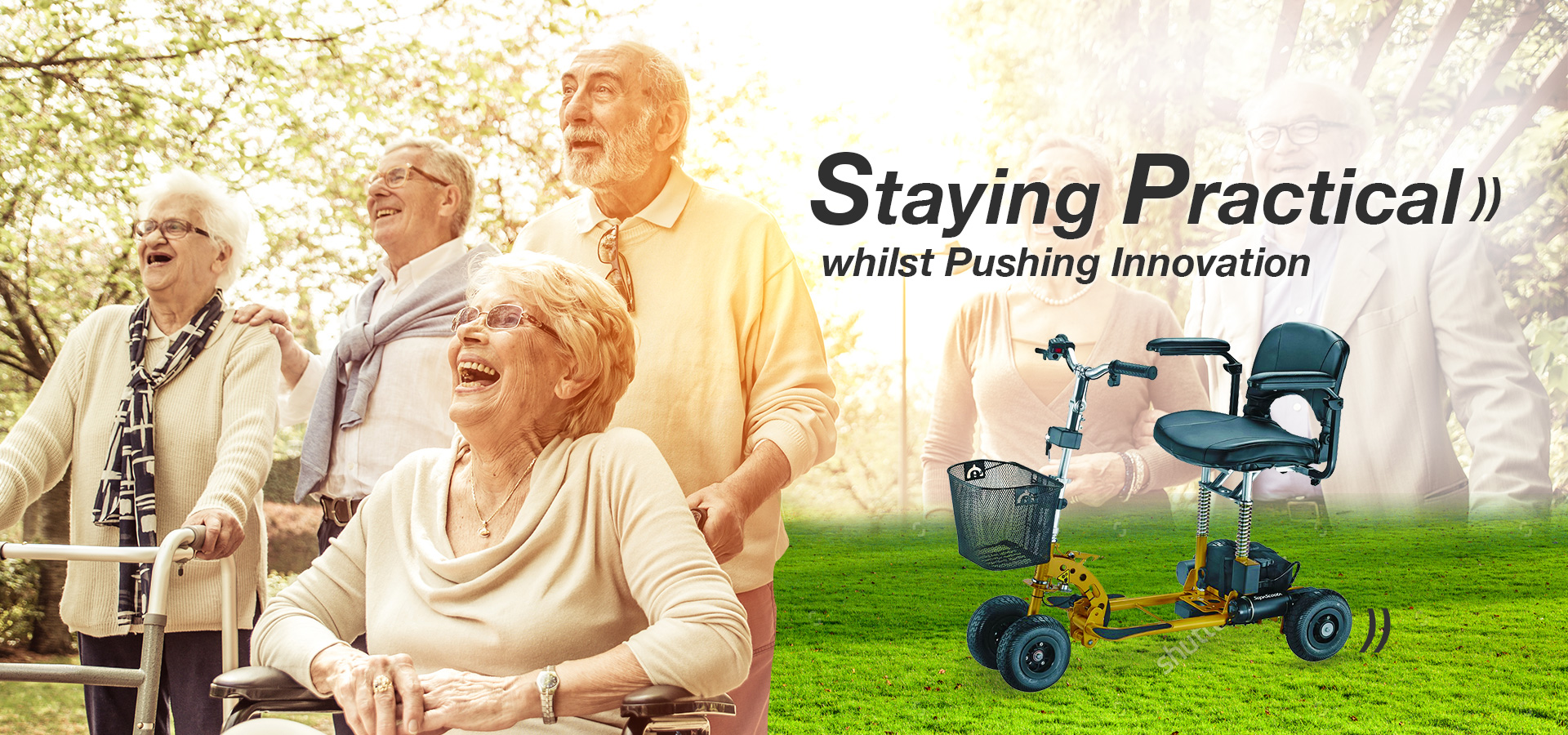

High-durability electric mobility wheelchairs and handicap scooters engineered with advanced ESC safety, sub-zero lithium management, and compact folding frames tailored for Russian municipal infrastructure.
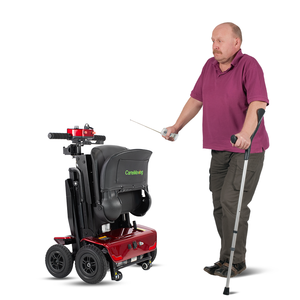
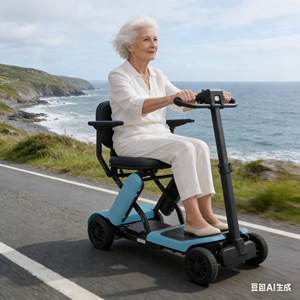
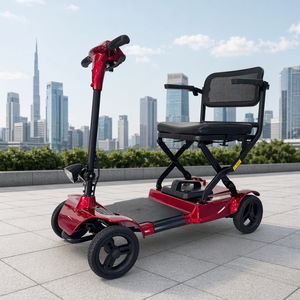
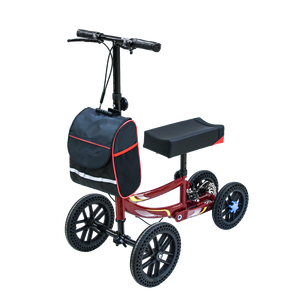
The Greater Moscow Metropolitan Area—encompassing over 13 million residents within the Moscow Ring Road (MKAD) and extending into the surrounding Moscow Oblast—represents the largest consolidated market for personal assistive mobility devices in Eastern Europe. As municipal authorities accelerate the "Accessible Environment" (Доступная среда) state program, public infrastructure accessibility has dramatically improved across metro stations, Central Circle (MCC) lines, public health clinics, and social service centers.
Moscow’s aging population profile, coupled with expanding municipal social welfare budgets, has created a robust B2B environment for medical device distributors, regional pharmacy networks, and specialized orthopedic retailers. Key market drivers include:
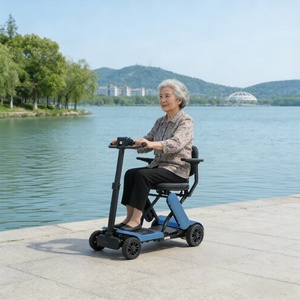
Over 2.6 million citizens in Moscow are aged 60 or older, driving sustained demand for lightweight, foldable mobility aids that enable independent living in dense urban settings.
The Social Insurance Fund (FSS) provides electronic certificates for adaptive equipment, allowing certified Russian importers to supply handicap scooters directly through state-subsidized channels.
Products must satisfy Eurasian Economic Union safety norms (TR CU 020/2011 for EMC and TR CU 004/2011 for low-voltage electrical safety) to obtain seamless customs clearance.
Operating electric mobility equipment in Moscow requires engineering tailored to distinct sub-zero winter temperatures, chemical road treatments ( противогололедные реагенты ), and specific urban architectural constraints.
| Moscow Operational Challenge | Architectural & Environmental Reality | Factory Technical Engineering Solution |
|---|---|---|
| Sub-Zero Winter Operation | Winter temperatures frequently hover between -10°C and -25°C, causing standard lithium batteries to lose up to 45% of nominal capacity. | Cold-Tolerant BMS & Silicone Cabling: Factory integration of low-temperature lithium-iron-phosphate (LiFePO4) or heated NMC packs paired with moisture-sealed, flex-resistant silicone wiring. |
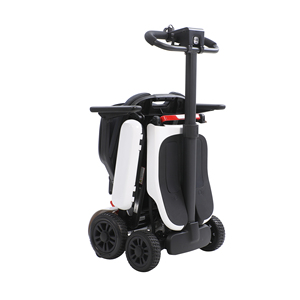
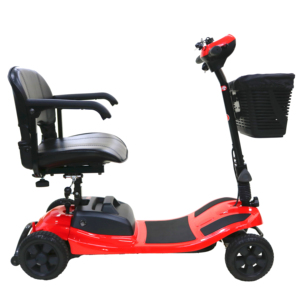
| Historic Apartment Elevators | Soviet-era "Khrushchevka" (5-story) and "Panyelka" (9-story) residential towers feature passenger elevators with tight 60cm door widths and 100cm depth limits. | Ultra-Compact Turning Radius (<95cm): Compact 3-wheel and auto-folding 4-wheel frames designed to fit vertically or within standard 600mm lift doors without manual disassembly. |
| Transit & Barrier-Free Ramp Compliance | Moscow Metro, MCD surface rail, and low-floor buses utilize standardized 12° (21%) transition ramps and tactile threshold strips. | High-Clearance ESC Drive Systems: Anti-rollback hill-start control, 50mm minimum ground clearance, and 8°-12° dynamic incline climb rating with active electronic braking. |
| Salt & Slush Corrosion Resistance | De-icing reagents applied to streets in winter cause severe electrochemical oxidation on exposed chassis components. | Electrophoretic Powder Coating & IPX5 Enclosures: Triple-layer powder coating over aircraft-grade aluminum alloy, paired with IPX5 sealed motor housings and stainless steel fasteners. |
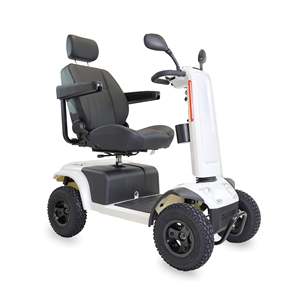
When operating in Moscow’s Central Administrative District (CAOD), a handicap scooter must seamlessly transition between indoors and outdoors. For instance, navigating paved paths in Gorky Park or VDNH requires pneumatic or solid honeycomb shock-absorbing tires that dampen vibrations from granite paving slabs. Conversely, navigating indoor retail spaces like Afimall City demands smooth, non-marking rubber tires and electromagnetic automatic braking that holds securely on polished marble floors.
As a leading Taiwanese mobility scooter manufacturer operating for over 25 years, Eurogreen International Inc. (SupaMobility) specializes in contract manufacturing, custom OEM frame development, and ODM electronics engineering for international mobility distributors.
Our production facilities leverage automated robotic welding, 50,000-cycle dynamic chassis fatigue testing, roller bench load simulation, and environmental cold-chamber testing to guarantee uncompromised quality before shipment to Moscow ports and logistics hubs.
Analyzing procurement data across Moscow medical trade exhibitions (such as Zdravookhraneniye and RehabTech) reveals three major technical trends reshaping distributor demand:
Importers are prioritizing scooters with modular component breakdown. Frames that split into sub-12kg sections enable elderly users or caregivers to lift the unit into standard sedan trunks without specialized hoists.
Electronic Stability Control (ESC) systems automatically decelerate the scooter during sharp turns. This significantly reduces sideways tipping risks on slick Moscow winter sidewalks and icy pedestrian crossings.
With domestic travel between Moscow, Saint Petersburg, and Sochi expanding rapidly, distributors demand airline-approved battery options (under 300Wh capacity) carrying MSDS and UN38.3 test reports.
To establish market leadership in Russia, B2B buyers require specialized factory-level customizations. Eurogreen International provides comprehensive private-label manufacturing options:
Direct answers to essential procurement, technical, and regulatory questions for medical device importers in Moscow and the CIS region.
Expand your Moscow mobility product portfolio with certified, winter-resilient handicap scooters and electric power wheelchairs. Contact our engineering and sales team today to receive complete technical specifications, wholesale price lists, and OEM catalog options.
Get Catalog