

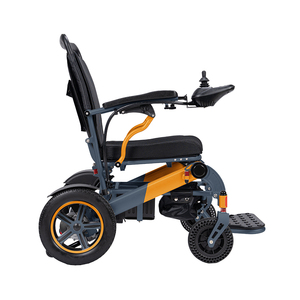
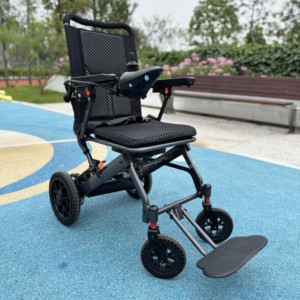
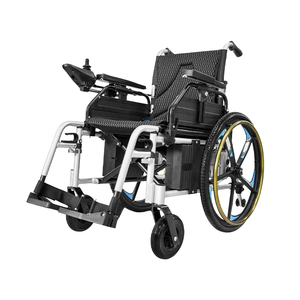
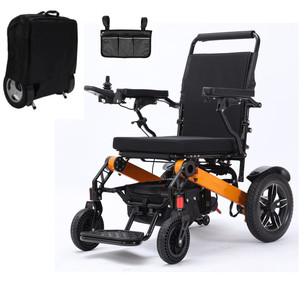
Executive Summary: The Evolving Mobility Infrastructure in Vietnam
The Socialist Republic of Vietnam is experiencing one of the fastest demographic and economic transitions in Southeast Asia. According to data from the General Statistics Office (GSO) of Vietnam and the Ministry of Labour, Invalids and Social Affairs (MOLISA), Vietnam officially entered an "aging population" phase in 2017 and is projected to transition into an "aged society" by 2036. Concurrently, over 7.8 million individuals—representing approximately 8% of the national population—live with severe or moderate physical disabilities requiring specialized assistive mobility devices.
For medical equipment importers, hospital purchasing committees, and private medical supply distributors across major hubs such as Hanoi, Ho Chi Minh City (HCMC), Da Nang, and Can Tho, securing a reliable supply chain of electric wheelchairs and motorized mobility scooters is no longer merely a retail opportunity—it is a critical healthcare imperative. However, sourcing powered wheelchairs for Vietnam presents unique engineering and regulatory challenges that require specialized OEM/ODM manufacturing partnerships.
Key Strategic Takeaway for Importers: Standard European or Western power wheelchairs often fail prematurely in Vietnam due to high relative humidity (exceeding 85% RH), tropical monsoon downpours, and intense urban stop-and-go motorcycle traffic patterns. Successful B2B procurement demands high-torque brushless motor assemblies, IPX5 waterproof controller enclosures, and specialized battery management systems (BMS).
This technical whitepaper provides healthcare enterprise buyers with a comprehensive evaluation of electric wheelchair manufacturing specifications, localized application environments in Vietnam, regulatory pathways under Decree 98/2021/ND-CP, and actionable strategies to leverage Taiwanese precision manufacturing capabilities for competitive advantage.