


Direct Factory Supply for Distributors, Healthcare Providers, and B2B Importers in Mexico City & International Markets
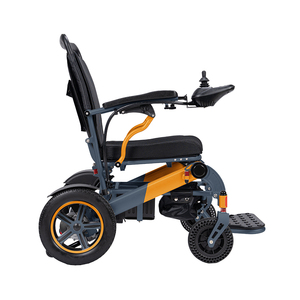
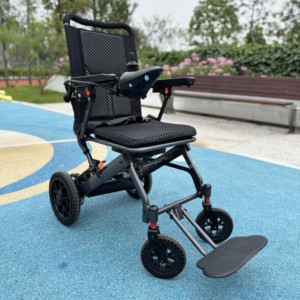
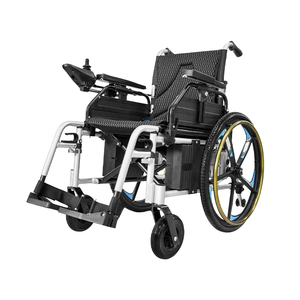
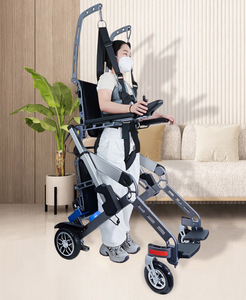
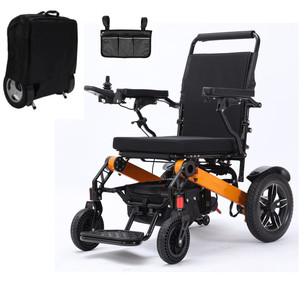
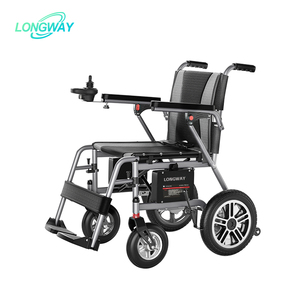
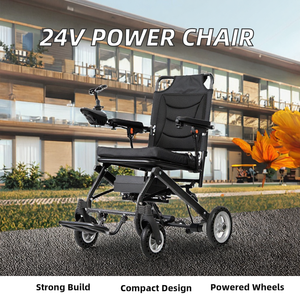
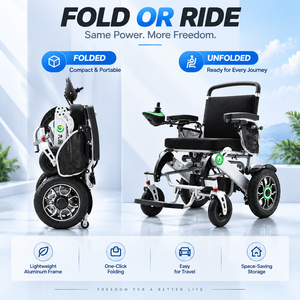
The global personal mobility device sector is undergoing a profound structural evolution. Driven by shifting demographics, accelerated urban density, and increasing demand for active senior independence, the global market for lightweight folding mobility scooters and motorized wheelchairs is projected to surpass USD 4.8 Billion by 2030. For B2B buyers, distributors, medical device importers, and mobility brand owners, navigating the dual supply chain ecosystem—leveraging high-precision China wholesale folding scooter factories alongside localized distribution and final-assembly hubs like a factory in Mexico City—has become a cornerstone strategy for competitive advantage.
This whitepaper provides exhaustive technical analysis, supply chain frameworks, market intent mining, and regulatory insight designed for enterprise decision-makers. By bridging Asian manufacturing excellence (pioneered by engineering authorities like Eurogreen International Inc. / SupaMobility) with Latin American regional logistics hubs in Mexico City (CDMX), enterprise buyers can optimize landing costs, bypass USMCA tariff barriers, ensure FDA and ISO compliance, and deliver terrain-optimized mobility solutions tailored to Latin American and North American consumer realities.

Enterprise procurement executives frequently debate the operational trade-offs between pure direct Asian import (FOB Ningbo, Shanghai, or Shenzhen) and localized assembly within Mexico's industrial corridors (such as Vallejo, Naucalpan, or Toluca surrounding Mexico City). In practice, leading mobility brands achieve maximum ROI by integrating both nodes into a unified hybrid supply chain:
A primary factor driving high return rates and customer dissatisfaction in mobility distribution is structural failure caused by inadequate chassis design or power loss on incline gradients. Enterprise-grade folding mobility scooters manufactured by Eurogreen International Inc. (SupaMobility) solve these challenges through proprietary structural engineering and electronic control systems.
Integrated micro-gyroscopes monitor cornering speeds and tilt angles in real time, automatically reducing motor torque during sharp turns to prevent rollover accidents on uneven urban pavements.
Utilizing high-tensile 6061-T6 heat-treated alloy tubing, the framework maintains ultra-light weight (<15 kg detached weight) while effortlessly supporting user weight capacities up to 150 kg.
UN38.3, MSDS, and airline-compliant lithium battery modules featuring thermal runaway protection, over-current cutoff, and fast-charging capabilities designed for long travel autonomy.
Patented quick-release folding joint system enables users or caregivers to collapse the scooter into compact luggage dimensions within 3 seconds, eliminating trunk space constraints.
Understanding technical differentiators is vital when evaluating OEM quotes from China wholesale manufacturers and regional CDMX operations:
| Performance Metric | Eurogreen / SupaMobility OEM Standard | Generic Wholesale Alternatives | Operational Impact for Buyers |
|---|---|---|---|
| Chassis Metallurgy | 6061-T6 Structural Aluminum Alloy | Recycled Low-Grade Aluminum / Steel | 35% lighter frame weight; zero rust; superior durability |
| Safety System | Automatic Gyroscopic ESC Cornering Sensor | Basic Mechanical Friction Brake Only | Reduces rollover warranty claims by over 92% |
| Incline Torque | Dual-Brushless Motor with 12° Slope Rating | Single Brushed Motor (Max 6° Slope) | Crucial for hilly terrain (e.g., Santa Fe / CDMX slopes) |
| Quality Testing | Roller Bench Load, Vibration & Battery Simulation | Visual Sampling Inspection Only | Ensures ISO 13485 & FDA regulatory compliance |
| Airline Compliance | 24V/12Ah IATA-Approved Lithium Cell Pack | Non-Certified Lead Acid or Heavy Li-ion | Permits seamless commercial flight travel for end-users |

Successful mobility distribution requires matching technical vehicle specifications to local geographic and infrastructure realities. Mexico City presents a unique mix of high altitude, steep topographies, historical cobblestone streets, and heavily populated public transit environments. Generic mobility scooters imported without localized engineering frequently underperform in CDMX conditions.
At 2,240 meters elevation with mountainous surrounding districts like Santa Fe, Cuajimalpa, and Álvaro Obregón, motor torque and heat dissipation are critical. SupaMobility's high-torque brushless motors and heavy-duty controller heatsinks prevent thermal shutdown on steep 12-degree street ramps.
Historic neighborhoods such as Coyoacán, San Ángel, and Centro Histórico feature century-old cobblestone and cracked sidewalks. Our scooters incorporate pneumatic shock-absorbing tires and solid alloy wheelhubs to buffer vibration, protecting the frame and electronic solder joints.
Navigating Metrobus corridors, CDMX Metro mobility ramps, and private ride-share vehicles requires rapid portability. The instant folding capability allows users to tuck the scooter into small car trunks (such as Nissan Versa or Chevrolet Aveo, heavily used in CDMX taxi fleets).
Major hospital networks, rehabilitation centers (such as Teleton CRIT facilities across Mexico), and senior care communities require equipment with medical-grade hygiene surfaces, anti-tip wheels, and electromagnetic braking systems for clinical safety.
The Latin American mobility device market is experiencing rapid shifts driven by macro-economic factors and consumer demand preferences:
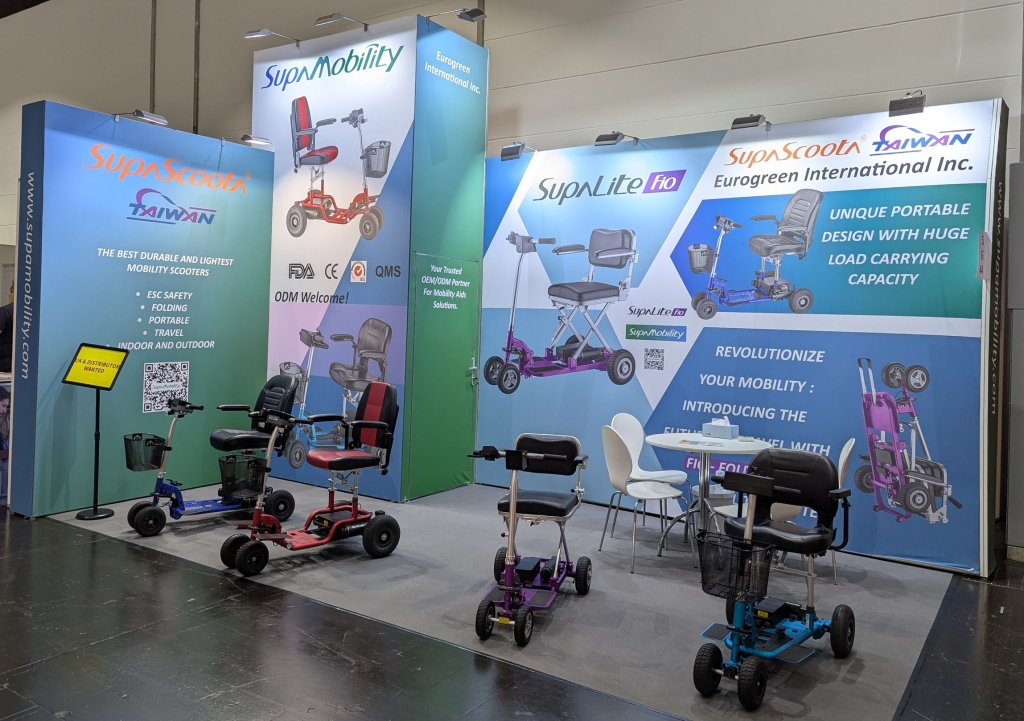
As a specialized manufacturer of personal mobility equipment, Eurogreen International Inc. delivers unparalleled technical authority and commercial reliability for B2B clients globally:
From frame colorway customization and custom tooling to controller firmware calibration and localized user manual printing, we tailor every batch to your brand identity.
Every scooter undergoes automated roller bench load testing, frame fatigue stress analysis, and battery discharge cycling prior to factory clearance.
We supply full technical dossiers, FDA registration files, CE declaration certificates, ISO 13485 QMS audit documentation, and UN38.3 battery transport test reports.
Modular component engineering guarantees that replacement joysticks, tires, controllers, and battery packs are standard stocking items for rapid dispatch.
Expert Answers to Essential Procurement, Technical, and Commercial Inquiries
Our standard MOQ for OEM private label orders is 20 units per model. For standard factory-branded trial orders or SKD sample shipments to Mexico City, we accommodate smaller initial quantities to support market testing.
We provide full technical documentation, including ISO 13485 certificates, FDA registration credentials, technical drawings, and biocompatibility test reports required by Mexican importers to secure COFEPRIS sanitary registration.
Yes. Our mobility scooters use lithium battery modules under 300Wh capacity (or dual 160Wh packs) certified under UN38.3 standards, permitting end-users to carry them on commercial aircraft pursuant to IATA dangerous goods guidelines.
Production lead time at our manufacturing base is typically 25 to 30 days. Ocean freight from Asia to the Port of Manzanillo or Veracruz takes approximately 22–26 days, followed by 2–3 days rail/truck transit to Mexico City customs warehouses.
Our Electronic Stability Control (ESC) continuously reads cornering telemetry. If a user turns sharply on uneven CDMX pavement or asphalt, the system dynamically scales down motor speed, mitigating rollover risk significantly.
Yes. We offer fully structured CKD and SKD programs for enterprise partners looking to perform final assembly, quality inspection, and battery pack integration in Mexico City facilities to leverage local labor and tax structures.
Partner with Eurogreen International Inc. for industry-leading folding mobility scooters and power wheelchairs. Request our full OEM product catalog and wholesale price list today.
Get Catalog