
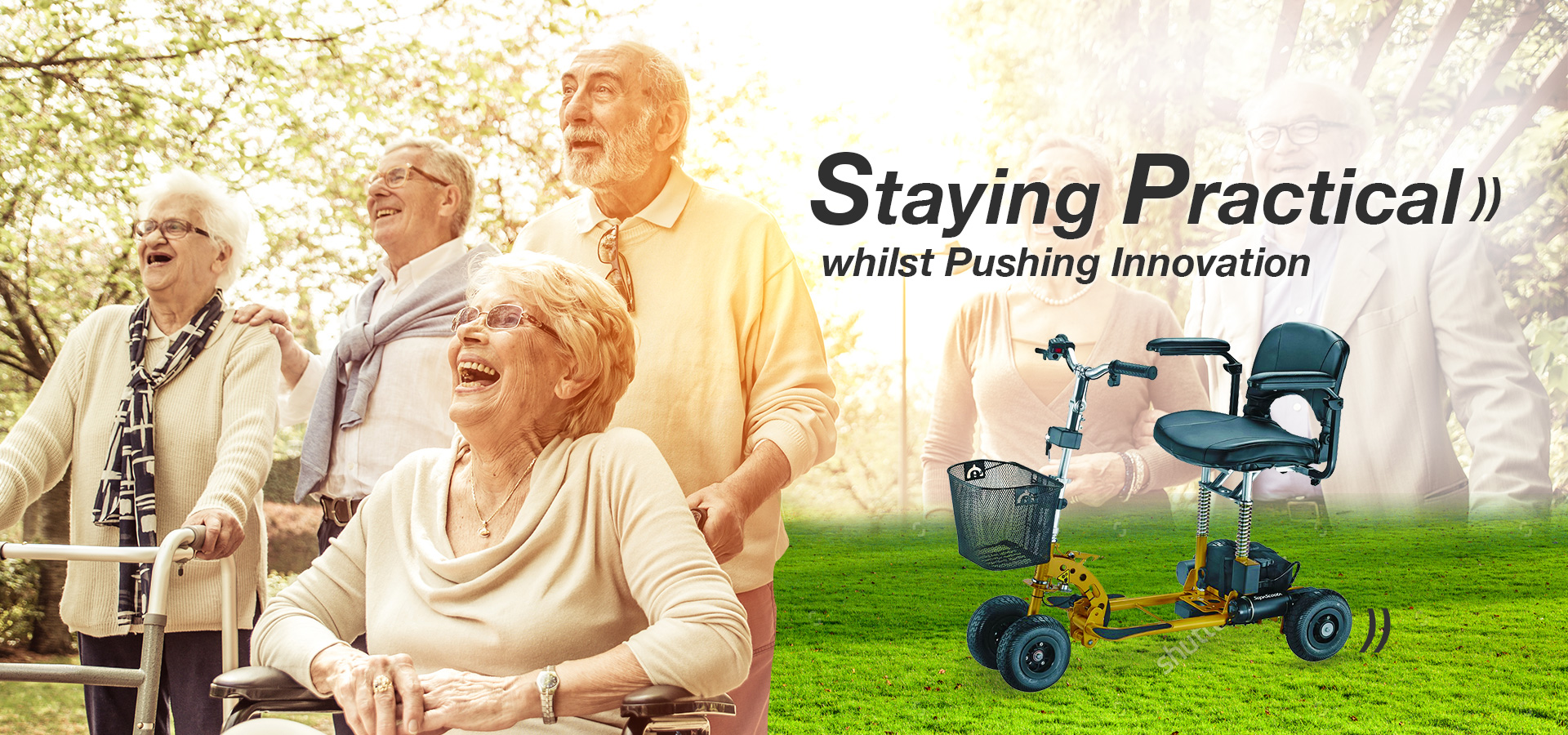

Explore our top-tier export models manufactured with aviation-grade aluminum, dual lithium-battery architecture, and compact folding ergonomics optimized for Canadian retail and healthcare distribution.
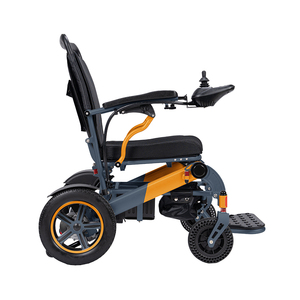
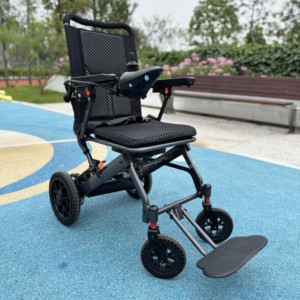
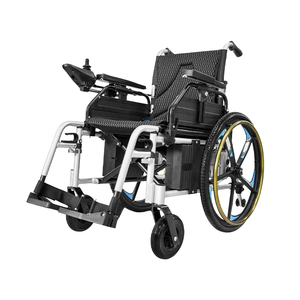
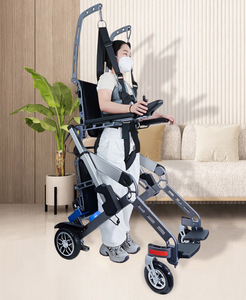
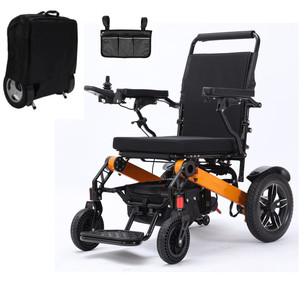
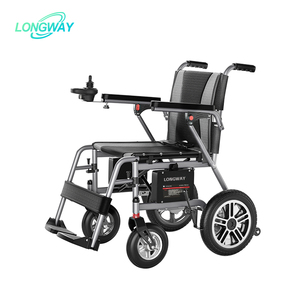
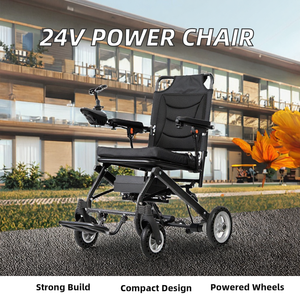
The demand for personal mobility solutions in Canada is experiencing an unprecedented structural expansion. Driven by an aging demographic across key provinces such as Ontario, British Columbia, Quebec, and Alberta, combined with active lifestyle expectations among senior populations, medical equipment distributors and B2B buyers face increasing complexity. The Canadian mobility market requires products that transcend basic functional transport; they demand medical-grade structural integrity, winter climate resilience, and compliance with stringent transport and safety regulations.
As leading China-based original equipment manufacturers (OEM) and original design manufacturers (ODM), our manufacturing enterprise—operating through established brands such as Eurogreen International Inc. and SupaMobility—delivers high-performance portable mobility scooters and power wheelchairs engineered specifically for international trade standards. This whitepaper provides Canadian medical device importers, regional mobility dealers, and healthcare procurement agencies with a technical and strategic framework for sourcing portable scooters engineered for North American deployment.
Unlike standard market reports, this document details low-temperature battery performance loss curves, 6061-T6 aluminum alloy metallurgy, Health Canada Medical Device Establishment License (MDEL) documentation alignment, and supply chain logistics routes from Chinese manufacturing hubs directly to the Ports of Vancouver, Montreal, and Halifax.
To capture market share in Canada, portable mobility scooters cannot simply be re-badged generic commodities. They must be engineered to excel across distinct geographic, architectural, and seasonal environments characteristic of Canadian living:
Canadian winters expose mobility hardware to severe thermal stress, slush, and road salt. Our localized units feature IP65-sealed wire harnesses, corrosion-resistant anodized aluminum frames, and Battery Management Systems (BMS) with built-in thermal heating elements that prevent lithium-ion capacity collapse down to -20°C.
Canadian urban centers emphasize seamless multimodal accessibility. Our scooters comply with width and turning radius constraints required by Toronto Transit Commission (TTC), Vancouver TransLink, and Montreal STM buses and light rail lines, featuring ultra-compact footprints and quick-release split-frame designs.
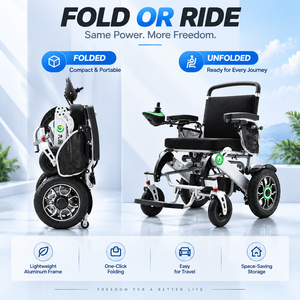
High-density urban living in Vancouver and Toronto means limited storage space. Our auto-folding power wheelchairs fold vertically to a footprint smaller than 0.25 square meters, allowing effortless storage in residential elevator cabs, hallway closets, and compact SUV trunks.
The competitive edge of our manufacturing facility lies in advanced mechanical design and electronics control integration. We bridge the gap between lightweight portability and structural longevity through rigorous material selection and electronic engineering:
Traditional heavy scooters rely on mild steel tubing, resulting in vehicle weights exceeding 45 kg that overwhelm elderly users or caretakers. Our engineering teams utilize 6061-T6 aerospace grade aluminum alloy subjected to dual-stage T6 heat treatment. This increases yield strength to 276 MPa while reducing gross vehicle weight (excluding battery) to under 20 kg. Stress concentration areas surrounding folding hinges undergo finite element analysis (FEA) to withstand static loads up to 150 kg and dynamic impacts up to 3G acceleration.
To service the diverse terrain profiles of Canada—from steep coastal inclines in British Columbia to uneven asphalt sidewalks in historical eastern municipalities—we offer both precision brush motor assemblies and high-efficiency brushless DC (BLDC) wheel-hub systems:
| Technical Parameter | Standard Brushed Drive System | Advanced BLDC Hub Motor System | Canadian Operational Benefit |
|---|---|---|---|
| Energy Efficiency Ratio | 72% - 78% Efficiency | 88% - 94% Efficiency | +25% extended range per battery charge cycle |
| Gradient Climbing Angle | Up to 8 Degrees Slope | Up to 12 - 15 Degrees Slope | Effortless navigation of hilly urban terrain |
| Low-Temp Cell Discharge | Standard Lead/LiFePO4 | NCM / Low-Temp Li-ion + BMS | Prevents voltage drop under winter conditions |
| Braking Architecture | Manual Mechanical Brake | Electromagnetic Auto-Brake + ESC | Instant anti-rollback protection on ice/slopes |
| Maintenance Cycle | Brush replacement ~1,000 hrs | Maintenance-Free Sealed Motor | Dramatically lowers dealer warranty servicing cost |
Navigating wet sidewalks, snow slush, or steep transit ramps poses tipping hazards. Our intelligent power wheelchairs and portable scooters integrate micro-electro-mechanical systems (MEMS) 6-axis gyroscopes coupled with real-time Electronic Stability Control (ESC). When executing high-speed turns or encountering lateral slope angles exceeding 8 degrees, the controller automatically scales back drive torque to the outer wheel, eliminating lateral roll tendencies and maintaining firm tire traction.
SupaMobility (Eurogreen International Inc.) operates state-of-the-art manufacturing facilities equipped with automated robotic welding lines, CNC machining centers, and comprehensive physical testing laboratories. We provide Canadian partners with verified transparency across all quality control tiers:

State-of-the-art assembly infrastructure certified under ISO 13485 Quality Management Systems.
Fully compliant with FDA, CE, and ISO 13485 regulations, supporting Canadian MDEL licensing.
Navigating Canadian medical equipment importation requires strict adherence to federal and provincial regulatory bodies. As an experienced exporter to North America, we streamline compliance for our distribution partners:
In Canada, mobility scooters and power wheelchairs are categorized as Class II Medical Devices or non-medical personal mobility devices depending on intended use. We provide complete technical files—including ISO 13485 certification, risk management reports (ISO 14971), and electrical safety testing (IEC 60601-1-2)—allowing Canadian distributors to register their Medical Device Establishment Licenses (MDEL) without bureaucratic delays.
Canadian consumers frequently travel domestically and internationally via carriers like Air Canada and WestJet. Our removable lithium-ion battery modules (24V 10Ah / 12Ah) comply strictly with IATA regulations limiting carry-on battery capacities to under 300Wh (or dual 160Wh modules), complete with certified UN 38.3 test reports and MSDS documentation.
Under Canadian Customs Tariff schedules (HS Code 8713.90 for motorized invalid carriages), mobility units benefit from favorable tariff classifications. We optimize sea freight container consolidation (FCL/LCL) out of Ningbo and Shanghai ports, shipping directly to Port of Vancouver for Western distribution, or via the Panama Canal to Montreal/Halifax for Eastern Canadian markets.
Below are authoritative responses to the most critical technical, commercial, and regulatory questions submitted by Canadian mobility distributors, dealers, and healthcare buyers: