



Executive Summary: Global Wheelchair Component Manufacturing Ecosystem
The global wheelchair and personal mobility equipment industry is undergoing a structural transition driven by medical advancements, active user demands, lightweight material science, and stringent international safety protocols. As B2B procurement managers, original equipment manufacturers (OEMs), and medical device distributors evaluate component supply chains, sourcing from verified wheelchair parts manufacturers and factories has become a vital operational imperative.
Modern wheelchair components—ranging from manual frame joints, investment-cast folding hinges, and titanium protection tubes to polyurethane armrests and carbon fiber footplates—must deliver flawless structural integrity. This whitepaper provides a comprehensive evaluation of component material selections, manufacturing methodologies (such as CNC milling, silica sol investment casting, and reaction injection molding), quality regulatory standards (ISO 13485, FDA QSR, CE MDR), and strategic procurement trends shaping the mobility sector.
🔑 Key Procurement Insight: Sourcing wheelchair parts requires evaluating total cost of quality (TCQ), material fatigue thresholds under ISO 7176-8 dynamic load standards, compliance certifications, and modular compatibility across manual, electric, and hybrid powerchair frames.
Advanced Material Engineering & Manufacturing Processes
Engineering premium mobility equipment components requires multi-disciplinary metallurgical, polymer, and composite fabrication techniques. Leading OEM contract manufacturers leverage specialized production lines tailored to specific component functions:
Aerospace Titanium Gr9 Machining
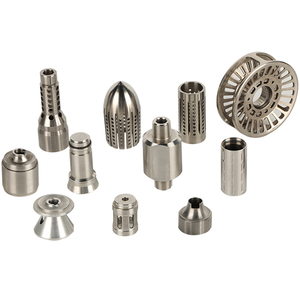
Grade 9 Titanium (Ti-3Al-2.5V) provides exceptional strength-to-weight ratios for protection bars, axle receivers, and high-impact structural frame tubes. CNC 5-axis turning guarantees tolerances down to ±0.005mm.
Silica Sol Investment Casting
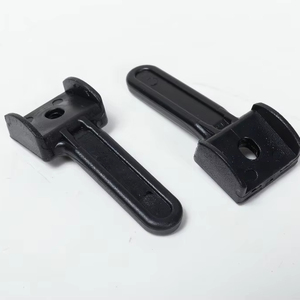
High-precision 304 and 316L stainless steel silica sol investment casting produces seamless, high-density structural hinge brackets, pivot arms, and quick-release mechanisms without weld line vulnerabilities.
Composite Carbon Fiber Molding
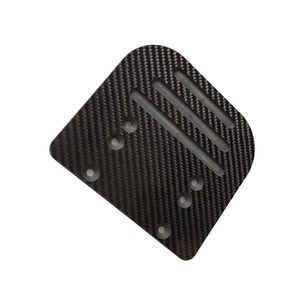
Autoclave and compression molded 3K carbon fiber structures—specifically designed for footplates, side guards, and backrest shells—deliver rigid structural support while cutting frame mass by over 40% compared to traditional aluminum.
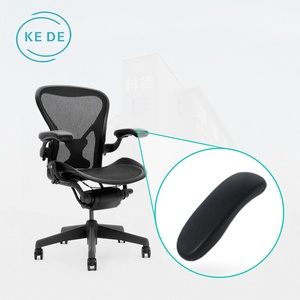
Additionally, contact surfaces such as armrest pads, headrests, and seating supports utilize high-density self-skinning Polyurethane (PU) microcellular foam. PU molding provides shock absorption, flame resistance (California Technical Bulletin 117 compliance), chemical resistance to hospital disinfectants, and superior tactile comfort.
Wheelchair Component Material Selection Matrix
Selecting the optimal material for specific wheelchair sub-assemblies directly impacts weight, load capabilities, corrosion protection, and manufacturing cost efficiency:
| Material Type | Primary Application | Tensile Strength | Weight Savings | Corrosion Rating | Ideal Manufacturing Process |
|---|---|---|---|---|---|
| Titanium Gr9 (Ti-3Al-2.5V) | Active Frame Tubes, Axles, Guards | 620 MPa | High (45%) | Excellent | CNC Turning & Precision Bending |
| 3K Carbon Fiber Composite | Foot Plates, Side Covers, Rigid Seats | 600-800 MPa | Ultra High (60%) | Impervious | Autoclave Compression Molding |
| 316L Investment Cast Steel | Folding Joints, Lock Levers, Hinges | 580 MPa | Moderate (15%) | Excellent | Silica Sol Lost-Wax Casting |
| Integral Self-Skinning PU Foam | Armrest Pads, Headrests, Knee Supports | N/A (Elastomer) | Optimal Comfort | High Resistance | Reaction Injection Molding (RIM) |
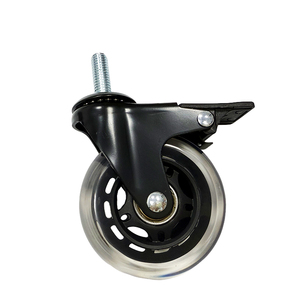
| Non-Marking Polyurethane / PP | Caster Wheels, Swivel Hubs, Rollers | N/A (Tread Polymer) | Low Rolling Drag | High Wear Proof | Precision Thermoplastic Injection |
Eurogreen International Inc. / SupaMobility Manufacturing Excellence
Eurogreen International Inc. (SupaMobility, SupaScoota, SupaChair) stands as a trusted Taiwan-based original equipment and design manufacturer (OEM/ODM) of folding mobility scooters, power wheelchairs, and high-precision structural components.
Guided by our operational philosophy—"Practical innovation, quality first, and continuous improvement"—our engineering teams collaborate with international medical device brands, mobility equipment importers, and healthcare distributors to engineered components that exceed international compliance standards.
- ISO 13485 Medical Device Quality Management System Certification
- Full Registration with US FDA, CE MDR, and Global QMS Standards
- In-House Automated Roller Bench Load & Multi-Axis Fatigue Testing
- Comprehensive CAD/CAM Tooling Engineering & Turnkey Prototyping
Quality Testing Infrastructure
Every structural part, frame weld, caster assembly, and electronic component manufactured in our facility undergoes rigorous verification:
- • Dynamic Roller Bench Testing (100,000+ cycle fatigue evaluation)
- • Salt Spray Corrosion Chamber Testing (ASTM B117 Standard)
- • Battery Endurance Simulation & ESC Safety Interlock Validation
- • 3D Coordinate Measuring Machine (CMM) Dimensional Verification
Future Procurement & Development Trends in Wheelchair Component Manufacturing
As the mobility device industry evolves towards smarter, lighter, and more adaptable solutions, procurement teams must align with emerging global technical trends. Navigating these shifts ensures component long-term compliance, lowers warranty claim rates, and improves end-user satisfaction.
1. Hyper-Lightweighting & Hybrid Materials
Procurement demand is shifting rapidly from standard 6061 aluminum to advanced hybrid assemblies combining carbon fiber footplates, titanium axles, and magnesium alloy frames, drastically improving battery range in power chairs.
2. Modular Smart Component Systems
Next-generation sub-assemblies incorporate integrated sensors for weight distribution, tilt angle monitoring, and brushless DC motor telemetry. Standardized modular interfaces streamline field service and replacement.
3. Stringent Biocompatibility & Anti-Microbial PU
Post-pandemic healthcare standards demand touch-point components (armrests, headrests, hand-rims) made from non-porous, antibacterial polyurethane polymers compliant with ISO 10993 cytotoxicity standards.
Frequently Asked Questions (FAQ) for B2B Wheelchair Parts Procurement
Key technical and commercial inquiries faced by OEM buyers, medical supply importers, and component specifiers:
Partner with a Trusted Medical-Grade Component Manufacturer
Looking for reliable OEM/ODM contract manufacturing, custom tooling, or bulk wheelchair replacement parts? Connect directly with our engineering team for technical evaluation and competitive pricing.
Get a Quote