


Engineered for International Compliance (FDA, CE, ISO 13485) & Rigorous OEM/ODM Fleet Deployment
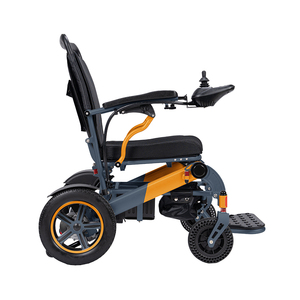
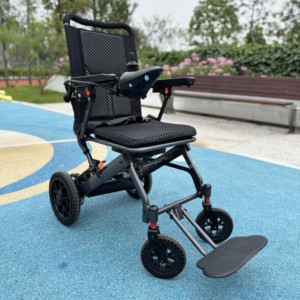
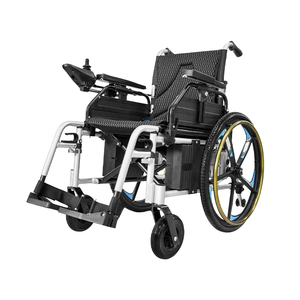
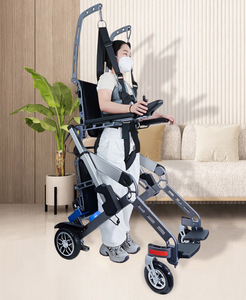
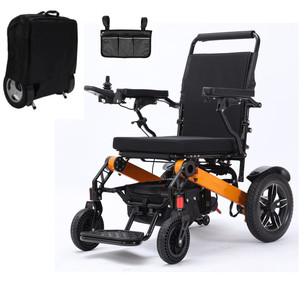
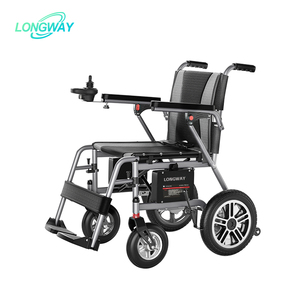
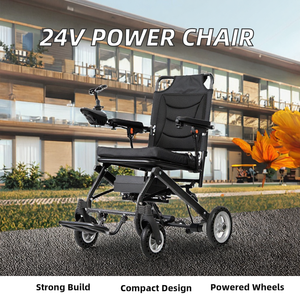
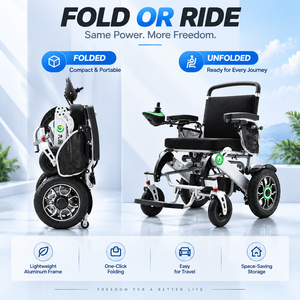
As the global demographic shifts toward an aging population and international accessibility mandates (such as the Americans with Disabilities Act in North America and EN 12182 in the European Union) become increasingly stringent, the demand for high-grade mobility ramp systems, motorized wheelchairs, and portable mobility scooters has experienced unprecedented growth. Procurement officers, medical equipment distributors, and government healthcare buyers no longer evaluate suppliers solely on unit pricing. Instead, strategic sourcing decisions are dictated by structural durability, material science, anti-corrosion treatments, and strict compliance with international medical device standards.
This industry white paper, compiled by senior mobility engineers and B2B export strategists at Eurogreen International Inc. (SupaMobility), details the technical parameters, structural innovations, and manufacturing benchmarks required when sourcing top-tier scooter ramps and companion mobility devices from specialized manufacturers.
Core Procurement Insight: Inferior aluminum alloys and poorly engineered hinge points account for over 68% of field failures in portable scooter ramps. Partnering with ISO 13485 certified manufacturers who utilize computer-simulated stress modeling and automated robotic welding is critical for risk mitigation in commercial deployments.
Modern mobility ramps must strike an intricate balance between structural load capacity and portable weight efficiency. Premium manufacturers employ 6061-T6 aircraft-grade extruded aluminum alloys, recognized for their exceptional tensile strength-to-weight ratio and natural resistance to atmospheric corrosion. Advanced engineering developments include:
Engineered punch-hole patterns and high-friction extruded ribbing guarantee anti-slip traction under rain, sleet, or muddy conditions without destroying rubber tires.
Continuous piano hinges with stainless steel pins distribute point loads evenly across the structure, preventing mid-span sag under heavy bariatric powerchairs.
Dual bevel transition plates allow smooth roll-on from ground-to-ramp and ramp-to-threshold, eliminating dangerous tipping hazards during entry.
Established as a premier Taiwanese OEM/ODM manufacturer, Eurogreen International Inc. (operating globally under brand names including SupaMobility, SupaScoota, and SupaChair) has led the mobility innovation sector since 1999. Operating out of Changhua County, Taiwan, Eurogreen provides comprehensive contract manufacturing, private-label engineering, and customized production lines for top medical equipment brands worldwide.
Unlike standard trading companies, Eurogreen controls the entire engineering lifecycle—from initial 3D CAD modeling and finite element analysis (FEA) to precision CNC machining, robotic TIG welding, and automated powder coating.
| Evaluation Parameter | Eurogreen International Manufacturing Standard | Standard Market Competitor |
|---|---|---|
| Primary Material Standard | Heat-Treated 6061-T6 Aircraft Aluminum & High-Grade Composites | Recycled 6063 Aluminum / Recycled Mild Steel |
| Quality Certifications | ISO 13485 QMS, FDA 510(k) Registered, CE MDR Compliant | Basic ISO 9001 / Self-Declared CE |
| Safety Testing Protocols | 100,000-cycle Roller Bench Load & Salt Spray Corrosion Testing | Static Weight Press Only |
| Electronic Safety Systems | Patented ESC (Electronic Stability Control) Integration | Standard Mechanical Braking Only |
| OEM Customization Scope | Full Structural CAD Modification, Custom Gradients, Custom Branded Packaging | Logo Stamping Only |
Exhibition Notice: Connect directly with Eurogreen's senior engineering team at REHACARE 2026 in Düsseldorf, Germany (September 23–26, 2026 | Hall 5, Stand J44) to evaluate live product demonstrations and inspect custom ramp configurations.
Strategic B2B buyers must anticipate changing technological landscapes and regulatory adjustments when establishing long-term supply chain contracts. Our research highlights four decisive trends shaping the future of mobility access manufacturing:
While aluminum remains the industrial standard, high-end medical procurement programs are rapidly adopting ultra-lightweight carbon-fiber composite ramps. Offering up to a 40% reduction in tare weight with equal or greater structural stiffness, carbon-hybrid ramps enable elderly caregivers to deploy single-piece vehicle ramps effortless without risking back injuries.
Commercial transit systems and municipal accessibility fleets are increasingly specifying "Smart Ramps" equipped with embedded strain gauges and incline monitors. These IoT sensors communicate wirelessly with transit control centers to confirm ramp deployment safety, monitor angle compliance, and flag structural fatigue before mechanical failure occurs.
With heavy-duty power wheelchairs and dual-battery mobility scooters gaining market share, traditional 500-lb capacity ramps are becoming inadequate for commercial transport fleets. Procurement specifications are rapidly shifting toward 800-lb to 1,000-lb working load ratings featuring dual center-support ribs.
Importers face increasing scrutiny from global customs authorities. Future-proof procurement requires supply chain partners capable of providing complete technical documentation folders, including REACH chemical safety certificates, UN 38.3 lithium battery transport clearances, and ISO 7176 dynamic stability reports.
Answers to common technical, logistics, and engineering inquiries submitted by global distributors and equipment buyers.
Partner with a trusted, certified manufacturer equipped to deliver premium scooter ramps, power wheelchairs, and folding mobility scooters tailored to your regional market standards.