


Analyzing the Paradigm Shift from Traditional Power Chairs to Smart Autonomous Robotic Mobility
The global mobility market is undergoing an unprecedented technological revolution. Driven by demographic aging, expanding healthcare access, and rapid breakthroughs in micro-electronics, the market for electric power wheelchairs and autonomous robotic mobility aids is projected to expand at a CAGR of 8.4% through 2030. Modern medical device buyers, international distributors, and rehabilitation equipment importers are moving away from commodity mechanical wheelchairs toward Intelligent Robotic Mobility Systems that feature advanced Electronic Stability Control (ESC), autonomous obstacle avoidance, Brushless DC Field-Oriented Control (FOC) motors, and ultra-lightweight aircraft-grade chassis geometries.
Direct Factory Supply & OEM/ODM Customizable Models for Global Medical Distributors
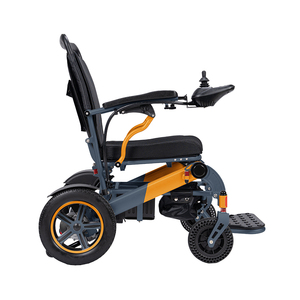
Features automatic wireless folding mechanisms, high-torque dual motors, and aircraft aluminum construction for effortless trunk loading.
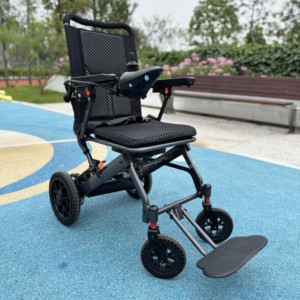
Designed for all-day outdoor and indoor mobility. Dual lithium-ion hot-swappable battery bay provides extended operational range up to 25 km.
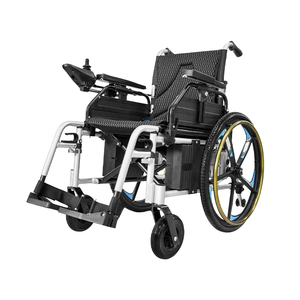
Engineered with 24-inch pneumatic rear drive wheels and direct-drive brushless hub motors for superior outdoor terrain navigation and curb clearance.
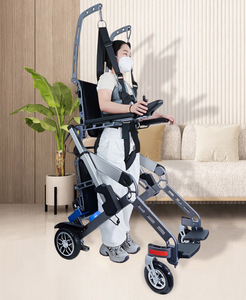
Advanced rehabilitation robotics integrating powered sit-to-stand bio-mechanics, dynamic gait support, and smart anti-tip balance sensors.
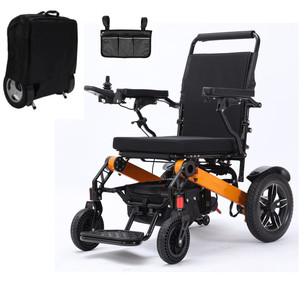
Optimized for airline transit and global travel. Compact fold-down chassis complies with IATA lithium battery transportation guidelines.
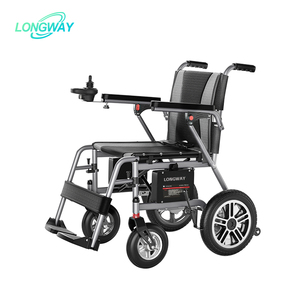
Premium ergonomic seating design paired with intelligent microprocessor control, electro-magnetic responsive braking, and smooth FOC acceleration.
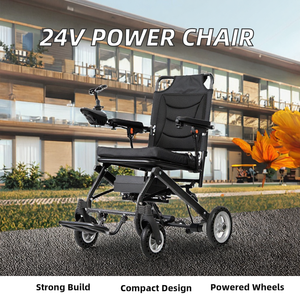
Reinforced chassis structure fitted with heavy-duty dual motors designed for climbing steep inclines, uneven pavements, and outdoor park trails.
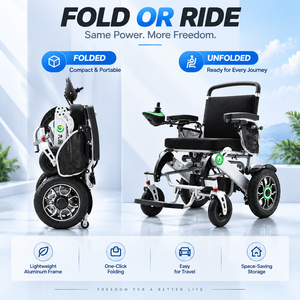
Ultra-narrow turning radius optimized for tight indoor environments, doorways, and shopping centers, backed by a quick-folding light alloy frame.
Key Innovation Drivers Redefining Commercial Sourcing & Medical Procurement
Next-generation robotic wheelchairs incorporate LiDAR micro-sensors, 3D Time-of-Flight (ToF) cameras, and ultrasonic sonar arrays. Controlled by localized SLAM algorithms, these systems enable hands-free autonomous navigation through indoor healthcare facilities and crowded urban landscapes, mitigating collision risks for visually impaired or motor-impaired users.
Traditional brush motors are rapidly being replaced by high-efficiency Brushless Direct Current (BLDC) motors driven by Field-Oriented Control (FOC) controllers. Paired with integrated Electronic Stability Control (ESC), intelligent wheelchairs automatically adjust power distribution across uneven terrain, preventing spin-outs and roll-backs on steep gradients.
Rehabilitation mobility is merging with personal robotics. Smart standing wheelchairs utilize electro-hydraulic or linear actuator systems synchronized with gait-training telemetry. This allows patients with spinal cord injuries or severe neuromuscular conditions to transition safely between sitting and standing postures, promoting circulatory health.
B2B distributors are demanding connected mobility fleets. Embedded cellular IoT modules transmit real-time telemetry—including battery cell health, brake wear status, controller temperatures, and GPS position—to cloud management portals, permitting preventive maintenance before failure occurs.
Utilizing high-tensile 6061-T6 aluminum alloys, magnesium-aluminum blends, and high-modulus carbon fiber composites, modern power wheelchairs achieve total frame weights under 15 kilograms. Quick-release modular sub-assemblies ensure hassle-free transport on commercial aircraft.
Safety compliance requires transition to Lithium Iron Phosphate (LiFePO4) chemistry. Offering superior thermal runaway stability, double the cycle life of traditional NMC batteries, and UN38.3 transport certification, LiFePO4 packs guarantee zero combustion risk under extreme operational load.
Evaluating Technical Standards, Material Integrity, and Quality Control Parameters
When procuring robotic wheelchairs for healthcare markets in North America, Europe, and Asia-Pacific, selecting a validated, certified OEM/ODM manufacturer is essential for compliance, brand reputation, and long-term profitability. Below is a comparative engineering audit matrix outlining the differences between Tier-1 certified factories (such as Eurogreen International Inc. / SupaMobility) and low-tier commodity assembly plants.
| Evaluation Parameter | Tier-1 Precision Manufacturer (e.g. Eurogreen / SupaMobility) | Low-Tier Commodity Supplier |
|---|---|---|
| Quality Management System | ISO 13485:2016 Certified, FDA 510(k) Cleared, CE MDR Compliant | Basic ISO 9001 or standard unverified commercial claims |
| Frame Chassis Metallurgy | T6 Heat-Treated Aviation Aluminum 6061 / Magnesium Alloys | Low-grade welded mild steel or non-treated aluminum tubing |
| Motor Architecture & Drivers | Brushless FOC Hub Motors with Dynamic ESC and Regenerative Braking | Brushed DC Motors with high friction wear and heat buildup |
| Testing Protocols | Roller-bench continuous load test, dynamic 10,000-cycle incline, salt spray test | Visual spot check, minimal functional bench testing |
| Battery Safety System (BMS) | UN38.3 & IEC 62133 Certified BMS with dual-thermal runaway cutoffs | Generic battery packs without individual cell monitoring |
| OEM/ODM Firmware Engineering | In-house CAN-bus firmware customization, velocity curves, joystick sensitivity tuning | Fixed, non-programmable third-party microcontrollers |
| Warranty & Spare Parts Supply | Guaranteed 5-year chassis structural warranty; 10-year parts availability | Limited 6 to 12 months; inconsistent aftermarket component supply |
Taiwan’s Premier OEM & ODM Power Wheelchair and Mobility Scooter Manufacturer
Eurogreen International Inc. (勝富實業股份有限公司), operating under global consumer brands including SupaMobility, SupaScoota, and SupaChair, stands as an internationally recognized leader in the design and manufacture of ultra-lightweight, foldable power wheelchairs and mobility scooters.
Headquartered in Taiwan's advanced manufacturing corridor (Changhua County), our multi-disciplinary team of electrical, mechanical, and bio-engineering experts specializes in delivering customized OEM and ODM solutions to medical equipment distributors, regional importers, and mobility retailers worldwide.
From custom chassis geometry engineering to dedicated joystick controller programming, Eurogreen maintains absolute control over every stage of the manufacturing process—guaranteeing that every unit leaving our factory line complies with the world's most stringent medical device regulations.
Request OEM/ODM Co-Development KitExpert Guidance on Compliance, Customization, Shipping, and Warranty Terms
Partner with a trusted, engineering-driven Taiwanese manufacturer. Contact our sales and technical team today to request complete product catalogs, wholesale B2B price lists, and OEM/ODM engineering specifications.