


High-gain engineering portfolio designed for clinical adaptability, ultra-lightweight portability, and pediatric safety standards.
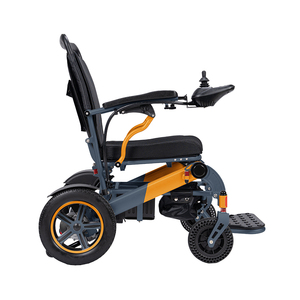
Engineered with high-grade aluminum alloy, intelligent remote folding mechanism, and pediatric wireless control safety overrides.
Get Catalog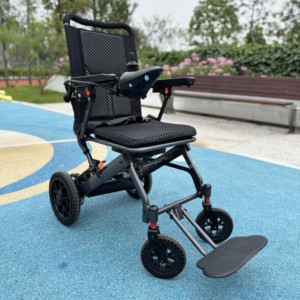
Ultra-compact frame footprint tailored for youth maneuverability, featuring hot-swappable dual lithium battery packs for all-day freedom.
Get Catalog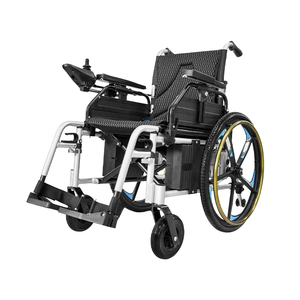
Features pneumatic 24-inch rear drive wheels, brushless hub motors, and adaptive posture support for active outdoor pediatric use.
Get Catalog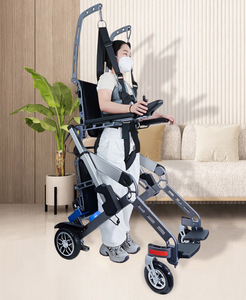
Next-generation robotic gait training and powered sit-to-stand posture correction device built for pediatric rehabilitation centers.
Get Catalog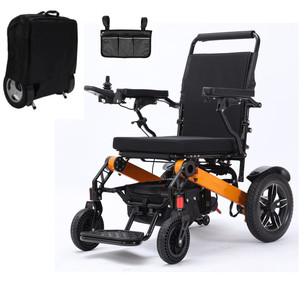
Precision-machined aviation aluminum chassis designed for quick disassembly, compact vehicle storage, and UN 38.3 flight compliance.
Get Catalog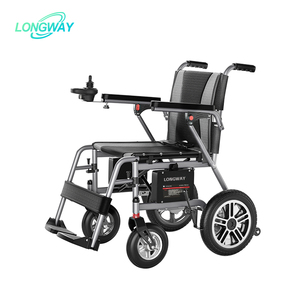
Equipped with sensitive 360-degree joystick controls, electromagnetic braking, and anti-tip stability features ideal for pediatric users.
Get Catalog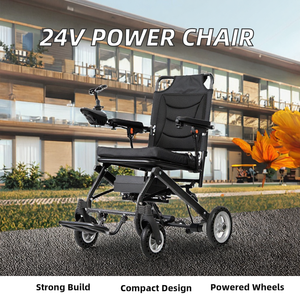
Dual high-torque drivetrain configured to navigate inclines, grass, and uneven pavement while maintaining absolute pediatric frame stability.
Get Catalog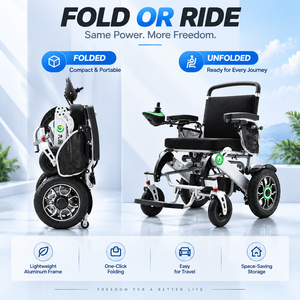
Narrow turning radius and custom seat-width adjustments designed for seamless navigation through school corridors and home environments.
Get CatalogAn authoritative guide for B2B clinical buyers, medical device importers, and institutional distributors evaluating pediatric powered wheelchairs, growth adaptation dynamics, and OEM supply chain integration.
Pediatric wheelchair design requires an entirely distinct engineering methodology compared to adult mobility products. A child's musculoskeletal system is dynamically evolving. Improper seating geometry, incorrect pelvic alignment, or static non-adjustable frames can exacerbate spinal deformities such as scoliosis, kyphosis, or pelvic obliquity. As a leading specialized manufacturer, Eurogreen International Inc. (SupaMobility) integrates advanced pediatric anthropometric sizing into every OEM frame design.
To deliver true Information Gain for clinical procurement teams, our pediatric engineering framework focuses on three core biomechanical pillars:
Telescopic aluminum alloy frame rails allowing width expansion (10" to 16") and depth adjustments without necessitating complete frame replacement as the child grows.
Integrated multi-axis lateral thoracic supports, adjustable pelvic contouring, and dynamic tilt-in-space mechanisms (0° to 45°) to relieve ischial pressure during extended seating.
Programmable Electronic Stability Control (ESC) software that lets caregivers adjust acceleration curves, max speed limits, and remote attendant overrides for pediatric safety.
The global pediatric wheelchair market is experiencing a profound shift toward lightweight, travel-friendly, and intelligent powered mobility. Strategic healthcare distributors must position their product catalogs to align with key macro procurement trends:
A. Transition from Heavy Lead-Acid to Aviation-Grade Lithium Iron Phosphate (LiFePO4) Battery Systems: Traditional motorized wheelchairs often exceeded 80 kg, creating massive transport hurdles for families and school districts. Modern pediatric procurement mandates total transport weights under 25 kg. By utilizing aircraft-grade T6-6061 aluminum and magnesium alloys combined with UN 38.3 certified lithium power packs, our powerchairs facilitate effortless trunk loading and commercial flight travel.
B. Integration of Sit-to-Stand Robotic Assistive Technologies: Clinical studies confirm that upright weight-bearing promotes bone mineral density, improves cardiovascular circulation, and enhances social engagement for children with neuromuscular conditions like Cerebral Palsy, Muscular Dystrophy, or Spina Bifida. Our smart standing pediatric rehab wheelchairs represent the cutting edge of this therapeutic trend.
C. Stringent Regulatory & Crash Test Compliance Requirements: International buyers now enforce mandatory compliance with ISO 7176-19 transit safety standards, ensuring pediatric powerchairs can be safely tied down inside school buses and wheelchair-accessible vehicles (WAVs).
When selecting a primary pediatric wheelchair manufacturing partner, OEM brand owners and regional medical distributors must evaluate technical specs beyond basic aesthetic appeal. The matrix below outlines vital engineering parameters required for institutional tenders:
Dual Brushless DC Hub Motors (200W–350W) deliver superior energy conversion (up to 88% efficiency), elimination of gear maintenance, ultra-quiet indoor operation, and zero oil leak risks.
Fail-safe Electromagnetic Braking (EMB) guarantees immediate static hold on 12-degree slopes upon joystick release, preventing backward rolling even during unexpected power disconnects.
Robotic TIG-welded frame construction subjected to 200,000-cycle multi-axis fatigue testing and dynamic roller bench load tests simulating 10+ years of rigorous daily playground usage.
Direct answers for medical equipment importers, government healthcare procurement officers, and global distributors regarding our manufacturing capabilities and pediatric mobility systems.
Our pediatric frames feature integrated dynamic growth expansion mechanisms. Seating width and depth can be mechanically adjusted in incremental stages (from 10 to 16 inches) using modular frame extenders and adjustable footrest assemblies. This extends the product lifecycle for end-users and maximizes return on investment for healthcare funding schemes.
Yes. Our mobility devices utilize MSDS and UN 38.3 certified lithium battery modules designed beneath the strict 300Wh capacity threshold established by IATA. Additionally, our specialized pediatric powerchairs meet ISO 7176-19 crash test standards for secure transit inside school buses and handicap transport vehicles.
As a specialized manufacturer, Eurogreen International Inc. provides complete end-to-end OEM/ODM services. This includes custom chassis frame color powder coating, private-label branding, customized joystick firmware (speed/sensitivity dampening for pediatric users), specialized seating ergonomics, custom box packaging, and local regulatory documentation support.
Every pediatric mobility unit undergoes rigorous multi-stage quality assurance: 100% electrical harness insulation checks, computerized dynamic joystick calibration, obstacle impact simulation, and heavy-duty roller bench fatigue testing under ISO 13485 procedures before leaving our Taiwan assembly lines.
We accommodate flexible MOQ structures ranging from trial sample batches for regional clinical evaluation up to full 20ft/40ft container shipments for large institutional contracts. Standard OEM mass production lead time ranges between 30 to 45 days following final specification sign-off.
Absolutly. We offer dual-control systems featuring a front 360-degree user joystick alongside an intuitive rear attendant control module or wireless Bluetooth remote control. This allows parents, teachers, or therapists to safely take command of the powerchair when navigating crowded or hazardous environments.
Expand your medical supply portfolio with certified, growth-adaptive, and high-margin pediatric electric wheelchairs. Contact our engineering and OEM sales team today to request product catalogs, technical documentation, or customized sample evaluation units.
Get Catalog & B2B Pricing