
Direct from Certified Manufacturing Lines: ISO 13485, FDA Registered & CE Compliant Mobility & Power Wheelchair Systems Built for Global Distributors
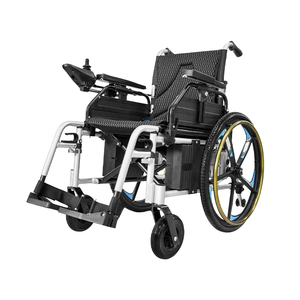
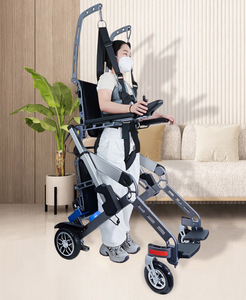
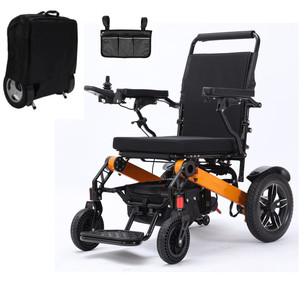
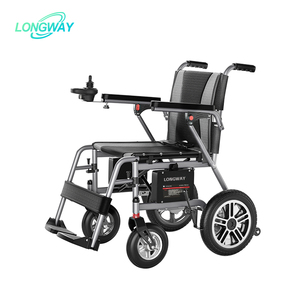
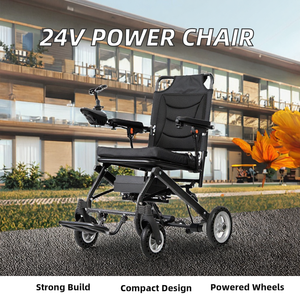
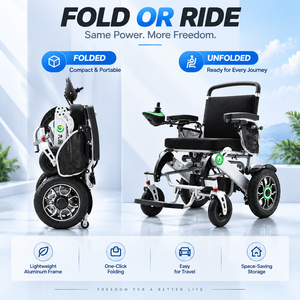
The global demand for high-performance racing wheelchairs, adaptive sports mobility equipment, and ultra-lightweight power assistance frames has undergone a paradigm shift over the past decade. Procurement officers, medical device distributors, and sports rehabilitation organizations evaluating the ecosystem of Top China Racing Wheelchair Factories & Exporters are no longer selecting suppliers based on price point alone. Superior structural kinematics, advanced metallurgy, hydroformed aerodynamic tubing, and strict compliance with international medical device quality standards (ISO 13485, CE MDR, FDA 510k) now form the baseline criteria for global sourcing.
Manufacturers across the Greater China manufacturing nexus, exemplified by industry pioneers such as Eurogreen International Inc. (SupaMobility), have elevated production beyond standard institutional chairs to engineering racing and active-lifestyle mobility vehicles. By combining automated TIG welding for 7005/7075 aircraft-grade aluminum alloy and autoclave carbon-fiber composite layup processes, leading factories produce frames capable of enduring extreme lateral loads while minimizing total weight to under 10 kg for manual racing chassis and under 18 kg for powered sports units.
Analyzing the material science and electromechanical engineering roadmap reveals four critical technological vectors driving modern factory production for export markets:
| Engineering Parameter | Standard Transport Wheelchair | Active Lightweight Power Chair | Pro Racing / Track Wheelchair |
|---|---|---|---|
| Main Frame Material | Q235 Carbon Steel / Standard Alum | 6061-T6 Aircraft Aluminum | 7075-T6 Alum / 3K Carbon Monocoque |
| Wheel Camber Angle | 0° – 3° Vertical | 3° – 6° Ergonomic Camber | 10° – 18° High-Speed Track Camber |
| Target Frame Weight | 14.0 kg – 22.0 kg | 9.5 kg – 14.5 kg (excl. battery) | 5.8 kg – 8.8 kg Ultra-Light Chassis |
| Braking & Steering Integration | Manual Push Rim / Lever Band | 360° Hall-Effect Vector Joystick | Caliper Disc Brakes & Aerodynamic T-Bar |
| Quality Testing Protocol | Basic Static Load Test | ISO 7176 Dynamic Fatigue 200k Cycles | Roller Bench Speed & High-G Impact Test |
B2B buyers, distributors, and mobility brand owners looking to maintain market leadership must align their sourcing strategies with emergent supply chain requirements. The next decade of mobility equipment procurement is defined by three macroeconomic and technological shifts:
Importers are moving away from single-model procurement to standardized chassis platforms. By utilizing modular frame architecture, brand owners can swap manual push-rim assemblies for detachable electric power drives (such as the SupaChair hybrid series) without retooling their core inventory.
With stricter European MDR enforcement and FDA QSR audits, top exporters must provide complete material lot traceability, biocompatibility reports for seating materials, and full EMC testing documentation for electrical controllers. Factories lacking ISO 13485 certification will be filtered out of premium distribution channels.
Advancements in 3D scanning and automated CNC tube bending allow manufacturers to offer customizable seating widths, depth adjustments, and center-of-gravity tuning for batch orders without escalating lead times beyond standard 35-day production cycles.
Integration of smart sensors, posture correction algorithms, and robotic gait training assistance (as seen in modern standing-sitting power chairs) is expanding the total addressable market from basic mobility aids into active rehabilitation robotics.
As a trusted pioneer in mobility scooter and power wheelchair engineering, Eurogreen International Inc. (勝富實業股份有限公司) sets the operational benchmark for global OEM/ODM manufacturing partnerships. Operating across Taiwan and global manufacturing nodes, Eurogreen integrates over two decades of precision mechanical engineering with rigorous medical-grade manufacturing workflows.
Every production batch undergoes multi-stage stress validation: double-drum fatigue testing, dynamic obstacle drop tests, incline battery draw simulations, and climate chamber electronic durability checks.
Fully compliant with FDA, CE, and ISO 13485 international standards. Complete QMS documentation enables smooth customs clearance and regulatory submission for global distributors.
Regularly exhibiting at premier international medical expos including REHACARE Düsseldorf, Germany (Hall 5, Stand J44), providing face-to-face engineering consultations for global partners.
Key considerations for international buyers, medical device importers, and brand owners seeking to source from China and Taiwan racing wheelchair factories.
Specialized racing wheelchair exporters possess high-precision tooling for custom frame geometries (such as high camber angles from 10° to 18°), hydroformed lightweight alloys, and advanced dynamic balancing equipment. Standard suppliers typically focus on heavy steel folding frames with minimal alignment tolerances, whereas racing factories implement strict ISO 7176 fatigue testing and FEA structural stress modeling.
For entry into the United States, medical device registration under FDA 510(k) or 510(k) exempt status under 21 CFR 890.3860 is mandatory, alongside UN38.3 lithium battery safety testing. For European Union markets, products must comply with the Medical Device Regulation (MDR 2017/745), carry the CE mark, and adhere to EN 12184 / ISO 7176 standards. Eurogreen International Inc. maintains complete compliance files for all core models.
Yes. We offer turnkey OEM/ODM solutions including custom frame geometry, specialized paint/anodization finishes, bespoke upholstery branding, custom joystick programming, packaging redesign, and proprietary tooling development for brand owners seeking unique market positioning.
Standard OEM production batches typically start at 20 units for specialized power chairs or racing chassis, while full container load (20ft/40ft HQ) orders offer optimal shipping economics for mobility scooters. Standard manufacturing lead times range from 30 to 45 days upon sample sign-off and deposit receipt.
All lithium-ion batteries used in our folding power chairs utilize premium grade cells with smart Battery Management Systems (BMS) that protect against overcharging, deep discharge, and thermal runaway. Our batteries carry UN38.3, MSDS, and air-transport safety certification, allowing end-users to carry them on commercial flights in accordance with IATA regulations.
Aluminum 7075-T6 offers outstanding tensile strength and toughness at a cost-effective price point, making it the ideal choice for high-end active and training racing wheelchairs. Carbon fiber composite monocoque construction reduces overall frame weight by an additional 15–20% and offers superior vibration damping, but requires higher initial mold tooling investment.
Our Quality Assurance protocol includes 100% incoming raw material inspection (IQC), in-line welding alignment verification (IPQC), 100% functional dynamic road and incline testing, joystick calibration checks, electrical insulation tests, and pre-shipment randomized drum fatigue testing (OQC).
We welcome global distributors to visit our production facilities. Alternatively, partners can schedule engineering meetings with our executive team at major international trade shows such as REHACARE in Düsseldorf, Germany (Hall 5, Stand J44). Online virtual factory tours and live technical demonstrations are also available upon request.