


Whitepaper: Engineering & OEM/ODM Procurement in Bariatric Mobility
The global bariatric healthcare market has undergone a dramatic transformation over the past decade. As demographic data points to rising rates of obesity alongside an aging global population, the commercial demand for specialized, heavy-duty mobility equipment has escalated rapidly. In particular, bariatric electric wheelchairs requiring weight capacities from 350 lbs (160 kg) up to 700 lbs (318 kg) represent one of the fastest-growing categories in medical supply distribution.
For B2B procurement managers, medical device importers, and brand owners, sourcing reliable OEM (Original Equipment Manufacturer) and ODM (Original Design Manufacturer) bariatric wheelchair suppliers is a complex technical challenge. Standard mobility scooters and lightweight wheelchairs are insufficient for bariatric applications; improper frame geometries, inadequate motor torque, and standard seat dimensions compromise safety, structural longevity, and user comfort. Sourcing partners require deep expertise in high-yield structural metallurgy, advanced electronics, dynamic braking systems, and international regulatory compliance (including FDA 510(k), CE MDR 2017/745, and ISO 13485 quality systems).
Core Structural Innovations in Modern Bariatric Wheelchairs
Bariatric mobility engineering requires a fundamentally distinct design architecture compared to standard mobility aids. Eurogreen International Inc. (SupaMobility) integrates aviation-grade structural engineering with precision electronic controls to establish new benchmarks in heavy-duty personal transport.
High-Yield Frame Metallurgy
Utilizing reinforced 6061-T6 aviation aluminum alloy tubing and high-tensile chromoly steel cross-braces. Advanced Finite Element Analysis (FEA) ensures zero frame distortion under continuous 500+ lb dynamic load stress tests.
Dual High-Torque Hub Motors
High-efficiency brushless hub and gear-reduction motors tailored for bariatric payload launch torque. Maintains consistent 8 to 12-degree incline climbing performance without thermal shutdown or motor degradation.
ESC & Anti-Tip Safety Architecture
Integrated Electronic Stability Control (ESC) prevents dynamic side-rollover during high-radius turns. Intelligent electromagnetic regenerative braking systems guarantee immediate stopping response on slopes.
Future B2B Procurement Trends in Heavy-Duty Mobility (2025–2030)
As international healthcare distributors re-evaluate supply chain resilience and product portfolios, several key market trends are defining the future of bariatric wheelchair procurement:
1. The Shift Toward Modular Foldable Heavy-Duty Chassis
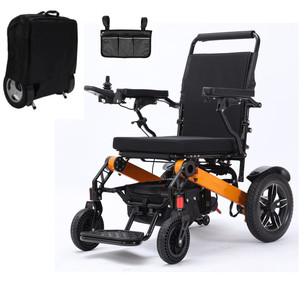
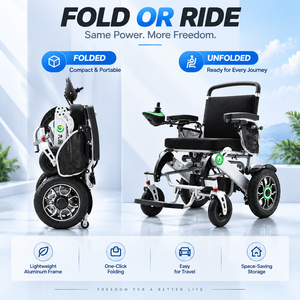
Historically, heavy-duty bariatric power chairs were non-foldable, bulky, and weighed over 100 kg (220 lbs), requiring specialized wheelchair-accessible vans with hydraulic lifts. Modern end-users and healthcare providers demand lightweight yet heavy-duty foldable mobility solutions. Next-generation OEM designs leverage disassembling modular frames or automatic one-touch folding mechanisms. By dividing the chassis weight into manageable components (such as detachable battery packs and quick-release rear drive wheels), transportation in standard automobile trunks becomes effortless without compromising load capacity.
2. UN 38.3 & Air-Travel Standardized Lithium Battery Integration
Lead-acid (AGM/Gel) batteries are rapidly being phased out by premium international importers due to weight penalties and short cycle lifespans. Advanced bariatric wheelchairs now feature dual UN38.3-certified safe Lithium Iron Phosphate (LiFePO4) or high-density Lithium-ion packs. Intelligent Battery Management Systems (BMS) protect cells against overcharge, deep discharge, and thermal runaway, while enabling airline-compliant rapid transport options for active users.
3. Customized Ergonomics & Anatomical Load Distribution
One size does not fit all in bariatric rehabilitation. Modern ODM manufacturing programs emphasize custom seat width configurations ranging from 20 inches (51 cm) up to 30 inches (76 cm), coupled with multi-density memory foam cushioning, memory contour backrests, and adjustable center-of-gravity (CG) wheel positions. Proper load distribution prevents pressure ulcers (decubitus ulcers) and ensures postural stability during extended seated hours.
Technical Benchmark Comparison: Standard vs. Bariatric Wheelchairs
To assist procurement committees and B2B buyers in finalizing product specifications, the table below highlights essential technical parameters comparing standard electric wheelchairs against specialized OEM bariatric models:
| Engineering Parameter | Standard Power Wheelchair | OEM Bariatric Power Wheelchair | B2B Advantage / Impact |
|---|---|---|---|
| Weight Payload Capacity | 100 kg – 120 kg (220–265 lbs) | 180 kg – 300 kg (400–660 lbs+) | Serves high-BMI user base & hospital rehabilitation sectors |
| Frame Tubing & Wall Thickness | 1.2 mm - 1.5 mm Aluminum | 2.0 mm - 3.2 mm 6061-T6 / Chromoly | Prevents frame bending, weld fractures & dynamic sag |
| Motor Configuration | Dual 180W - 250W Motors | Dual 350W - 600W High-Torque Motors | Ensures climbing power without motor thermal trip |
| Seat Width Dimensions | 16" - 18" (40 cm - 45 cm) | 20" - 30" (50 cm - 76 cm) Customizable | Optimal comfort, preventing lateral pressure sores |
| Braking & Safety Control | Standard Electromagnetic Brake | Dual Electro-Brake + ESC Anti-Roll Mechanism | Superior incline hold & cornering safety under max load |
| Control Electronics | 30A - 45A Standard Controller | 50A - 90A Heavy-Duty Intelligent Controller | Smooth acceleration curves & high peak amp capacity |
Product Development & Technological Trends in Bariatric Mobility
Innovation in bariatric mobility extends beyond sheer load-bearing capacity. The integration of digital telematics, robotics, and smart ergonomics is redefining user independence and fleet maintenance efficiency.
Intelligent Power Assist & Gait Training Integration
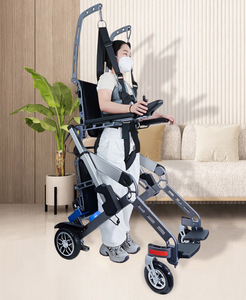
As illustrated by multipurpose standing-sitting robotics (such as model 4 in our lineup), modern wheelchairs are transforming into active rehabilitation tools. Intelligent gait training sensors, powered sit-to-stand actuators, and remote-control attendant interfaces empower both patients and healthcare attendants. These features reduce physical strain on caregivers while enabling physical therapy routines directly within home or clinical environments.
IoT Telematics & Fleet Remote Diagnostics for Distributors
For large-scale medical equipment rental fleets and hospital suppliers, downtime equals lost revenue. Advanced ODM wheelchair developments incorporate IoT tracking, CAN-bus communication modules, and automated remote battery health telemetry. Distributors can proactively monitor controller error codes, battery state-of-health (SoH), and usage hours, drastically reducing aftermarket service overhead.
Why Partner with Eurogreen International Inc. (SupaMobility)?
Eurogreen International Inc. (operating standard-setting brands including SupaMobility, SupaScoota, and SupaChair) is a pioneer in portable mobility scooters and high-capacity power wheelchairs. Based in Taiwan with decades of manufacturing heritage, we provide global importers and brand owners with total OEM/ODM turn-key capabilities.
Full medical device quality management system compliance. Products carry FDA, CE MDR, and ISO certifications for fast global market entry.
From custom chassis dimensions, specialized color palettes, private labeling, to tailored motor-controller tuning, we realize your exact product specification.
Every unit undergoes dynamic roller bench testing, steep gradient endurance trials, dynamic impact drop tests, and simulated long-range battery stress analysis.
Frequently Asked Questions (FAQ) for B2B Buyers & Distributors
Expand Your Medical Mobility Lineup with Certified OEM/ODM Solutions
Partner with Eurogreen International Inc. for industry-leading engineering, custom branding, and reliable bariatric wheelchair manufacturing support. Request technical specifications, wholesale catalogs, or project quotes today.
Inquire Now