


High-performance electric standing wheelchairs and portable power mobility devices precision-engineered for international medical suppliers and distributors.
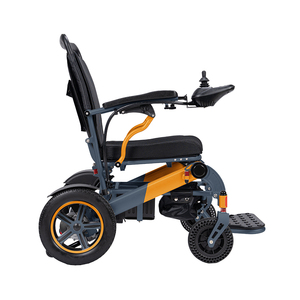
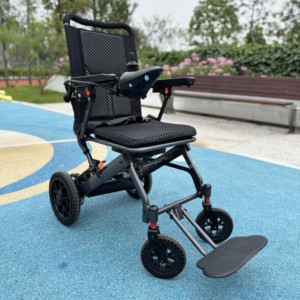
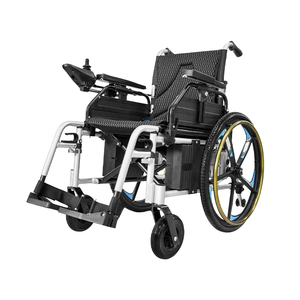
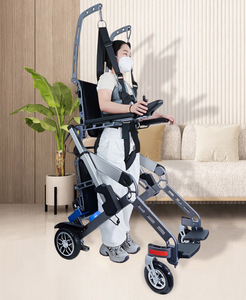
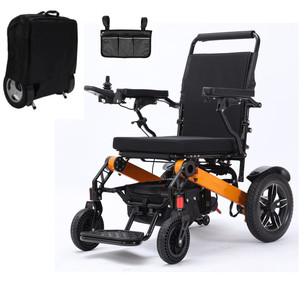
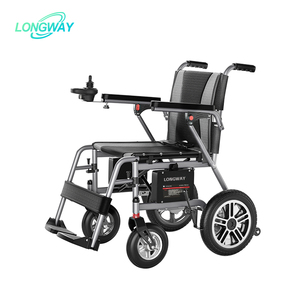
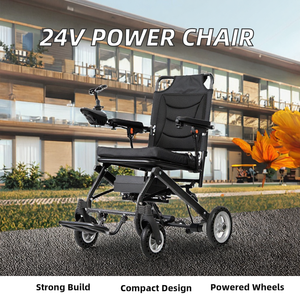

The global market for advanced personal mobility solutions is experiencing a structural transition. As demographic shifts accelerate demand for specialized medical equipment across North America, Europe, and Asia-Pacific, procurement officers, institutional buyers, and rehabilitation device brands face a critical mandate: sourcing high-reliability, certified, and cost-effective electric standing wheelchairs and power mobility devices.
As a specialized OEM/ODM manufacturer anchored by over two decades of mechanical engineering mastery, Eurogreen International Inc. (operating under the global SupaMobility, SupaScoota, and SupaChair portfolio) bridges the gap between high-precision Taiwanese engineering standards and scalable Chinese manufacturing efficiency. Sourcing standing wheelchairs requires more than evaluating initial unit cost; it demands strict verification of linear actuator reliability, structural frame load capacities under dynamic weight shifting, electromagnetic safety protocols, and regulatory compliance frameworks including FDA 510(k), CE Medical Devices Regulation (MDR 2017/745), and ISO 13485.
Information Gain Key Metric: Standing wheelchairs must withstand over 15,000 continuous full-elevation load cycles while maintaining center-of-gravity stabilization within a <3% variance. Our integrated Electronic Stability Control (ESC) and dual-actuator kinematics set the benchmark for global OEM reliability.
Analyzing the core engineering shifts transforming electric standing wheelchairs and motorized mobility devices through 2030.
Traditional standing wheelchairs relied heavily on manual gas-spring assistance, which placed physical strain on users and caregivers. The modern wholesale standard mandates dual-servo linear actuators coupled with micro-controller feedback loops. This architecture enables smooth, stepless sit-to-stand transitions while preserving user posture.
Furthermore, synchronization algorithms adjust front-wheel lockout brakes during the elevation sequence, eliminating tipping hazards during weight redistribution.
Standing wheelchairs are evolving from static mobility aids into active robotic rehabilitation platforms. Advanced models incorporate lower-limb gait assistance module connectors, enabling early-stage rehabilitation for neurological, spinal cord, and stroke recovery patients.
Passive joint loading during standing promotes bone density maintenance, mitigates decubitus pressure ulcers, improves renal clearance, and enhances cardiovascular circulation.
Lead-acid batteries are rapidly being phased out by institutional procurement mandates due to weight, slow charge cycles, and environmental disposal costs. High-energy-density Lithium Iron Phosphate (LiFePO4) chemistry leads the market.
Integrated Smart Battery Management Systems (BMS) offer over-charge, deep-discharge, and thermal runaway prevention, ensuring full compliance with IATA UN38.3 standards for commercial air travel transportation.
Elevating a user changes the center of gravity drastically. The latest generation of standing wheelchairs utilizes multi-axis gyroscopic sensors that feed real-time inclination data into an onboard ESC system.
If an incline exceeds safe thresholds (>6 degrees while fully upright), the system automatically limits speed, restricts further elevation, and triggers soft-braking to protect the rider against tip-over events.
Strategic procurement considerations for medical equipment distributors navigating supply chains, tariffs, and regulatory updates.
Procuring medical mobility equipment from Chinese manufacturing hubs requires evaluating macro-level supply chain dynamics. B2B buyers must shift from transactional purchasing to strategic OEM/ODM partnerships built around transparency and engineering agility.
| Procurement Metric | Legacy Sourcing Model | Next-Gen Sourcing Benchmark (2025–2030) |
|---|---|---|
| Frame Architecture | Heavy Carbon Steel Tubing | Hydroformed 6061-T6 Aircraft Aluminum & Carbon Composites |
| Motor Technology | Brushed DC Motors with Gear Noise | Brushless Direct-Drive Hub Motors with Regenerative Braking |
| Compliance Verification | Basic Factory Self-Declaration | ISO 13485 Audited, FDA 510(k), CE MDR Certified Third-Party Labs |
| Customization (OEM/ODM) | Fixed Factory Standard Models | Modular Chassis, Custom Programming, Private Branding & Packaging |
| Quality Control Testing | Visual Inspection / Batch Sampling | 100% Roller Bench Load Testing & Electronic Burn-in Simulation |
Merging precision design philosophy with scalable, certified manufacturing capabilities.
Our manufacturing facilities operate under stringent Medical Device Quality Management Systems. Every unit undergo dynamic roller bench testing, hill-climb stall testing, and electrical safety validation prior to container loading.
We offer comprehensive white-label production for international brand owners. From custom frame geometries, specialized paint finishes, and custom controller programming to branded multi-language packaging.
We maintain dedicated spare parts buffer stock for authorized distributors. All lithium battery options come with complete MSDS, UN38.3, and sea/air freight hazard certification for frictionless global shipping.
Technical, regulatory, and commercial clarifications for importers and wholesale purchasers.
Connect directly with our engineering and international sales team to discuss bulk procurement discounts, OEM/ODM customization options, and global dealership opportunities.