
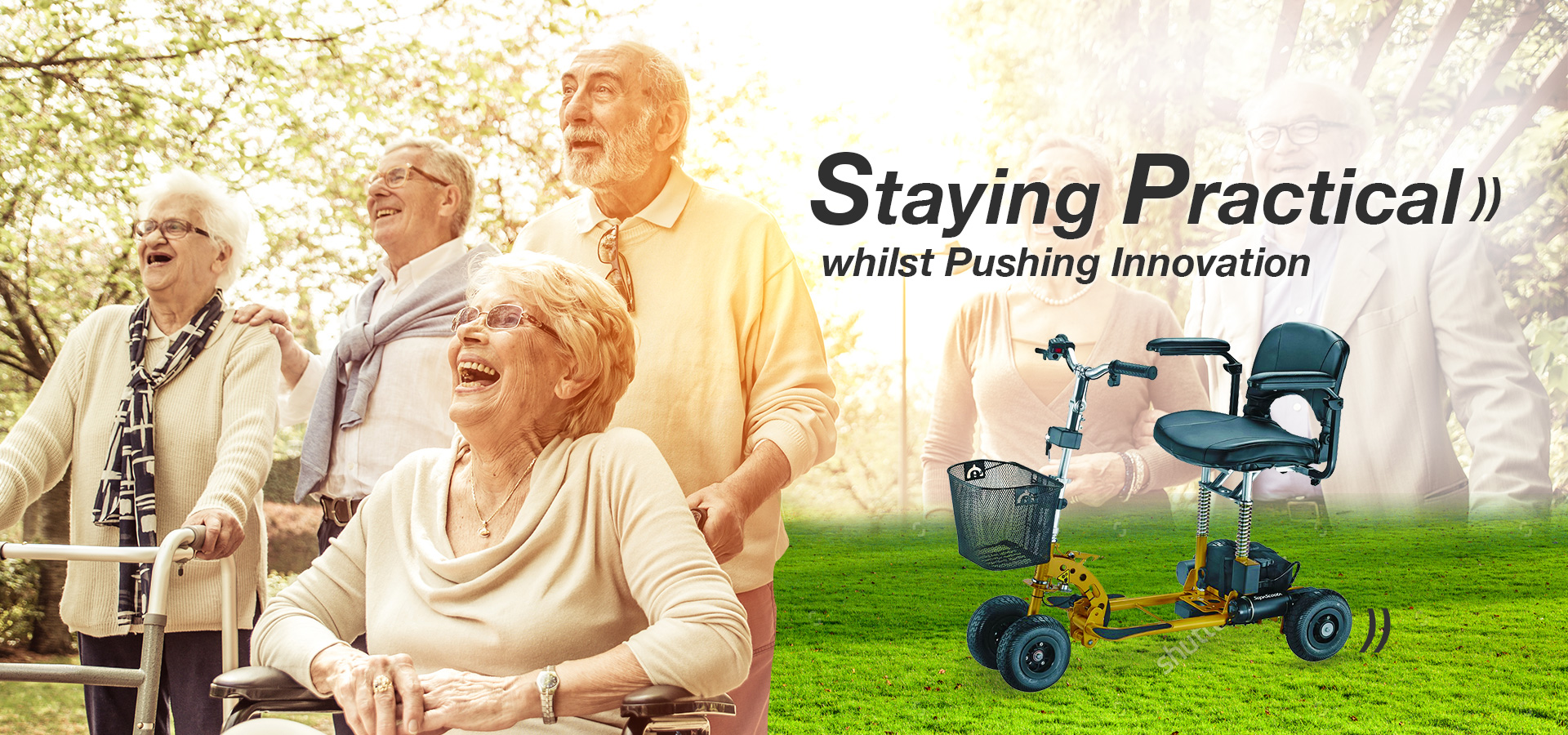
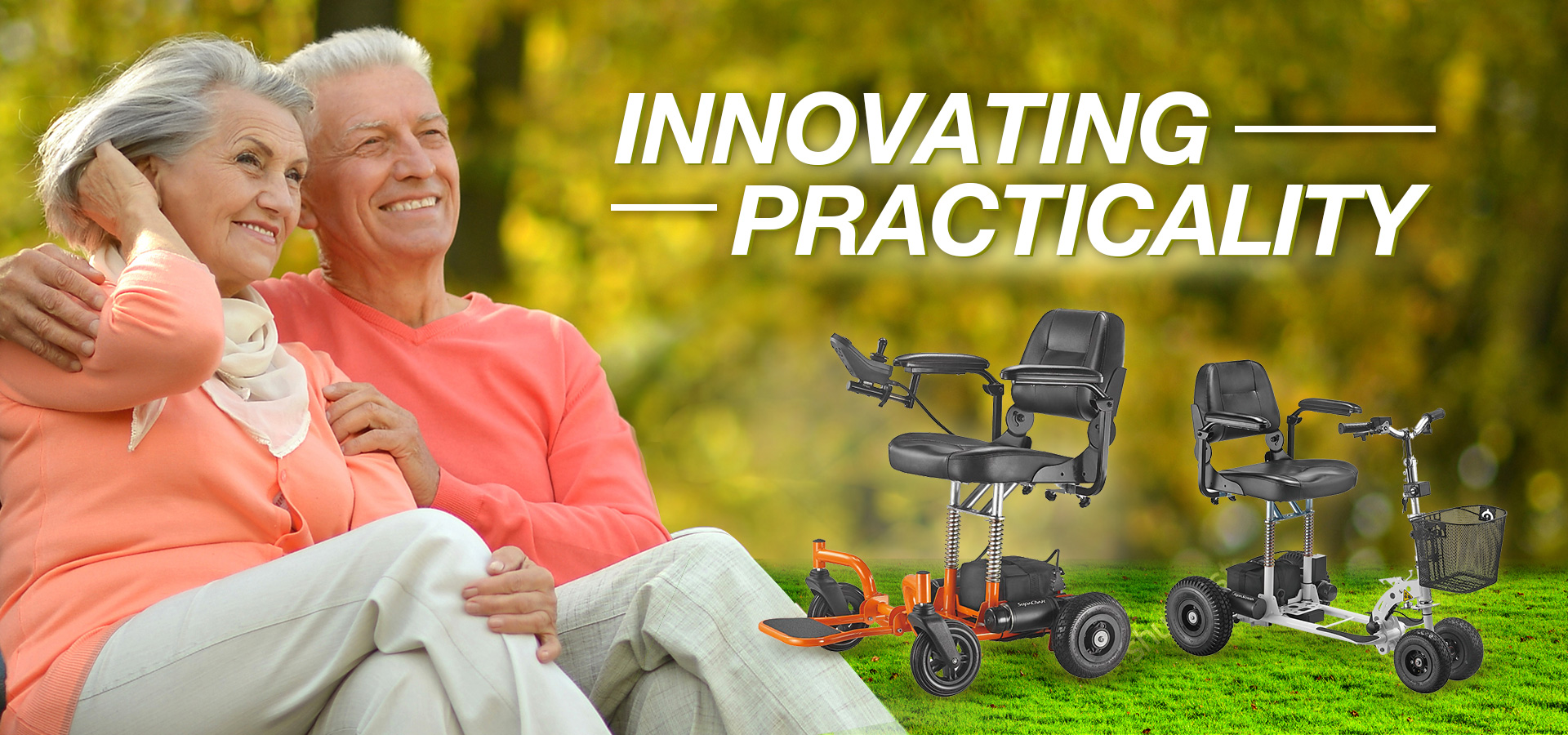
A comprehensive B2B technical guide for medical equipment importers, distributors, and healthcare procurement agencies evaluating aluminum alloy electric wheelchairs and mobility scooters manufactured in China.
The global personal mobility market is undergoing a structural transition toward ultra-lightweight, high-strength powered wheelchairs. Driven by aging demographics, expanding active-living expectations among individuals with physical impairments, and stringent airline transport regulations, global B2B buyers are replacing traditional carbon-steel wheelchairs with advanced aluminum alloy architectures. As a premier China wholesale aluminum wheelchair manufacturer and exporter, Eurogreen International Inc. (operating under the SupaMobility flagship) provides high-gain technical specifications and industrial OEM/ODM capabilities designed to meet the rigorous standards of international medical markets.
Aluminum alloy wheelchair manufacturing relies heavily on metallurgy, structural geometry optimization, precise robotic TIG/MIG welding, and advanced battery management systems (BMS). By leveraging 6061-T6 heat-treated aluminum-magnesium-silicon alloys, modern electric wheelchairs deliver tensile yields exceeding 240 MPa while paring net structural chassis weight by up to 40% compared to legacy steel models. This white paper serves as an authoritative operational document covering engineering benchmarks, future market procurement trends, custom OEM/ODM workflows, regulatory compliance frameworks, and product recommendation matrices.
Explore our export-ready, CE/FDA/ISO certified aluminum power wheelchairs and mobility scooters tailored for global distribution networks.
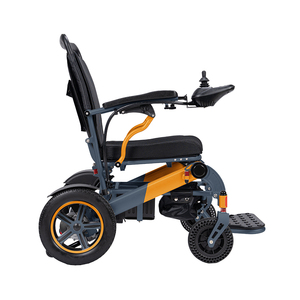
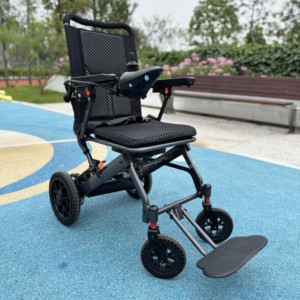
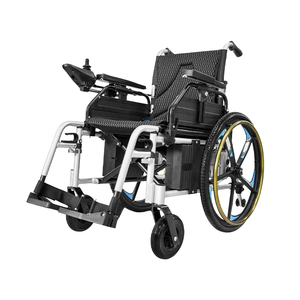
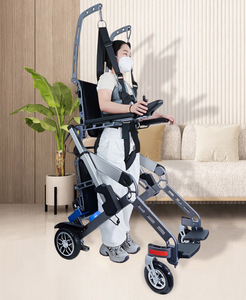
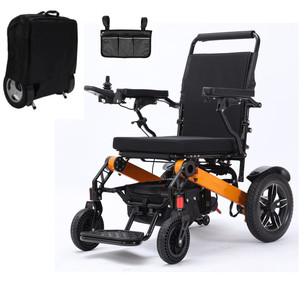
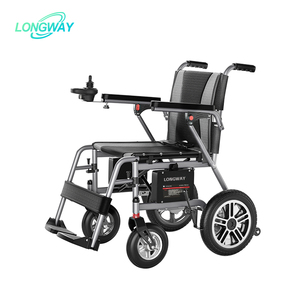
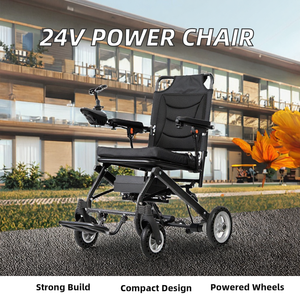
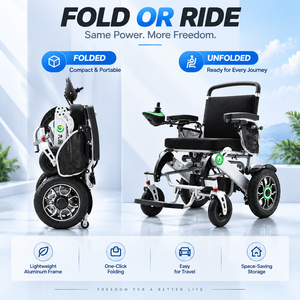
The core structural superiority of modern wholesale wheelchairs stems from alloy selection and stress-frame distribution. While commercial-grade 6063 aluminum is frequent in basic hardware applications, premium medical devices utilize heat-treated 6061-T6 aluminum tubing. This alloy provides an optimal strength-to-weight ratio, featuring magnesium and silicon as its primary alloying elements.
Through Finite Element Analysis (FEA) testing, chassis geometries are optimized to absorb dynamic road vibration while retaining a high payload capacity (ranging from 120 kg to 180 kg in heavy-duty variants). Robotic TIG welding eliminates heat-affected zone (HAZ) structural embrittlement, ensuring that the wheelchair frame handles repeated folding mechanics over tens of thousands of cycles without fatigue failure.

How our factory delivers high information gain and product differentiation for international B2B buyers.
Utilizing high-tensile 6061-T6 aviation aluminum alloy for ultimate corrosion resistance, structural rigidity, and lightweight transport feasibility under 22kg net weight.
Dual brushless hub motors providing 85%+ energy efficiency ratios, silent operation, zero carbon brush wear, and automatic electromagnetic slope braking safety.
Quick-release Lithium NCM / LiFePO4 battery modules equipped with smart BMS overcurrent, thermal runaway protection, and airline transport clearance.
Integrated anti-rollover sensor arrays and smart dynamic cornering speed deceleration algorithms engineered specifically for elderly user safety.
High-density memory foam padding, breathable antimicrobial honeycomb upholstery, adjustable backrest inclines, and flip-up armrests for seamless lateral transfers.
Factory production strictly aligned with ISO 13485 Quality Management Systems, FDA 510(k) clearances, CE MDR (EU 2017/745), and EN 12184 testing standards.
For B2B wholesalers and brand owners, surviving market shifts requires aligning inventory with major upcoming technology adoption cycles. Key procurement drivers include:
1. Integration of Robotic Assistance & Smart Telemetry: Next-generation powered wheelchairs are moving beyond simple manual joysticks. Demand is accelerating for standing-sitting hybrid mobility aids, gait training assistance systems, and IoT telematics that report battery health, geolocation, and fall detection metrics directly to healthcare providers.
2. Lithium Iron Phosphate (LiFePO4) Transition: While NCM lithium provides high energy density, LiFePO4 chemistry is gaining traction in commercial fleets due to its 2,000+ cycle life, thermal stability, and non-toxic material sourcing.
3. Ultra-Portable One-Touch Folding Systems: End-users increasingly prioritize single-motion automatic folding (via remote or app control). Importers prioritizing compact, auto-folding frames enjoy faster inventory turns and higher retail margins.
4. Total Cost of Ownership (TCO) & Modular Servicing: Global distributors demand modular component replacement. Standardized motor harnesses, plug-and-play controllers (such as PG Drives / Dynamic Controls compatible pinouts), and universal quick-release wheels significantly lower warranty service costs.
Why leading global brands choose Eurogreen International Inc. / SupaMobility as their primary manufacturing supplier.
Founded with a dedication to practical innovation and continuous improvement, Eurogreen International Inc. operates state-of-the-art production facilities optimized for custom wheelchair engineering. Our manufacturing infrastructure includes automated CNC tube bending, 3D laser cutting, robotic welding cells, and computerized powder-coating lines.
Every batch of aluminum wheelchairs leaves our facility only after undergoing rigorous quality assurance protocols:

Essential technical and commercial information for wholesale wheelchair buyers and distributors.
Partner directly with a leading China wholesale aluminum wheelchair manufacturer and exporter. Contact our engineering and sales consultancy team for instant quotes, factory audit reports, and sample requests.