


Executive Sourcing Summary: Navigating global barrier-free access regulations requires strict adherence to international safety parameters. As a premier CE-certified wheelchair ramp manufacturer and mobility solution partner, Eurogreen International Inc. (SupaMobility) provides medical equipment distributors, municipal infrastructure contractors, and B2B importers with certified high-grade structural aluminum accessibility ramp systems, power wheelchairs, and folding mobility transporters engineered under ISO 13485 Quality Management Protocols.
High-performance portable wheelchair units, telescopic access vehicles, and heavy-duty electric mobility solutions tested for CE, FDA, and ISO compliance.
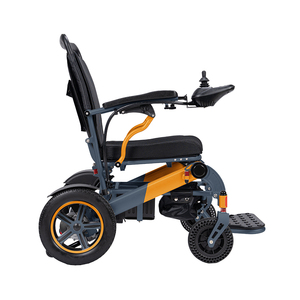
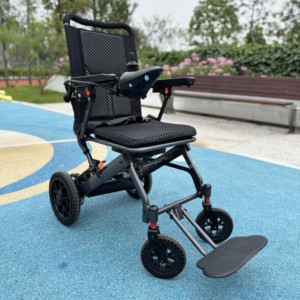
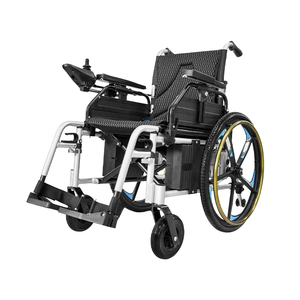
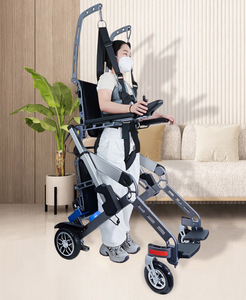
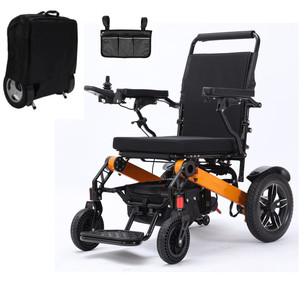
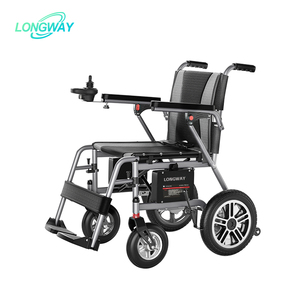
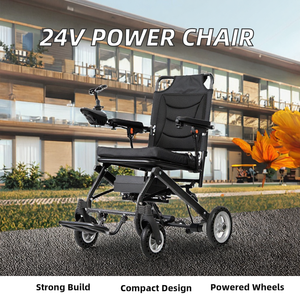
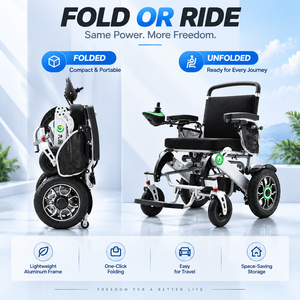
In the commercial accessibility sector, specifying ramps and associated mobility access equipment requires a rigorous understanding of structural engineering, material mechanics, and international regulatory mandates. Under European Conformity guidelines—specifically CE Directive 93/42/EEC, updated under EU MDR 2017/745 (Medical Device Regulation) and EN 1398 (Dock Levellers & Ramps)—wheelchair ramps manufactured for public, residential, and transport applications must meet strict mechanical integrity parameters to eliminate catastrophic stress failure during load transitions.
Leading wheelchair ramp factories rely primarily on high-tensile 6061-T6 aluminum extrusion alloys. Compared to mild structural steel (Q235/Q345) or standard grade commercial aluminum (6063), T6-tempered 6061 aluminum provides a yield strength exceeding 240 MPa (35,000 psi) and ultimate tensile strength of 290 MPa (42,000 psi). This high strength-to-weight ratio allows OEM ramp factories to manufacture portable bi-fold, tri-fold, and telescopic ramp units that maintain high structural rigidity while remaining light enough for manual deployment by care attendants.
For specialized military, medical transport, or heavy-duty commercial van ramp conversion systems, advanced manufacturers integrate Carbon Fiber Reinforced Polymers (CFRP) into longitudinal load-bearing ribs. CFRP elements reduce tare weight by up to 40% compared to equivalent aluminum extrusions while elevating fatigue endurance under continuous cycling.
Punched diamond-mesh patterns and continuous extruded serrations achieve an R13 slip resistance rating under DIN 51130, ensuring positive tire grip even under wet or icy conditions.
All CE certified ramps must demonstrate a minimum 4:1 static-to-dynamic load safety factor via Finite Element Analysis (FEA) modeling to prevent plastic deformation.
Anodized coatings (15–25 μm thickness) or polyester powder coatings pass 1,000-hour ASTM B117 salt spray testing for harsh coastal and outdoor installations.
Determining the required ramp length for residential threshold, commercial building entry, or transport vehicle ingress is governed by strict accessibility codes (ADA Standards in North America, EN 12182 / BS 8300 in Europe). The maximum safe slope gradient dictates both the user's manual effort and the braking performance of motorized powerchairs.
| Ramp Application | Maximum Slope Incline | Rise Height (mm) | Minimum Ramp Length | Recommended User Type |
|---|---|---|---|---|
| ADA Commercial Baseline | 1:12 (4.8° / 8.3%) | 300 mm (12 in) | 3,600 mm (12 ft) | Unassisted Manual & Electric Powerchairs |
| EU Standard Residential | 1:10 (5.7° / 10.0%) | 450 mm (18 in) | 4,500 mm (15 ft) | Power Wheelchairs & Attendant Assisted |
| Compact Vehicle Van Loading | 1:6 to 1:8 (7.1°–9.5°) | 600 mm (24 in) | 3,600 to 4,800 mm | High-Torque Motorized Wheelchairs Only |
| Emergency Threshold Steps | 1:5 (11.3° / 20.0%) | 150 mm (6 in) | 750 mm (2.5 ft) | Short Rise Curb Transition Ramps |
B2B Sourcing managers must evaluate material characteristics based on logistics weight, mechanical fatigue thresholds, and end-user deployment scenarios. The table below presents a comparative analysis of key engineering alloys used across global ramp factories.
| Material Classification | Tensile Strength (MPa) | Density (g/cm³) | Corrosion Resistance | B2B Cost Index | Lifecycle Endurability |
|---|---|---|---|---|---|
| 6061-T6 Aircraft Aluminum | 290 - 310 | 2.70 | Excellent (Anodized) | Moderate (Optimal) | 15+ Years / 100,000 Cycles |
| Carbon Fiber Composite (CFRP) | 600 - 1500 | 1.55 | Immune to Rust | High (Premium Sourcing) | 20+ Years / Ultra-Light |
| Structural Mild Steel (Q235) | 370 - 500 | 7.85 | Moderate (Requires Paint) | Low (Heavy Weight) | 8-10 Years (Outdoor Wear) |
| Fiberglass Reinforced Plastic (FRP) | 200 - 400 | 1.80 | High Chemical Proof | Moderate | 10+ Years (UV Sensitive) |
As global demographics shift toward an aging population and international accessibility standards enforce universal design principles in public infrastructure, the demand for CE-certified wheelchair ramps and integrated mobility equipment is experiencing unprecedented evolution. Sourcing directors and OEM importers must align their procurement strategies with four key technical macro-trends:
Next-generation commercial ramps incorporate IoT strain gauges and inclination sensors that alert operators if a ramp's safe dynamic load limit or operational angle is exceeded.
Vehicle-mounted access ramps are shifting from manual fold-out mechanisms to automated low-profile under-floor linear actuator systems triggered via wireless remote control.
ESG compliance mandates are driving global buyers to source ramps made from 80%+ recycled aluminum, reducing embodied carbon footprints by up to 65% per unit.
When evaluating prospective wheelchair ramp factories in Taiwan, Mainland China, or Southeast Asia, procurement teams must conduct rigorous supplier audits covering the following non-negotiable milestones:
Eurogreen International Inc. (SupaMobility) stands at the forefront of lightweight mobility engineering and accessibility design. Operating out of our advanced manufacturing hub in Changhua County, Taiwan, our enterprise blends over 25 years of electromechanical innovation with uncompromising quality control standards.
The Eurogreen Advantage: Our state-of-the-art facility integrates specialized robotic aluminum TIG welding rigs, CNC extrusion milling, automatic powder-coating lines, and an in-house dynamic load testing laboratory. We serve as a trusted OEM/ODM manufacturing partner for leading medical device brands across North America, Europe, the United Kingdom, Australia, and East Asia.
Our entire production pipeline operates under strict ISO 13485 Quality Management System controls, ensuring full traceability from raw alloy billets to finished packaged units.
From initial FEA CAD modeling to rapid 14-day aluminum prototype extrusion, our engineering team assists brand partners in bringing custom access products to market fast.
Equipped with complete FDA registration, CE declarations, UN38.3 lithium battery safety certifications, and streamlined FCL container logistics support.
Essential technical and regulatory answers for B2B importers, distributors, and municipal buyers.
A legitimate CE certified supplier must provide a formal Declaration of Conformity (DoC) referencing relevant standards such as EN 12182 (Assistive products for persons with disability) and EN 1398 (Ramp safety). Additionally, factories should supply third-party mechanical load test reports (verifying dynamic/static weight ratings) and slip-resistance test certificates under DIN 51130 (R10–R13 ratings).
Ramp length is determined by measuring total vertical rise height and dividing by the targeted slope ratio. Under standard ADA commercial guidelines (1:12 slope), every 1 inch (25.4 mm) of vertical rise requires 1 foot (304.8 mm) of continuous ramp length. For powerchairs operating on private residential steps, a 1:10 or 1:8 slope ratio may be utilized depending on motor gradient ratings.
Static load capacity refers to the maximum stationary weight a ramp structure can support without permanent deformation. Dynamic load rating measures the maximum weight a ramp can sustain while a heavy motorized wheelchair or occupant is actively moving across the surface, creating dynamic kinetic forces and vibration stress. CE standards require a 4:1 safety factor based on dynamic load conditions.
Eurogreen International Inc. provides complete OEM/ODM customization services, including custom aluminum extrusion widths, adjustable telescopic locks, custom anodized or powder-coated color finishes, laser-etched brand logos, specialized non-skid surface tread patterns, and custom retail packaging designed for international distribution.
Punched diamond-patterned aluminum extrusions and integrated serrated grooves offer superior longevity because the slip-resistant texture is part of the physical metallic structure. While adhesive grip tape can peel or degrade under severe UV exposure and frost, punched metal surfaces maintain an R13 slip rating indefinitely without requiring replacement.
Under EU MDR 2017/745, wheelchair ramps and specialized accessibility transporters engineered specifically for mobility-impaired individuals are categorized as Class I Medical Devices. Factory compliance requires robust risk management documentation under ISO 14971, post-market surveillance plans, and unique device identification (UDI) tracking.
Wheelchair ramps and mobility access structures typically fall under HS Code 8714.20 (Parts and accessories of carriages for disabled persons) or HS Code 7610.90 (Aluminum structures and parts). Motorized wheelchairs and integrated ramp vehicles are classified under HS Code 8713.90 (Carriages for disabled persons, motorized).
Standard production lead times for FCL orders (20ft/40ft HQ containers) range from 30 to 45 calendar days following final drawing sign-off and deposit receipt. Custom OEM prototype samples involving new aluminum extrusion tooling can be produced within 14 to 21 business days.