Choosing a mobility scooter in 2026 involves more than comparing weight and price. Lightweight Mobility Scooters can improve daily independence, especially for shopping trips, appointments, and short outdoor journeys. Yet a lighter frame does not always mean a better experience. Battery range, seat support, turning space, and folding effort can matter more than a few saved kilograms.
Imagine lifting the scooter into a car boot after rain. Can you manage the handle comfortably? Does the battery detach without tools? Will the wheels handle a supermarket threshold or uneven pavement? These practical details reveal how a scooter may perform beyond a showroom floor. Reliable product information should include tested weight, maximum user load, charging time, warranty coverage, and service access. Manufacturer claims deserve careful checking.
Comfort remains personal. A narrow seat may feel efficient but become tiring after thirty minutes. Small solid wheels can simplify maintenance, although they may transmit more vibration. Pneumatic tyres can soften the ride but require regular pressure checks. There is no perfect model.
That is worth remembering.
This guide explains how to compare Lightweight Mobility Scooters with clear, realistic criteria. It considers portability, stability, battery performance, controls, safety features, and long-term ownership. Advice from clinicians, mobility specialists, experienced users, and manufacturer documentation can support better decisions. Still, individual needs vary, and online specifications cannot replace a supervised test ride. A thoughtful choice balances independence, physical ability, transport habits, and the places you actually visit.
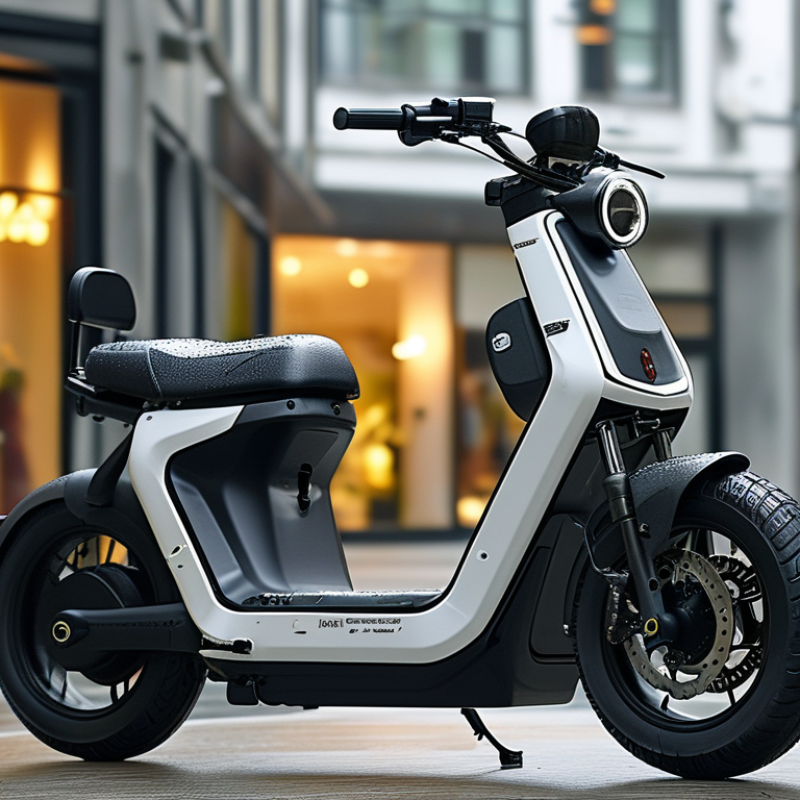
Define Your Mobility Needs and Daily Travel Conditions
Choosing a lightweight mobility scooter should begin with your real daily routine, not its advertised weight. Think about where you travel: narrow hallways, uneven sidewalks, shopping aisles, or steep driveway edges. Measure the doorway. Check the elevator width, turning space, and storage area before comparing models.
Your travel distance also matters. A short indoor trip may need a compact frame and tight turning radius. Longer outdoor journeys require dependable battery capacity, comfortable seating, effective brakes, and suitable ground clearance. Weather changes everything. Rain, cold temperatures, and rough pavement can affect handling and battery performance. If you often place the scooter in a car, check its heaviest removable part, not only the total weight.
A qualified occupational therapist or mobility specialist can assess posture, balance, hand strength, and transfer ability. Manufacturer specifications should confirm maximum user weight, charging time, range conditions, and safety features. Local transport rules may also affect where the scooter can be used. A common mistake is choosing the lightest option without considering stability or seat support. That choice can become uncomfortable after twenty minutes outside. Be honest about your weakest travel day, not your best one. You may need help lifting the scooter, even when the product seems manageable in a showroom. Test it over your actual route when possible, and leave room for changing needs.
Compare Scooter Weight, Portability, and Folding Mechanisms
Choosing a lightweight mobility scooter in 2026 requires more than checking the lowest listed weight. Grand View Research’s 2024 analysis projects the mobility scooter market to grow at about 6.9% annually through 2030. That growth reflects demand for easier transport, not simply smaller products. Weight matters. A 17-kilogram scooter may lift easily, but its narrow wheels can feel unstable on uneven pavement.
Compare the heaviest removable part, not only the total scooter weight.
Many folding models include batteries that add several kilograms. Lithium battery weight varies by capacity, while airline and transport rules may impose additional limits. Check the battery separately. Measure twice. A 2022 World Health Organization report estimates that 1.3 billion people experience significant disability worldwide, so practical accessibility should remain central to product design. A scooter should fit a car boot, doorway, and storage corner without forcing awkward lifting.
Folding mechanisms also differ sharply. One-hand automatic folding saves effort, but its motor and hinges can increase weight and maintenance needs. Manual folding is often lighter, though it demands stronger grip and balance. ISO 7176-5 provides methods for measuring scooter dimensions and mass, making standardized specifications more useful than promotional labels. In a simple home test, fold the scooter beside the vehicle, lift its heaviest section, and roll it over a door threshold. I would not trust a perfect showroom demonstration alone. Real floors are less forgiving.
Verify Dimensions, Weight Capacity, Accessibility, and Support Services
Choosing a lightweight mobility scooter in 2026 requires more than checking its listed weight. Measure the folded frame, seat width, handlebar height, and turning radius before ordering. A scooter may fit a car boot but still block a narrow hallway. Use a tape measure at home. I once underestimated door clearance by two centimeters, and that small error made daily use frustrating. Check battery placement too, because it can change lifting balance.
Weight capacity should include the rider, clothing, shopping, and any portable oxygen equipment. Do not rely only on a rounded catalog figure. Ask for the tested limit, gradient guidance, and expected range under realistic loads. Cold weather, hills, and frequent stops can reduce travel distance. A higher-capacity model may be heavier, so portability and stability need a careful compromise. It is easy to favor the lightest option and regret it later.
Accessibility details deserve a hands-on check whenever possible. Test the tiller controls, seat transfer height, brake response, and folding mechanism. Can you operate them with limited grip or reduced shoulder movement? Look for clear instructions, replacement parts, battery servicing, and trained repair support. Confirm response times, warranty terms, and service coverage in your area. Independent user groups and qualified mobility professionals can reveal issues that sales pages miss. I would also request a short trial, because written specifications never show every awkward movement.
How to Choose Lightweight Mobility Scooters in 2026?
Compare the practical specifications that matter most for transport, daily accessibility, and safe user fit. Values are representative screening benchmarks derived from commonly published lightweight mobility-scooter specifications, not brand ratings.
How to use this chart: Confirm the scooter’s actual folded dimensions against your vehicle, doorway, lift, and storage space. Check that the stated weight capacity exceeds the user’s total weight, including clothing and personal items. Also verify battery transport rules, local accessibility conditions, warranty coverage, spare-parts availability, and service response times before purchasing.
Conclusion
Choosing the right Lightweight Mobility Scooters begins with understanding your personal mobility needs, daily destinations, and travel conditions. Consider whether you mainly use the scooter indoors, on smooth sidewalks, or across uneven outdoor surfaces. Compare overall weight, portability, and folding mechanisms to determine how easily it can be lifted, stored, or transported. Battery range and charging options should also match your typical travel distance, while convenient charging access can make regular use simpler.
Safety, comfort, stability, and maneuverability are equally important. Look for supportive seating, responsive controls, effective braking, suitable lighting, and a turning radius that fits your usual environment. Before purchasing, verify the scooter’s folded and unfolded dimensions, weight capacity, and accessibility for storage or transportation. Finally, review the availability of maintenance, replacement parts, warranty coverage, and customer support. A thoughtful comparison of these factors can help you select a practical scooter that fits your lifestyle and provides dependable mobility in 2026.