
SupaMobility Knowledge Hub and Blog Banner
News & Insights

Mobility Solutions & Industry Blog

Expert articles, maintenance guides, and technology updates on mobility scooters and power wheelchairs.

SupaMobility Manufacturing Insights Banner
OEM / ODM Knowledge

Innovations in Personal Mobility

Discover tips for selecting folding scooters, travel wheelchairs, and OEM/ODM private label solutions.

0%

China’s mobility equipment sector is expanding as ageing populations seek safer, more independent daily travel. The World Health Organization and UNICEF estimate that more than 2.5 billion people need assistive technology worldwide. That figure may reach 3.5 billion by 2050. These findings place 3-Wheel Mobility Scooters within a larger accessibility and healthy-ageing discussion.

China’s National Bureau of Statistics reported 296.97 million residents aged 60 or above at the end of 2023. This represented 21.1% of the country’s population. The same release recorded 216.76 million people aged 65 or above. Such demographic pressure encourages manufacturers to improve stability, battery performance, seating comfort, and after-sales support. Small details matter. A low step-through frame can reduce mounting difficulty. A visible battery indicator can prevent an unpleasant roadside stop.

This introduction presents ten notable Chinese manufacturers connected with 3-Wheel Mobility Scooters. The selection considers manufacturing experience, product range, export capability, certification practices, customization, warranty coverage, and dealer support. Public company information, product documentation, trade records, and relevant industry reports should guide each assessment. No ranking is perfect. Some private manufacturers disclose limited production data, while market reports use different definitions and sampling methods. Readers should verify factory audits, testing documents, spare-parts policies, and real customer feedback before purchasing. The WHO and UNICEF Global Report on Assistive Technology also stresses that affordability, availability, and appropriate design influence real-world access. Therefore, this list focuses beyond attractive specifications. It examines whether each supplier can deliver dependable mobility support after the sale. Performance on paper is only part of the story.
China Top 10 3 Wheel Mobility Scooter Manufacturers

Definition and Scope of Three-Wheel Mobility Scooters in China

China Top 10 3 Wheel Mobility Scooter Manufacturers

Definition and Scope of Three-Wheel Mobility Scooters in China

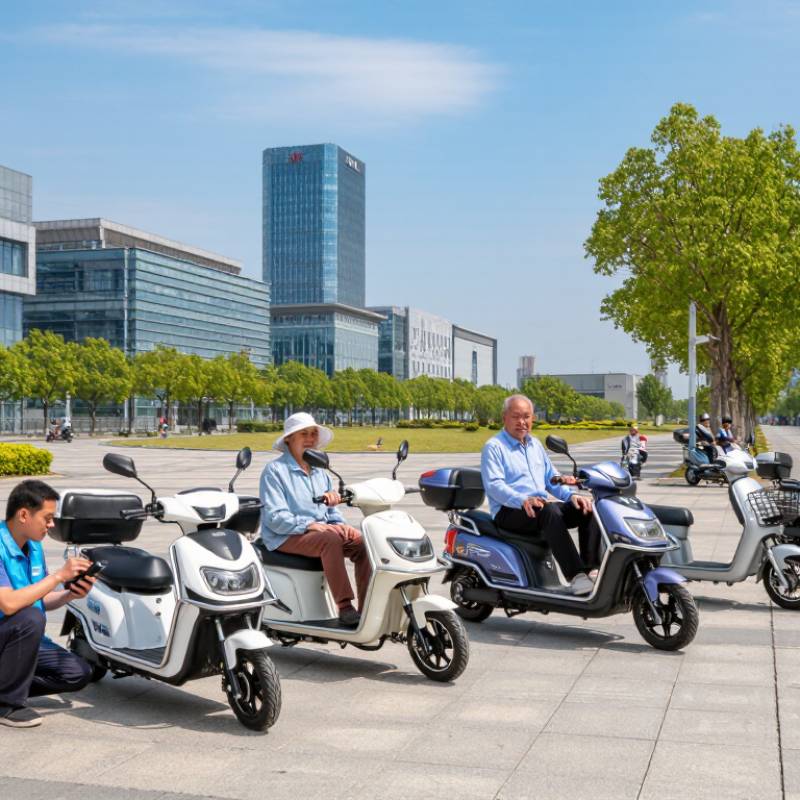
A three-wheel mobility scooter is a battery-powered personal mobility device with one front wheel and two rear wheels. It usually includes a molded seat, handlebars, foot platform, low-speed controls, and electromagnetic braking. Unlike a standard electric bicycle, it is designed mainly for seated travel, balance support, and short urban journeys. The boundary is not always clean. Some products resemble compact electric tricycles but serve different users and markets.

For a China-focused manufacturer review, the scope should include products built for older adults, people with limited mobility, and indoor or outdoor community travel. It should exclude cargo tricycles, children’s ride-on vehicles, and high-speed road vehicles. The World Health Organization and UNICEF reported in 2022 that more than 2.5 billion people need assistive products worldwide. This figure may reach 3.5 billion by 2050. China’s National Bureau of Statistics recorded 296.97 million residents aged 60 or above in 2023. These figures support strong demand, but they do not prove every scooter is suitable.

Evaluation should examine turning radius, seat adjustment, battery range, charging safety, braking response, and service access. The China Association of Automobile Manufacturers reported continued growth in new-energy mobility products, yet mobility scooters need separate assessment. Marketing descriptions can overstate range. Real performance changes with rider weight, slopes, temperature, and road surfaces. That is where manufacturer comparisons often need more careful testing.

Key Criteria for Ranking Chinese Mobility Scooter Manufacturers

China Top 10 3 Wheel Mobility Scooter Manufacturers

Key Criteria for Ranking Chinese Mobility Scooter Manufacturers

A credible ranking begins with factory evidence, not attractive product photos. During supplier evaluations, I examine production lines, welding quality, assembly records, and final inspection procedures. A reliable manufacturer should provide clear specifications for frame strength, motor output, braking distance, and battery capacity. Test reports must match the actual scooter, not an older model. Small details matter.

Engineering capability separates experienced manufacturers from simple assemblers. I look for controlled battery testing, stable charger performance, and protection against overheating. Adjustable seats, wider footrests, and responsive controls improve daily comfort. Manufacturers should also explain how they test scooters on slopes, uneven pavements, and repeated stop-start routes. Practical testing reveals weaknesses quickly.

After-sales support deserves equal weight. Clear warranty terms, replacement-part availability, service manuals, and response times indicate operational maturity. Factory audits can confirm whether these promises are realistic. Export experience helps, but it should not replace product quality. A low price may hide inconsistent components or limited technical support. That risk deserves attention.

No ranking is perfect. Data can become outdated, and a strong factory may have weak communication during one project. I would compare recent inspection records, customer feedback, delivery consistency, and customization accuracy before assigning positions. Transparent evidence should carry more weight than marketing language. Manufacturers that admit limitations often appear more trustworthy.

China Top 10 3 Wheel Mobility Scooter Manufacturers

Key Criteria for Ranking Chinese Mobility Scooter Manufacturers

This ranking framework uses a 100-point evaluation model. Product safety, battery performance, regulatory compliance, and build quality receive the highest weight because they have the greatest impact on user protection, daily reliability, and international market acceptance. The criteria are presented without company or brand data and can be used to compare manufacturers consistently.

Profiles of China’s Top 10 Three-Wheel Mobility Scooter Manufacturers

China Top 10 3 Wheel Mobility Scooter Manufacturers

Profiles of China’s Top 10 Three-Wheel Mobility Scooter Manufacturers

China’s leading three-wheel mobility scooter manufacturers serve a growing, practical market. Grand View Research estimates the global mobility scooters market could reach about USD 2.5 billion by 2030. Its forecast also indicates steady annual growth from 2024 onward. Demand is visible in factory details: wider rear axles, adjustable seats, sealed batteries, and low step-through frames.

The ten profiles represent different manufacturing strengths. Some focus on compact scooters for apartment corridors and vehicle trunks. Others build heavier models with pneumatic tires, electromagnetic brakes, and longer suspension travel. Several manufacturers offer 24V or 48V systems, though battery claims require careful testing. A printed range is not a real-world guarantee.

That distinction matters.

The World Health Organization reports that more than 1.3 billion people experience significant disability worldwide. Manufacturers therefore need more than attractive specifications. They should document load testing, braking distance, battery-cycle performance, charger protection, and quality-control procedures. ISO 9001 certification can support process consistency, while ISO 13485 may apply to certain medical-device activities, depending on the product and market.

Factory audits also reveal differences. Reliable suppliers provide traceable components, sample inspection records, spare-parts planning, and clear warranty terms. Some factories remain strong in welding but weaker in after-sales support. That is an uncomfortable weakness. Buyers should inspect both the scooter and the service system before accepting a ranking.

Product Features, Safety Standards, and Customization Options

China’s top 10 three-wheel mobility scooter manufacturers should be judged beyond appearance and factory scale. WHO’s Global Report on Health Equity for Persons with Disabilities estimates that 1.3 billion people experience significant disability worldwide. This creates demand for stable, practical, and serviceable mobility equipment.

A useful scooter should offer a low step-through frame, adjustable tiller, supportive seat, electromagnetic braking, and anti-tip wheels. Controls must remain readable in bright sunlight. The turning radius matters in narrow hallways.

Safety testing needs clearer evidence. Manufacturers should reference the ISO 7176 series and applicable Chinese standards, rather than using vague “certified” language.

Testing should cover braking distance, stability on slopes, electromagnetic compatibility, charger protection, battery management, and maximum-load performance.

China’s National Bureau of Statistics reported 296.97 million residents aged 60 or above in 2023, representing 21.1% of the population. That figure supports careful attention to balance, visibility, and caregiver usability.

A polished brochure is not proof. Request test records, inspection dates, and traceable component details.

Customization can include seat width, suspension strength, wheel size, control layouts, battery capacity, color, and folding mechanisms. However, larger batteries may increase weight and charging time. A faster scooter may also reduce control for inexperienced users.

I would question any supplier promising every feature without trade-offs. After-sales training, spare-part availability, and realistic warranty terms often reveal more than a showroom visit.

(Sources: WHO, Global Report on Health Equity for Persons with Disabilities, 2022; National Bureau of Statistics of China, 2023.)

Export Capability, After-Sales Support, and Buyer Selection Factors

China Top 10 3 Wheel Mobility Scooter Manufacturers

China’s leading three-wheel mobility scooter manufacturers compete on export readiness, service depth, and practical design. Grand View Research valued the global mobility scooter market at about USD 1.5 billion in 2023. Its forecast indicates steady growth through 2030. That demand rewards factories with stable production, not attractive catalogues alone.

Export capability should be tested through shipment records, multilingual manuals, and compliant technical files. Buyers should request battery transport documents, warranty terms, spare-parts lists, and response times. A certificate is not enough. Check whether the factory can support local inspections and changing import rules. UN Comtrade data can help compare national trade flows, but scooter classifications remain imperfect. This is an area where many rankings oversimplify the evidence.

After-sales support often separates reliable suppliers from temporary sellers. Ask for a twelve-month failure process, video diagnosis, replacement-controller availability, and technician training. A serious supplier should identify common faults, such as brake wear or loose steering assemblies. WHO projects that one in six people worldwide will be aged 60 or older by 2030. That trend increases the need for safe controls, clear displays, and accessible service channels. ISO 7176 test references can strengthen screening, yet buyers should verify the actual model, not a similar prototype. I would also inspect packaging photographs and interview two recent customers. It takes time. Still, one overlooked spare part can stop a shipment from serving users.

FAQS

What evidence should buyers request from a three-wheel mobility scooter manufacturer?

Request factory photos, production records, welding samples, and final inspection documents. Specifications should cover frame strength, motor output, braking distance, and battery capacity. Photos alone prove little.

How can buyers evaluate scooter safety?

Ask for braking-distance tests, load tests, and slope-testing records. Testing should include uneven pavements and repeated stop-start routes. Check whether reports match the current scooter model.

Why does battery testing matter?

Battery testing can reveal overheating, unstable charging, and reduced capacity. Ask for cycle-performance data and charger protection details. Printed range is not a guarantee.

Which design details affect daily comfort?

Adjustable seats, wider footrests, and responsive controls can improve regular use. Low step-through frames may help with mounting. A compact model should fit apartment corridors and vehicle trunks.

Should buyers choose pneumatic or solid tires?

Pneumatic tires may improve comfort on rough surfaces. Solid tires reduce puncture concerns but can feel firmer. The better choice depends on pavement conditions and maintenance preferences.

What after-sales support should a reliable supplier provide?

Look for clear warranty terms, service manuals, replacement parts, and response-time commitments. Spare-parts planning matters when a scooter needs a small component. Promises should be verified.

How can factory audits improve supplier selection?

Audits can confirm traceable components, inspection records, assembly practices, and service capacity. They may expose strong welding but weak communication. That weakness should affect the evaluation.

Is a low purchase price a reliable sign of good value?

Not always. Lower prices may reflect inconsistent components or limited technical support. Compare quality records, delivery consistency, customization accuracy, and warranty coverage.

Are certification claims enough to prove product quality?

No. Process certifications may support consistency, but they do not replace product testing. Buyers should inspect current reports and verify the tested scooter.

Can manufacturer rankings remain completely objective?

Probably not. Data becomes outdated, and one project may suffer from poor communication. Recent inspections and customer feedback should outweigh polished marketing language.

Conclusion

This article presents a practical overview of China’s 3-Wheel Mobility Scooters, covering their definition, typical applications, structural designs, and differences from other personal mobility products. It explains the main criteria used to evaluate manufacturers, including engineering capability, production quality, safety management, product range, customization services, certifications, delivery performance, and market experience. The ranking section introduces ten leading types of Chinese manufacturers without focusing on brand promotion, helping buyers understand how suppliers may differ in technology, manufacturing scale, and target markets.

The article also reviews important product features such as stability, comfort, battery performance, braking systems, lighting, control functions, and storage solutions. It discusses customization possibilities for dimensions, colors, configurations, packaging, and regional requirements, while emphasizing the importance of safety standards and reliable quality control. Finally, it examines export capability, documentation, spare-parts availability, warranty policies, technical support, and after-sales service. These factors provide buyers with a clear framework for comparing suppliers and selecting a suitable manufacturing partner according to product needs, destination-market regulations, budget, and long-term service expectations.

Clara

Clara

Clara is a dedicated marketing professional with a deep understanding of the company’s products, customers, and evolving market needs. With a strong combination of strategic thinking, industry knowledge, and clear communication skills, she regularly creates and updates the company’s professional......