Choosing among the 7 Best Folding Mobility Scooters for Global Buyers requires more than comparing prices and star ratings. Folding Mobility Scooters differ in folded size, battery range, seat support, turning radius, and real carrying weight. A model that fits one apartment may struggle in another. Doorways, elevator floors, airport security, and uneven sidewalks all matter.
This guide examines seven practical options through a buyer-focused lens. It considers folding mechanisms, battery charging, braking confidence, control layouts, and after-sales support. A scooter may fold quickly beside a car boot, yet still feel awkward when lifted. Another may offer impressive range but become uncomfortable after several hours. Those details are easy to miss in product photographs.
Specifications also deserve careful interpretation. Advertised range can change with rider weight, temperature, terrain, tire pressure, and speed. Manufacturer claims are useful, but they are not a personal promise. Local transport rules, airline policies, charging standards, warranty coverage, and replacement-part access should be checked before purchase. Availability can vary widely between countries.
No single scooter suits every traveler. That is the honest part. Some buyers may value a lightweight frame, while others need stronger suspension or a wider seat. The recommendations here aim to balance portability, safety, comfort, and long-term practicality. They should support informed comparison, not replace advice from a qualified mobility professional or a hands-on test. A short trial ride can reveal more than a polished specification sheet.
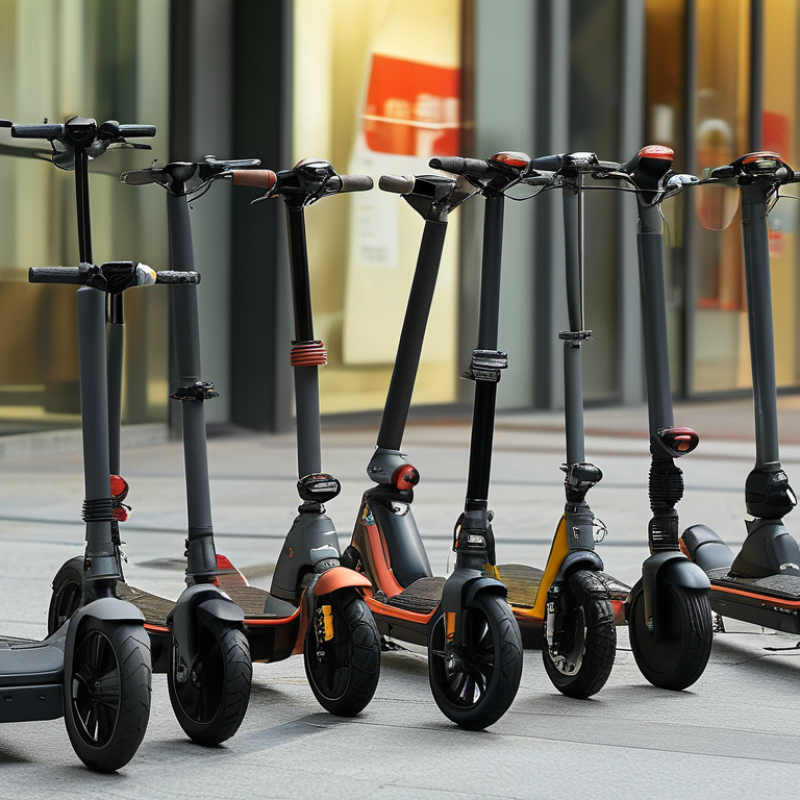
What Defines a Folding Mobility Scooter?
A folding mobility scooter is a battery-powered device designed for personal travel and easier storage. Its frame, steering column, or seat folds without requiring complete disassembly. The exact folding method varies widely. Some models fit beside a car seat, while others need a larger storage area. Compactness alone does not define quality.
A useful definition includes four practical features: stable movement, manageable weight, simple folding, and suitable travel range. A scooter may weigh 25 kilograms yet still feel awkward on stairs. A lighter model may fold quickly but offer less ground clearance. Check the folded dimensions carefully. Measure your vehicle’s boot, apartment doorway, and storage cupboard. Small details matter.
Safety also shapes the definition. Look for responsive brakes, visible controls, secure locking points, and a comfortable turning radius. Battery type and charging requirements deserve attention, especially for international buyers. Airline, rail, and shipping policies can differ by country and carrier. Never assume a folding scooter is automatically approved for every journey.
I once viewed folding speed as the main advantage; that was too narrow. A five-second fold means little if the handle strains your wrist or the folded frame rolls unpredictably. Weight distribution, user posture, and daily terrain may matter more. A careful test should include a curb ramp, a tight hallway, and several minutes of standing storage.
Key Features for Comparing Global Mobility Scooter Models
7 Best Folding Mobility Scooters for Global Buyers
Comparing folding mobility scooters begins with real travel conditions, not attractive brochures. The WHO and UNICEF Global Report on Assistive Technology estimates that more than 2.5 billion people need assistive products worldwide. That figure may exceed 3.5 billion by 2050. Compact mobility equipment must therefore serve airports, apartments, uneven sidewalks, and long-term daily use.
Check folded dimensions first. A scooter fitting beneath a car seat may still challenge narrow elevators. Compare total weight, removable battery weight, and lifting points. Weight matters. For frequent air travel, confirm battery specifications with the carrier and inspect transport instructions carefully. Range should be tested under realistic conditions, including rider weight, slopes, temperature, and repeated stops. Advertised distance often reflects ideal laboratory conditions.
Turning radius, ground clearance, braking response, and seat support deserve equal attention. A small turning circle helps inside shops, while stronger clearance reduces problems on cracked pavement. ISO 7176 testing standards provide useful references for stability, braking, and performance, but compliance does not replace a hands-on trial. I would also examine charging time, battery replacement access, weather protection, and local service availability. A clever folding hinge is useful, yet it can become a maintenance weakness. That detail is easy to overlook. The best comparison balances portability with dependable everyday control, not maximum specifications alone.
7 Best Folding Mobility Scooters for Global Buyers - Key Features for Comparing Global Mobility Scooter Models
| Model |
Folded Dimensions
(L × W × H) |
Scooter Weight |
Maximum User Weight |
Maximum Speed |
Advertised Range |
Battery Type |
Typical Charging Time |
Turning Radius |
Best Use Case |
| Model 1: Ultra-Compact Travel |
29 × 18 × 16 in
(74 × 46 × 41 cm) |
44 lb
(20 kg) |
265 lb
(120 kg) |
4 mph
(6.4 km/h) |
10 mi
(16 km) |
Lithium-ion, 24 V / 10 Ah |
4–6 hours |
Approx. 35 in
(89 cm) |
Air travel, public transport, and short indoor trips |
| Model 2: Lightweight Automatic-Fold |
31 × 20 × 17 in
(79 × 51 × 43 cm) |
51 lb
(23 kg) |
300 lb
(136 kg) |
4 mph
(6.4 km/h) |
12 mi
(19 km) |
Lithium-ion, 24 V / 12 Ah |
5–7 hours |
Approx. 36 in
(91 cm) |
Users who prioritize push-button folding and easy storage |
| Model 3: Extended-Range Commuter |
34 × 22 × 18 in
(86 × 56 × 46 cm) |
58 lb
(26 kg) |
300 lb
(136 kg) |
4 mph
(6.4 km/h) |
18 mi
(29 km) |
Lithium-ion, 24 V / 20 Ah |
6–8 hours |
Approx. 40 in
(102 cm) |
Shopping centers, hotel areas, and longer daily outings |
| Model 4: Heavy-Duty Folding |
36 × 24 × 19 in
(91 × 61 × 48 cm) |
67 lb
(30 kg) |
400 lb
(181 kg) |
4 mph
(6.4 km/h) |
15 mi
(24 km) |
Lithium-ion, 24 V / 20 Ah |
6–8 hours |
Approx. 43 in
(109 cm) |
Higher-capacity users who need a reinforced frame |
| Model 5: All-Terrain Folding |
38 × 25 × 20 in
(97 × 64 × 51 cm) |
72 lb
(33 kg) |
350 lb
(159 kg) |
5 mph
(8 km/h) |
16 mi
(26 km) |
Lithium-ion, 24 V / 20 Ah |
6–8 hours |
Approx. 45 in
(114 cm) |
Firm outdoor paths, parks, and uneven pavement |
| Model 6: Removable-Battery Travel |
32 × 21 × 17 in
(81 × 53 × 43 cm) |
55 lb
(25 kg) |
300 lb
(136 kg) |
4 mph
(6.4 km/h) |
15 mi
(24 km) |
Removable lithium-ion, 24 V / 15 Ah |
5–7 hours |
Approx. 38 in
(97 cm) |
Homes or vehicles where indoor battery charging is preferred |
| Model 7: Comfort-Focused Folding |
35 × 23 × 18 in
(89 × 58 × 46 cm) |
63 lb
(29 kg) |
350 lb
(159 kg) |
4 mph
(6.4 km/h) |
14 mi
(23 km) |
Lithium-ion, 24 V / 20 Ah |
6–8 hours |
Approx. 42 in
(107 cm) |
Daily use when seat width, suspension, and stability matter most |
Specifications are representative comparison figures for folding mobility scooter categories. Actual range, speed, charging time, and weight capacity may vary with battery configuration, user weight, terrain, temperature, tire pressure, and local safety regulations.
Seven Folding Mobility Scooters for International Buyers
Seven Folding Mobility Scooters for International Buyers
The seven best choices are different in purpose, not simply appearance. Consider an ultra-light travel scooter, a long-range folding scooter, and a compact car-boot model. Other useful types include a stability-focused scooter, a rough-surface model, a quick-fold design, and a modular option with a removable battery. The World Health Organization estimates that 1.3 billion people live with significant disability. This highlights the need for practical, dependable mobility equipment across markets. However, “lightweight” can mean smaller wheels, lower ground clearance, or reduced comfort. That trade-off deserves honest attention.
Check the folded size against aircraft, train, and vehicle limits. Battery rules differ by carrier and country. The IATA Dangerous Goods Regulations and UN 38.3 testing requirements are important references for lithium battery transport. Buyers should request clear battery documentation before purchase. Look for braking performance, seat support, turning radius, and service access. ISO 7176 testing standards can help compare safety and performance claims. Certification alone is not proof of perfect daily usability. A scooter may pass testing yet feel awkward on a narrow hotel ramp.
Tips: Measure doorways at home. Test the folded lifting weight. Confirm charging voltage and plug compatibility. Ask about spare parts in your destination country. A modest range may work better than a heavy battery. Do not ignore uneven pavement. That mistake is common.
7 Best Folding Mobility Scooters for Global Buyers
Comparison of maximum published travel range for seven representative folding mobility scooter configurations.
Travel range is shown in miles and reflects maximum figures commonly listed for lightweight folding scooters. Actual range may vary with rider weight, terrain, temperature, battery condition, and speed. International buyers should also verify local safety, battery-transport, and charging requirements.
Safety, Portability, and Travel Considerations
7 Best Folding Mobility Scooters for Global Buyers
Safety, portability, and travel needs should guide every folding mobility scooter choice. A compact frame is helpful, but it should not replace stability. Check the braking response, anti-tip wheels, seat belt, lighting, and tire grip. The scooter should remain steady on ramps, tiled floors, and uneven pavement. A useful test is simple: sit comfortably, turn slowly, and apply the brake gently. If the frame feels loose, reconsider it.
Weight matters during travel. Some folding models fit a car trunk, but lifting them can still strain your back. Measure the folded length, width, and height before buying. Also check the battery type, charging time, and approved transport requirements for airlines or rail services. Rules differ between countries and carriers. Never assume a battery will be accepted. I once underestimated trunk space; the folded scooter blocked other luggage. That small mistake was inconvenient and avoidable.
Tips: Practice folding the scooter several times before a trip. Keep the manual and charger together. Photograph the battery label and serial information. Choose a model with a clear control panel and adjustable speed. Test the scooter outdoors, not only inside a showroom. Weather protection also deserves attention, because light rain can affect controls. Specifications can look impressive, yet real handling may feel different. A local assessment by a qualified mobility specialist can reveal problems that online measurements miss.
How to Choose the Right Folding Mobility Scootercuntegn
Choosing the right folding mobility scooter starts with your daily routine, not its appearance.
Measure your car trunk, doorway, and storage area before comparing models. A scooter may fold neatly, yet remain too heavy for one person to lift. I learned this after focusing too much on folded size. Weight matters.
Check the frame, seat width, turning radius, and control layout carefully.
A stable four-wheel design can feel safer on uneven pavements, while a compact three-wheel design may turn more easily indoors. Test the tiller position with both hands. The controls should respond smoothly without forcing your wrists. Seat padding also matters during longer shopping trips. Small discomfort becomes a real problem later.
Battery range should match your normal routes, with extra capacity for hills, cold weather, and unexpected delays.
Ask about charging time, battery replacement, warranty coverage, and local servicing. These details often matter more than a higher advertised range. Consider transport rules before flying or crossing borders, because battery requirements can vary. A short test drive reveals weaknesses that product photos hide. Try folding the scooter yourself, placing it in your vehicle, and unfolding it without assistance. No scooter fits every buyer. Your best choice balances portability, comfort, stability, and dependable support.
FAQS
It is a battery-powered travel device with a folding frame, seat, or steering column. It stores without complete disassembly. Folding speed alone does not prove quality.
Measure the folded length, width, and height carefully. Compare those measurements with your trunk opening and available floor space. Leave room for other luggage.
Not always. A 25-kilogram scooter may still feel awkward on stairs. Check its weight distribution, carrying points, and folding movement. Try lifting it before buying.
Look for responsive brakes, secure locking points, visible controls, and anti-tip wheels. Seat belts, lights, and grippy tires can improve confidence. Test gently on a ramp or uneven pavement.
A four-wheel design may feel steadier on uneven outdoor surfaces. A three-wheel design often turns more easily in narrow hallways. Your daily routes should decide.
Match the range to your usual journeys, including hills and unexpected delays. Cold weather may reduce practical performance. Charging time and replacement options matter too.
Transport rules vary by country, carrier, and battery type. Confirm requirements before traveling. Never assume acceptance. Keep the manual and battery information nearby.
Fold and unfold the scooter without assistance. Place it in your vehicle, turn through a tight hallway, and brake slowly. Product photos hide handling problems. I once focused too much on compactness, and that judgment was incomplete.
Conclusion
Folding Mobility Scooters are designed to provide convenient personal transportation while being easier to store, carry, and transport than traditional mobility models. This guide explains what makes a scooter foldable, including its frame design, folding mechanism, weight, dimensions, battery system, and overall ease of handling. It also introduces seven practical options for international buyers by comparing important features such as driving range, charging time, maximum user weight, comfort, stability, controls, and suitability for different travel environments.
The article also highlights essential considerations for safety, portability, and travel, including secure folding, reliable braking, battery transportation requirements, weather protection, and accessibility during daily trips. Since users have different mobility needs, storage space, travel habits, and local regulations, the final section provides a clear framework for choosing the right Folding Mobility Scooters. By balancing performance, comfort, portability, durability, and after-sales support, buyers can make a more informed decision for independent and convenient mobility.