


Expert articles, maintenance guides, and technology updates on mobility scooters and power wheelchairs.
Discover tips for selecting folding scooters, travel wheelchairs, and OEM/ODM private label solutions.
Choosing the best OEM mobility scooter manufacturer in 2026 takes more than comparing prices or polished product photos. Buyers need to examine engineering depth, quality controls, customization options, and long-term parts support. A scooter may look impressive in a showroom, yet reveal weaknesses after months of daily use. A loose tiller joint, a hard-to-source controller, or a battery compartment that is awkward to reach can matter more than a glossy finish.
OEM Mobility Scooter Manufacturing combines product design, component sourcing, assembly, testing, and after-sales planning. Each step affects the finished scooter. Rehabilitation engineer Dr. Rory A. Cooper’s human-centered work offers a useful lens for this guide. The question it distills is: “Will this design support dependable everyday mobility?” This is an editorial framing, not a direct quotation from Dr. Cooper.
The manufacturers compared here are assessed through practical criteria: production capability, documented testing processes, model flexibility, communication, and service support. These details help distinguish a capable manufacturing partner from a supplier that simply promises customization. Small differences count. Can the factory adapt a seat, configure controls, or provide replacement parts consistently? Does it explain how a change affects cost and delivery time? Those answers deserve scrutiny.
No single factory will suit every brand or market. Some buyers may prioritize compact indoor models; others need stable outdoor scooters with longer-range configurations. Trade-offs remain, and supplier claims still need independent verification. This guide gives readers a grounded starting point for comparing OEM partners in 2026, while recognizing that a shortlist is only as reliable as the evidence behind it.
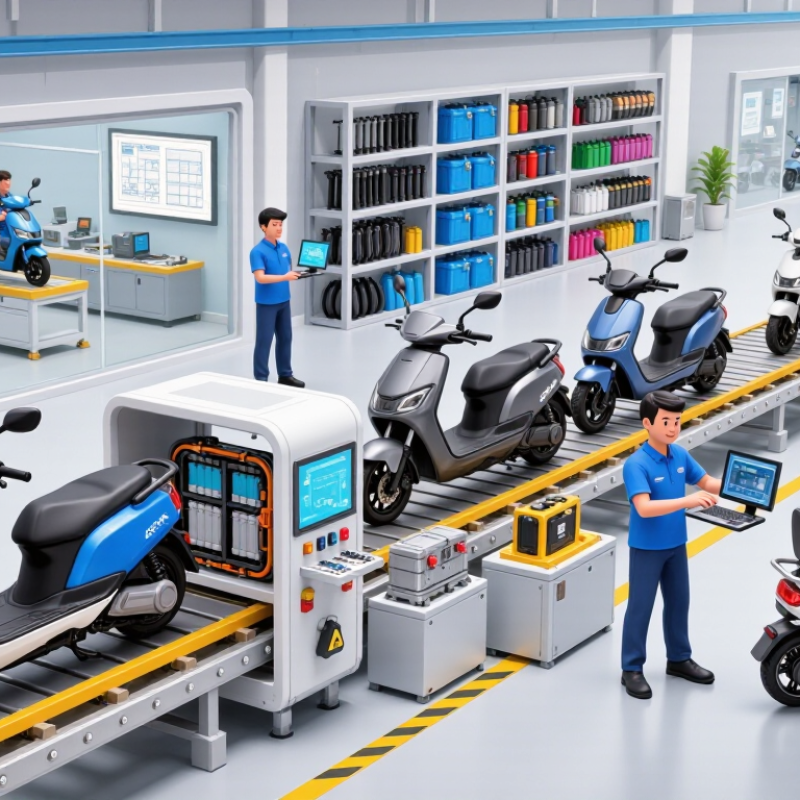
An OEM mobility scooter manufacturer does more than place a customer’s logo on a finished product. It can develop or adapt the scooter’s frame, controls, seating, and electrical system to meet a buyer’s defined requirements. That work should be visible in practical documents: approved drawings, component specifications, inspection records, and clear revision histories. A capable engineering team can explain how a change to wheel size or seat height affects stability, comfort, and overall dimensions.
Details matter. Ask how incoming batteries and controllers are checked, and how each production unit is tested before packing. Useful checks may include brake response, steering movement, wiring connections, and operation under load. A supplier should also explain which parts are made in-house and which come from qualified vendors. A polished catalog is not proof. Request sample records or a production sample, then compare them with the agreed specification.
OEM capability also includes steady communication after delivery. The manufacturer should have a process for handling defects, supplying replacement parts, and tracking product changes. Ask who owns the design files and what customization will actually change; a new color is not the same as a redesigned frame. Still, no factory is flawless. Look for honest answers, repeatable checks, and willingness to discuss limits, rather than promises of perfect quality.
OEM mobility scooter production begins with real use conditions, not styling. A buyer may need indoor turning, curb transitions, or a full workday outdoors. These needs shape the wheelbase, ground clearance, seat geometry, tiller reach, motor output, and battery capacity. Engineers translate them into drawings, material lists, and test targets. Small details matter. A seat that swivels smoothly can ease transfers, while an awkward charging port can frustrate daily use. Early prototypes expose such issues, but one successful sample does not prove consistent production.
Before scaling tooling and assembly, manufacturers verify stability, braking, controls, electrical protection, and durability. ISO 7176-2:2017 describes a method for assessing the dynamic stability of powered wheelchairs, including scooters. Test conditions should match the intended configuration. The WHO and UNICEF Global Report on Assistive Technology (2022) estimates that more than 2.5 billion people need one or more assistive products, while nearly 1 billion lack access. This is not a scooter-market forecast, but it underscores the value of dependable, serviceable design. Production checks can include battery-cell inspection, weld consistency, fastener torque, and final test records. There is room to improve. Supplier changes or rushed pilot runs can weaken a sound design, so traceability and field feedback should continue after shipment.
Use this table to assess OEM engineering and production capabilities. Requirements and performance vary by model and sales market; verify the applicable standards, test methods, and regulatory requirements for the finished product.
| Design or Production Area | Typical OEM Work | Practical Evaluation Checks | Relevant Verification or Reference |
|---|---|---|---|
| Requirements and configuration | Define the intended user, indoor or outdoor use, portability needs, controls, seating, accessories, target markets, and performance requirements before detailed design begins. | Request a written product specification, a configuration list, and a record of how requested changes affect tooling, testing, cost, and delivery. | Requirements should be checked against the intended use and the applicable regulations and standards in each market. |
| Chassis and stability | Design the frame, wheelbase, ground clearance, turning geometry, and component layout to suit the intended terrain, user loading, and transport configuration. | Review stability and handling test plans for the complete scooter configuration, including relevant seat, battery, and accessory options. | ISO 7176-1 covers determination of static stability; ISO 7176-2 covers dynamic stability for powered wheelchairs and scooters. |
| Dimensions and maneuverability | Set overall dimensions, mass, turning space, and transport or disassembly arrangements based on the design brief. | Confirm that published dimensions and mass are measured consistently and identify whether figures include batteries and removable parts. | ISO 7176-5 addresses determination of dimensions, mass, and maneuvering space. |
| Motor, braking, and controls | Integrate the drive motor, controller, throttle or other user controls, braking system, wiring, and protective functions as a coordinated system. | Check braking performance, control behavior, fault handling, wiring protection, and test results for the production-intent configuration. | ISO 7176-3 covers determination of effectiveness of brakes; ISO 7176-14 addresses power and control systems for electrically powered wheelchairs and scooters. |
| Battery and charging | Select a compatible battery chemistry, capacity, charger, connectors, and battery-management approach. The chosen setup affects charging, mass, range, and transport requirements. | Verify battery and charger compatibility, charging instructions, protection features, and transport documentation for the specific battery type. | UN 38.3 testing requirements apply to lithium cells and batteries for transport. IEC 62133-2 is a safety standard for portable sealed secondary lithium cells and batteries; confirm its applicability to the product and market. |
| Range and energy use | Estimate and test energy consumption using the intended battery, motor, controller, tires, load, and operating conditions. | Ask how range was measured and whether the test conditions, battery state, load, speed, terrain, and temperature are disclosed. Range is not a fixed value across all conditions. | ISO 7176-4 specifies methods for determining theoretical distance range for electrically powered wheelchairs and scooters. |
| Seat and user contact points | Develop the seat, armrests, tiller adjustment, foot platform, and accessible controls to match the intended user and product configuration. | Check adjustment ranges, secure attachment, user instructions, and whether optional seating changes have been considered in stability and strength testing. | Assessment should cover the complete device and intended configuration; applicable product and market requirements may add further checks. |
| Prototype and design validation | Build prototypes to evaluate fit, assembly, handling, electrical integration, and usability before the design is released for production. | Request documented test plans, results, identified failures, corrective actions, and evidence that design changes were re-tested where needed. | ISO 7176-8 covers requirements and test methods for static, impact, and fatigue strengths of wheelchairs, including powered models. |
| Electromagnetic compatibility | Assess whether the scooter’s electrical and electronic systems operate reliably in the presence of electromagnetic disturbances and limit unwanted emissions. | Confirm that EMC testing covers the finished electrical configuration, including relevant cables, controls, charger, and accessories. | ISO 7176-21 addresses electromagnetic compatibility requirements and test methods for powered wheelchairs and scooters. |
| Production quality control | Establish incoming-material checks, controlled assembly instructions, in-process inspections, finished-product testing, and traceability procedures. | Review inspection records, calibration controls, nonconformance handling, change control, and how serial or batch records link to production checks. | Quality-system certifications can support supplier evaluation, but they do not replace product-specific testing or market approval. |
| Pilot run and mass production | Use a pilot run to confirm that production tooling, assembly steps, packaging, and inspection methods can consistently reproduce the approved design. | Ask for defined acceptance criteria, a change-approval process, and a plan for handling component substitutions without losing validated performance. | Compare pilot and production units against the approved specification and applicable verification plan. |
| Market and documentation readiness | Prepare market-specific labels, user instructions, technical records, packaging, and any required conformity documentation for the intended sales regions. | Identify the responsible party for regulatory review and confirm that model variants, batteries, chargers, and accessories are covered by the documentation. | Applicable requirements depend on the destination market, product classification, and final configuration; verify current local rules before sale. |
When evaluating OEM mobility scooter manufacturers in 2026, look beyond a polished catalogue. Check whether the engineering team can explain frame materials, load limits, turning radius, and battery options in plain terms. Ask for test records covering braking, stability, repeated folding, and performance on uneven pavement. A confident answer is useful; documented results are better.
Tips: Request a sample unit and inspect welds, wiring protection, seat adjustment, and control labels. Compare quoted range with test conditions, rider load, terrain, and temperature. Ask how replacement parts are identified and supplied. Small details matter.
Production consistency deserves equal attention. Ask how incoming components are checked, how defects are recorded, and whether design changes are communicated before an order ships. Review manuals, inspection forms, and packaging plans, not just product photos. I would not pretend a scorecard captures every concern; a scooter can look solid in a sample and feel different across a production run. If possible, have a qualified technician assess the unit and keep written answers for later comparison. Clear specifications and traceable quality checks make supplier claims easier to evaluate.
When comparing leading OEM mobility scooter manufacturers, look beyond the quoted unit price. Ask how each supplier checks frame welds, steering play, braking performance, and battery range under a defined rider load. Request test records for the exact configuration, not a generic product sheet. Small details matter: seat adjustment, controller access, tire replacement, and carton dimensions. Ask for sample lead times and monthly production capacity. A polished showroom sample is useful, but it cannot prove consistent production. Not even close.
Compare engineering support and customization limits before discussing tooling. Can the manufacturer adjust seating, controls, or storage without disrupting service access? Ask who maintains drawings and firmware revisions, and how design changes are recorded. Confirm which safety documents apply to your intended sales markets, then check that they match the model being quoted. During a pilot order, record assembly time, packaging damage, and any loose fittings after delivery. One awkward point: buyers sometimes request too many custom features at once. That can complicate parts supply and make repairs harder, even when the first sample looks excellent. Request a parts list and written warranty terms for review.
2026 Best OEM Mobility Scooter Manufacturers?
How to Choose an OEM Partner for Your Market
Choosing an OEM partner starts with understanding how people will use the scooter. A model designed for smooth indoor floors may struggle on uneven pavements. Share realistic details: rider weight range, typical trip length, storage needs, and local road conditions. Ask for test results under comparable loads, not just catalogue range. Test it loaded. Check seat width, turning space, control reach, and battery removal yourself where possible. Small fit problems can become daily frustrations.
Tips: Request a sample and inspect welds, wiring, brakes, and finish. Confirm spare-parts availability, repair guidance, warranty terms, and production lead times in writing. Ask how quality checks are recorded for each shipment. A polished sample can still hide inconsistent production. No checklist removes every risk.
Before agreeing to custom colours or features, clarify minimum order quantities and the cost of later changes. Discuss packaging and shipping damage procedures, too. A practical partner should explain trade-offs plainly, including what cannot be customized. Compare responses, not just prices. One detail is easy to overlook: service capacity after delivery. A low quote may look attractive, but slow access to common parts can leave customers waiting. Pilot orders help reveal gaps, though they cannot predict every market issue.
Older-adult population share by market (2023)
A higher share of older adults may indicate a larger potential user base, but it does not prove demand or determine OEM suitability. Validate local regulations, purchasing power, distribution needs, and product requirements before choosing a partner. Values are rounded percentages of total population; source: World Bank, Population ages 65 and above.
It may develop or adapt the frame, controls, seat, and electrical system to match agreed requirements. A new color alone is limited customization.
Request approved drawings, component specifications, inspection records, and revision histories. Keep written answers for comparison.
Ask for records on braking, steering, wiring, stability, and operation under load. Repeated folding tests may also matter.
Inspect welds, protected wiring, seat adjustment, and readable control labels. Look closely.
Compare the quoted range with its test conditions, including rider load, terrain, and temperature. Numbers need context.
Ask which parts are made in-house and which come from qualified vendors. Also ask how incoming batteries and controllers are checked.
No. A sample can look solid, while later units may differ. Review defect records and change notices too.
Ask how defects are handled, replacement parts are supplied, and product changes are tracked. A clear process matters.
Confirm file ownership and request specific details about each change. A scorecard can miss things.
This article explains what distinguishes an OEM mobility scooter manufacturer: the ability to develop products around a buyer’s specifications, production needs, and target market. It outlines how OEM Mobility Scooter Manufacturing typically moves from design requirements and component selection to prototyping, testing, production, and quality checks. Understanding each stage helps businesses assess whether a potential partner can support both product customization and consistent manufacturing.
The article also presents practical criteria for comparing manufacturers in 2026, including engineering capabilities, production capacity, quality processes, communication, customization options, and after-sales support. Rather than relying on a name alone, buyers can compare prospective partners by asking clear questions about timelines, specifications, and ongoing service. The final section offers a structured approach to choosing an OEM partner whose capabilities, working practices, and product plans align with the needs of the intended market.